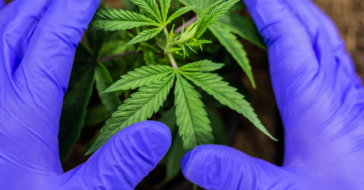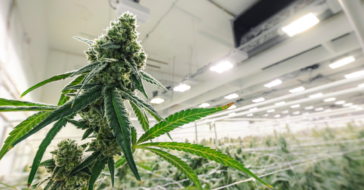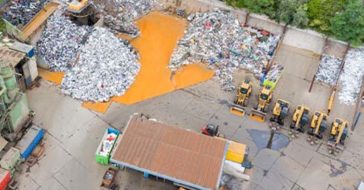
As the cannabis industry continues to expand, farmers must prioritize proper waste disposal to ensure compliance with regulations, protect the environment and maintain efficient operations.
Farming cannabis generates various types of waste, including plant material, packaging and chemical byproducts, all of which require responsible disposal. Failure to follow proper disposal methods can result in legal penalties, some of which may be so severe that it could put a cannabis farming company out of business.
If you are a cannabis farmer, it’s critical to ensure you follow these three key disposal steps:
- Classify and separate waste properly.
- Render waste unusable and document it.
- Work with a certified cannabis disposal waste company.
Classify and Separate Waste Properly

Proper disposal begins with identifying and categorizing the different types of waste generated during cannabis cultivation. Not all waste is the same, and understanding these classifications is important.
Here are just a few of the types of cannabis waste found in farming operations:
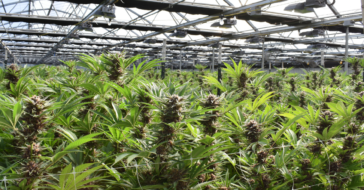
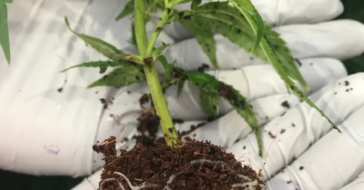
- Organic Waste: Includes stems, leaves, roots and other plant materials that can be composted or otherwise processed to minimize environmental impact.
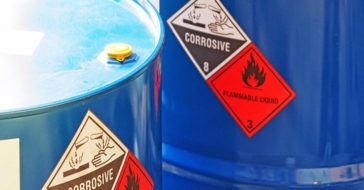
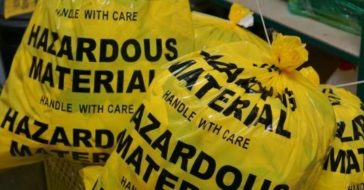
- Hazardous Waste: Includes pesticides, fertilizers and chemical residues that require special handling to prevent contamination of soil and water sources.
- Non-Hazardous Solid Waste: Includes general packaging, used gloves and other non-contaminated materials that may be disposed of through standard waste management procedures.
- Regulated Waste: Includes cannabis plant materials that contain THC and must be rendered unusable before disposal per regulatory requirements.
By separating these waste streams from the start, farmers can ensure compliance with local and state laws while optimizing recycling and sustainability efforts. Once waste is properly separated, it’s important to ensure you have the right cannabis waste storage processes in place.
In addition to categorizing your waste correctly, you must:
- Properly package and label your waste using the correct materials
- Ensure that the waste is secured
- Keep accurate records (more on that below)
- Train your employees about proper storage procedures
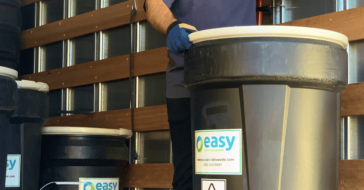
Storage areas should be locked and restricted, while other precautions like surveillance cameras, security personnel and alarm systems can ward off unscrupulous individuals. You can read more about how to create a secure storage area in our article, What Your Proper Cannabis Waste Storage Should Look Like.
Render Waste Unusable and Document It

One of the most common regulatory requirements is that cannabis waste must be rendered unusable and unrecognizable. This is to help prevent unused cannabis products from ending up in the wrong hands.
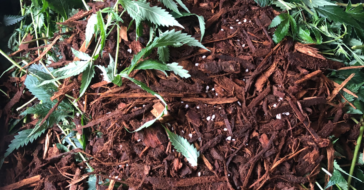
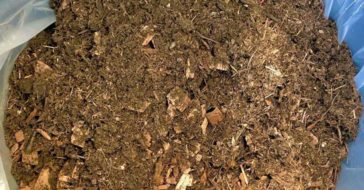
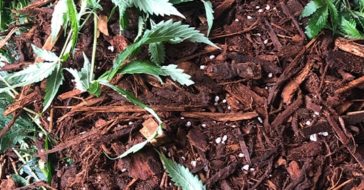
One of the common ways you can do this is to mix cannabis waste with non-consumable materials like soil, food waste or sawdust) to make it non-recoverable before disposal.
Farmers must also document how and when they dispose of cannabis waste, including the amount and method used, to maintain compliance with regulatory bodies. Keeping detailed records is key to avoiding fines and penalties, including a license revocation.
Because farmers often have employees who help them with maintaining their fields and equipment, it’s important to establish a clear waste disposal protocol that aligns with local laws and update it regularly as regulations evolve. Regular training with your employees can help to ensure that they follow these protocols regularly.
Work With a Certified Cannabis Waste Disposal Company
Given the strict regulations surrounding cannabis waste disposal, many farms choose to work with specialized disposal companies to ensure compliance. When selecting a cannabis waste disposal provider, consider the following factors:
- Licensing and Certification: Ensure the company is properly licensed in your state to handle and dispose of cannabis waste legally.
- Compliance Expertise: A reputable disposal provider should be well-versed in local, state and federal cannabis waste regulations to help you stay compliant.
- Secure Tracking and Documentation: The company should provide detailed records of waste collection, transport and disposal to satisfy regulatory requirements.
- Proper Disposal Methods: Verify that the company follows approved methods for rendering waste unusable and disposing of it safely.
Maintaining a legally sound and efficient operation can help to ensure your farming business remains compliant. By classifying and separating waste correctly, staying compliant with regulations, and partnering with a certified waste disposal company, you can ensure responsible waste management. As the California cannabis industry evolves, proactive waste disposal practices will remain a key factor in its long-term success.