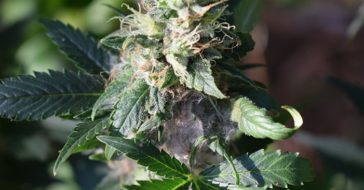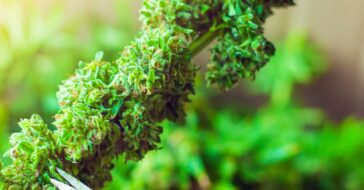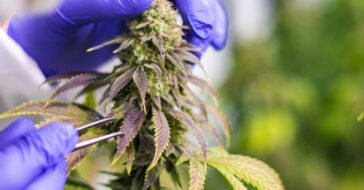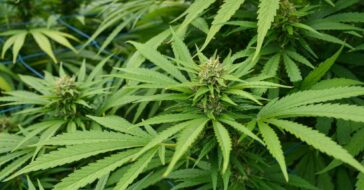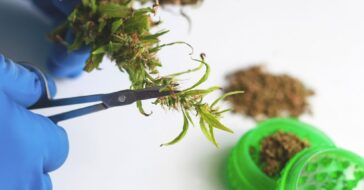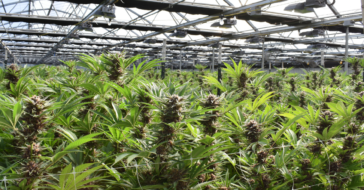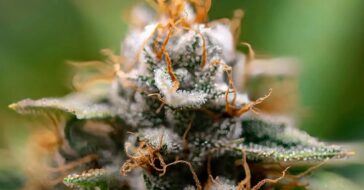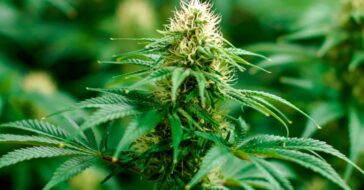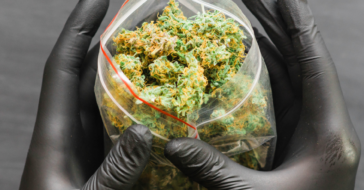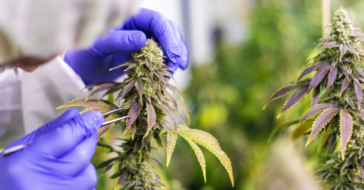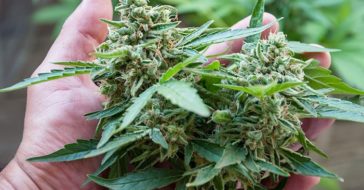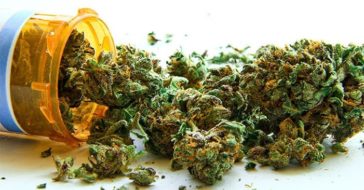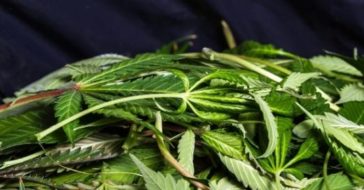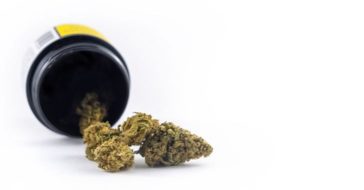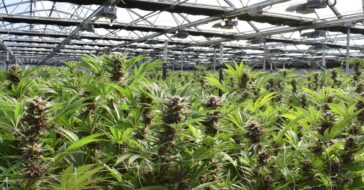
Harvesting cannabis is a crucial stage when plants are cut, trimmed and processed to yield the parts most valuable for medicinal, recreational or industrial uses.
This process includes carefully removing flowers and leaves, drying, curing and then storing or packaging the final product. But beyond producing the sought-after buds, harvesting also involves generating various byproducts and waste materials that need careful handling.
As cannabis cultivation has grown, so have environmental regulations, particularly around waste management. To ensure sustainable practices and comply with local laws, cannabis producers must consider how to manage waste responsibly.
Here are five main types of waste commonly generated during the cannabis harvesting process, each with unique disposal requirements and environmental considerations:
- Plant waste
- Soil and growth mediums
- Chemical waste
- Packaging waste
- Water waste
Plant Waste
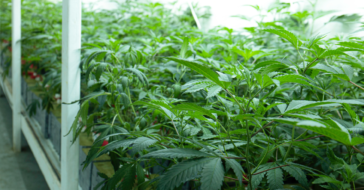
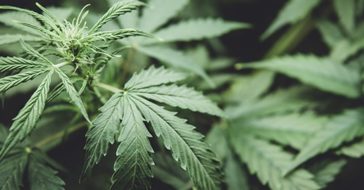
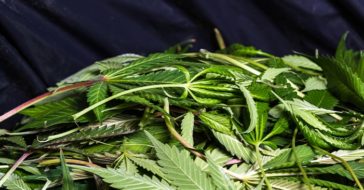
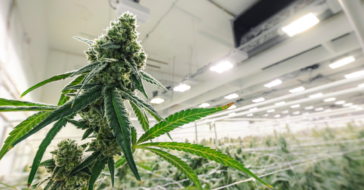
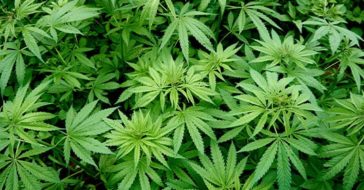
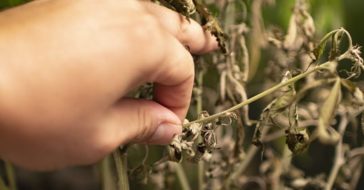
The bulk of cannabis harvesting waste comes from the plant itself. After the buds and leaves are harvested, what remains are stalks, stems, roots and other plant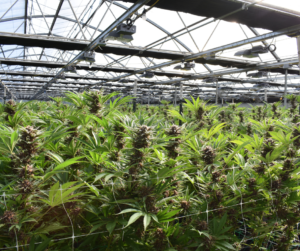 matter that aren’t usable in the final product.
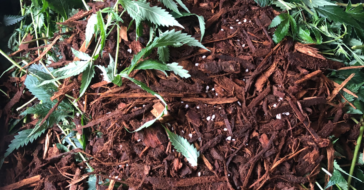
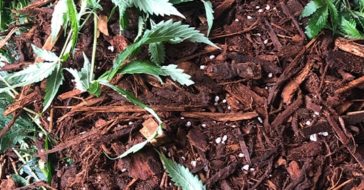
This waste must often be handled carefully to comply with local regulations. In many areas, cannabis plant waste must be rendered “unusable” before disposal, which typically involves mixing it with non-consumable waste, such as soil, cardboard or compost materials.
This approach prevents plant waste from being reused or mishandled while also providing a way to return organic matter to the environment if composted.
Soil and Growth Mediums
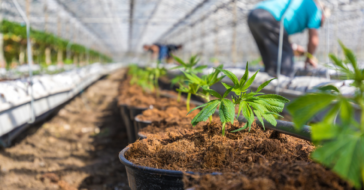
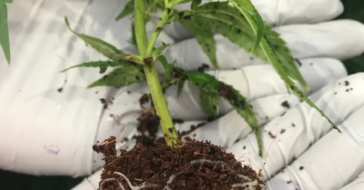
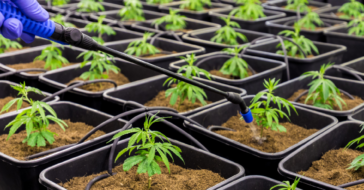
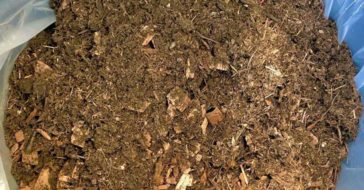
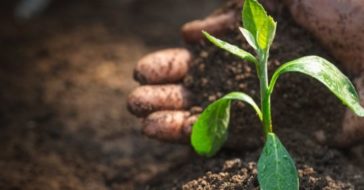
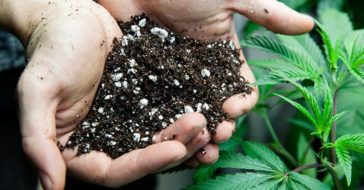
For soil-grown cannabis, soil and other growth mediums like coco coir or peat moss can accumulate over time as they are replaced between crops. These materials may contain residual nutrients or pesticides, requiring special disposal to avoid contaminating the surrounding land or water.
Some cultivators opt for sterilization and reuse, but disposal is often necessary for heavily contaminated mediums. Proper treatment of these materials, particularly if they’ve been exposed to synthetic fertilizers or pesticides, is essential to prevent environmental impact.
Chemical Waste
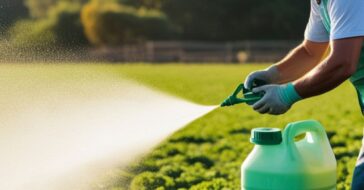
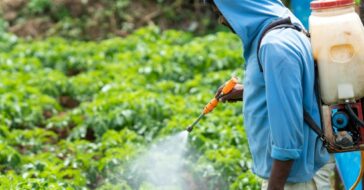
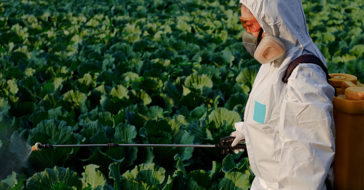
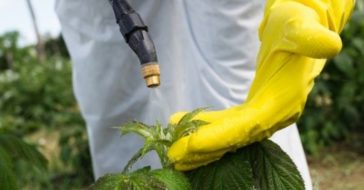
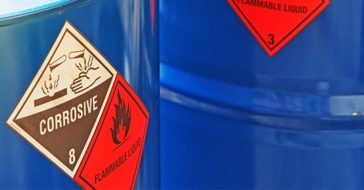
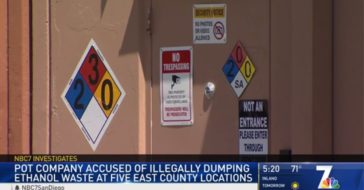
Cannabis cultivation commonly involves fertilizers, pesticides and other chemical inputs to promote healthy growth and prevent pests. After harvesting, there may be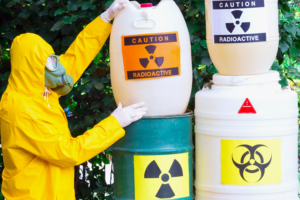 leftover chemicals that cannot be disposed of as regular waste.
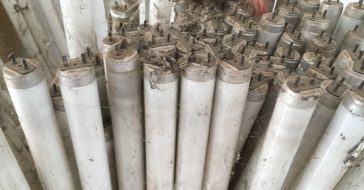
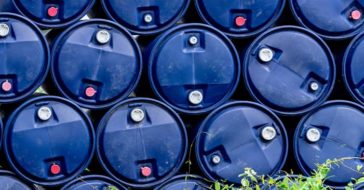
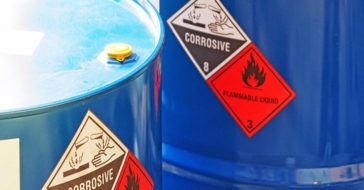
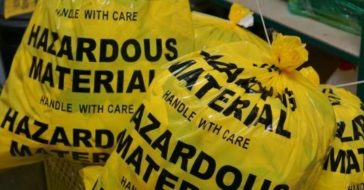
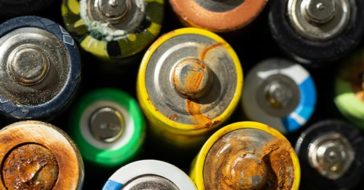
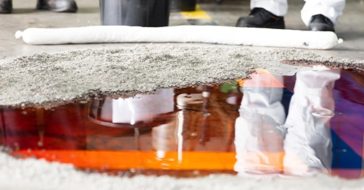
Chemical waste includes containers, residual solutions and any contaminated equipment. Proper disposal of these substances is crucial, since improper handling can harm local ecosystems, contaminate water sources and pose a risk to workers.
Packaging Waste
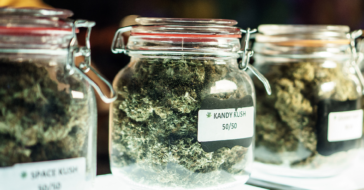
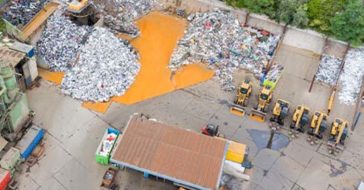
Packaging waste accumulates quickly in cannabis harvesting, as harvested cannabis must be stored, labeled, and transported. This includes plastic bags, containers, and often single-use packaging used to ensure that cannabis remains fresh and secure.
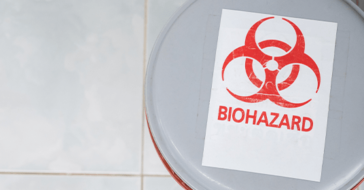
Because much of this packaging is not biodegradable and some may be considered medical or hazardous waste depending on its contents, cultivators are encouraged to recycle when possible or work with companies that specialize in cannabis waste packaging disposal.
Reducing the amount of plastic packaging used and opting for eco-friendly alternatives is an emerging trend in the industry as well.
Water Waste
Water waste is a significant byproduct of cannabis cultivation because plants require a high volume of water throughout their growth cycle.
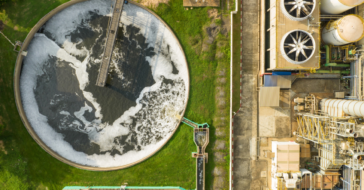
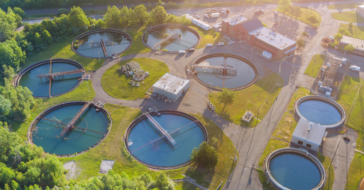
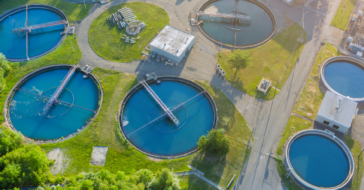
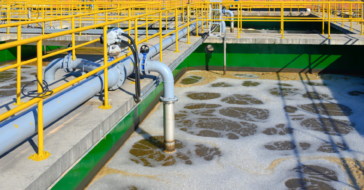
After harvesting, waste water may contain nutrients, salts and chemical residues that need treatment before being released into the environment. In regions with strict environmental laws, wastewater from cannabis facilities must undergo treatment to remove contaminants.
Some cannabis operations are adopting water recycling systems to minimize waste and comply with regulations, while others invest in proper drainage and treatment systems to prevent environmental harm.
The Role of a Cannabis Waste Provider
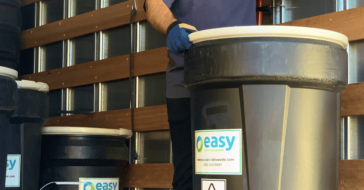
Partnering with a specialized cannabis waste provider can help you manage the diverse types of waste generated during your harvesting process.
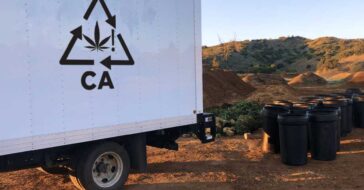
Cannabis waste disposal companies are well-versed in both the environmental regulations and specific cannabis waste disposal requirements in California for each waste type, helping cultivators ensure compliance while focusing on their primary operations. From plant material to chemical residues, a qualified waste provider will guide you through the safest and most responsible disposal methods, avoiding the risk of fines and legal issues.
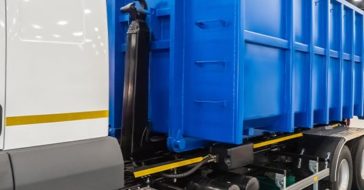
A cannabis waste provider can offer services like waste pickup, rendering plant waste unusable, proper disposal of chemical and water waste, and recycling or sustainable disposal of packaging materials. By handling complex logistics, including proper documentation and tracking, they allow cultivators to keep up with changing regulations and best practices without added strain on resources.
Working with an experienced cannabis waste provider helps streamline waste management, ensures regulatory compliance, and supports environmental sustainability, making it a valuable partnership for any cannabis business.