On the federal level, cannabis is illegal.
The federal government classifies cannabis as a Schedule 1 drug. This means that the drug is considered to have a high potential for abuse and no accepted medical use. This classification applies across the United States, regardless of state laws that have legalized cannabis for medical or recreational use.
However, many states have legalized the use of cannabis or marijuana either recreationally or medicinally. Let’s take a closer look at some of the most impactful federal cannabis laws in place, as well as how federal regulations involving the use of cannabis could soon change.
Impactful Federal Cannabis Laws
Federal laws around cannabis primarily focus on maintaining its illegal status nationwide, which influences a range of policies, enforcement practices and regulatory approaches.
The Controlled Substances Act (CSA), enacted in 1970, is the primary federal law governing drugs in the U.S. It classifies cannabis as a Schedule I drug, placing it alongside substances like heroin. Schedule I classification indicates that cannabis is considered to have a high potential for abuse and no accepted medical use. Under the CSA, growing, distributing or possessing cannabis is illegal, regardless of state laws that have legalized it for medical or recreational purposes.
The Rohrabacher-Farr Amendment (medical marijuana) is a provision that prohibits the Department of Justice (DOJ) from using federal funds to interfere with state medical marijuana programs. This means the federal government cannot prosecute individuals or businesses operating in compliance with state medical cannabis laws. This amendment is temporary and must be renewed annually through the federal budget process. The most recent approval of the provision only went through Sept. 30, 2024.
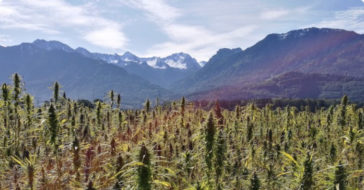
The 2018 Farm Bill (hemp legalization) stemmed from the Agriculture Improvement Act of 2018, also known as the Farm Bill. This bill removed hemp (cannabis containing less than 0.3% THC) from the list of controlled substances, effectively legalizing it at the federal level.
Hemp can be cultivated and sold across state lines, leading to an expansion in hemp-derived products like CBD. However, products containing more than 0.3% THC are still considered illegal under federal law.
Federal Cannabis Laws Are Evolving
Federal laws surrounding cannabis are gradually evolving as growing public support and state-level legalization efforts prompt lawmakers to reconsider its classification and regulatory framework, leading to proposals aimed at decriminalization and establishing a legal market.
The SAFE Banking Act is one of the most recent examples of this. Because cannabis is illegal at the federal level, most banks, especially those with FDIC insurance, are wary of providing services to cannabis businesses, as they could face penalties for facilitating transactions related to an illegal substance.
To address this, the proposed SAFE Banking Act would offer legal protections to financial institutions that work with state-licensed cannabis businesses, though this legislation has not yet passed.
At the federal level, the U.S. Justice Department has proposed changing pot from a far more serious Schedule I drug to a Schedule III substance. This followed a recommendation from the U.S. Health and Human Services Department and would ease restrictions, though marijuana would not yet be considered a legal substance for recreational use at the federal level.
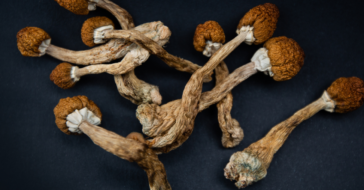
Even within California, cannabis laws are evolving. While the governor vetoed Senate Bill 58 (shroom legalization), he indicated that changes to state laws governing plant-based hallucinogens could still be possible.
Local And State Laws To Consider As A Cannabis Business
In addition to federal cannabis laws, it’s important for cannabis businesses to be aware of local and state laws as well.
For example, in California, there is no single law that dictates where a business can and can’t operate. While marijuana is legal for medicinal and recreational use in California, local governments have the power to dictate whether a cannabis company can do business there. In fact, fewer than 50% of cities and counties in the state allow at least one type of cannabis business.
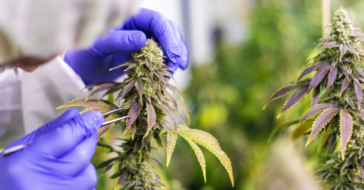
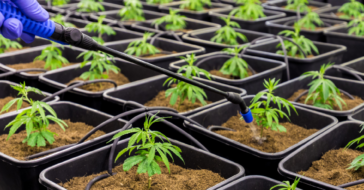
California also has track and trace requirements that incorporate “seed to sale” reporting. All state-issued cannabis licensees must use the California Cannabis Track-and-Trace (CCTT) to record and track information related to their inventory. The CCTT incorporates specialized software and databases that keep track of several key areas that may impact your business, including:
- Cultivation
- Harvest and processing
- Distribution
- Transportation
- Sales and retail
- Reporting and compliance
- Recalls and safety
- Waste removal
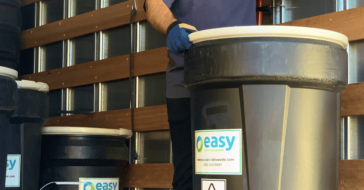
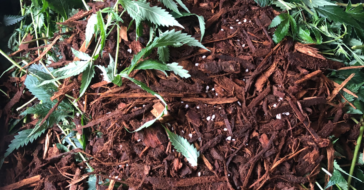
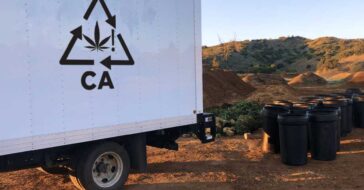
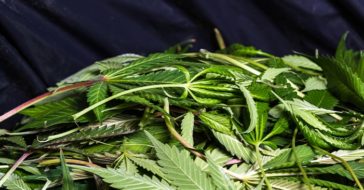
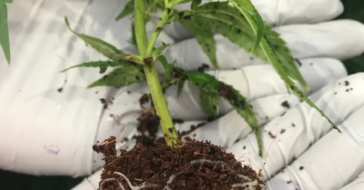
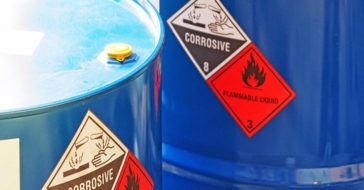
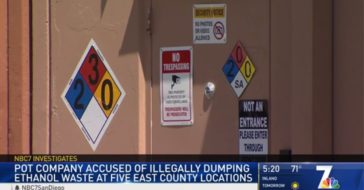
States typically have laws that require businesses to separate their cannabis waste as well. There are multiple waste streams that come from cannabis production, from plant waste (leaves, stems and roots) to contaminated soil. There’s also manufacturing waste, waste water, packaging waste, laboratory waste, electronic waste and office waste.
Another important law is the requirement to render your marijuana or cannabis waste as unusable and unrecognizable. In California, in certain circumstances (like cannabis waste comes in contact with an amount of THC), a product or type of waste must be irreversibly altered in a way that prevents its use for illicit purposes.
As federal and state cannabis laws continue to evolve in response to changing public attitudes and regulations, cannabis businesses must remain vigilant in navigating both federal and local legal landscapes to ensure compliance and sustainability in this dynamic industry.