The cannabis industry has expanded rapidly in recent years, fueled by growing demand for medical and recreational products. From oils and tinctures to vape cartridges and edibles, today’s market relies heavily on cannabis extraction to transform raw plant material into versatile, concentrated products.
While extraction unlocks opportunities for innovation and profit, it also comes with responsibilities – particularly when it comes to compliance and safe waste management.
Let’s take a closer look at what cannabis extraction involves and key insights business owners need to know to operate responsibly and successfully.
What Is Cannabis Extraction?
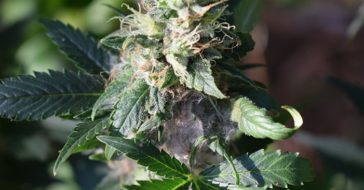
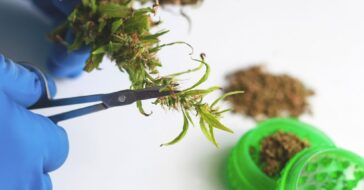
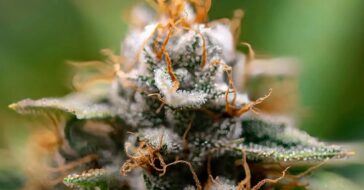
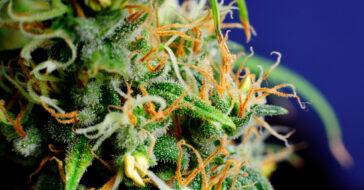
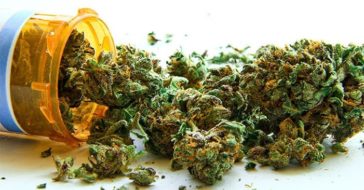
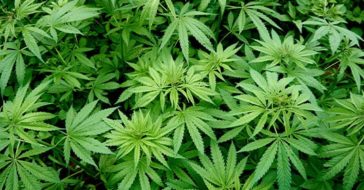
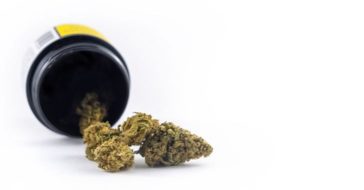
Cannabis extraction is the process of isolating valuable compounds from the cannabis plant, primarily cannabinoids like THC and CBD, along with aromatic terpenes. These compounds are concentrated into forms that can be infused into a wide range of consumer products.
There are several extraction methods, each suited to different applications and scales of production:
Solvent-Based Extraction
- Hydrocarbon Extraction (Butane, Propane, or BHO): Hydrocarbons are used to dissolve cannabinoids and terpenes, producing concentrates like shatter, wax and live resin. This method preserves flavor but requires strict safety controls due to flammability.
- Ethanol Extraction: Popular for tinctures and large-scale oil production, ethanol extraction involves dissolving cannabinoids efficiently, though it can also pull unwanted plant compounds like chlorophyll, requiring further refinement.
- CO₂ Extraction: Pressurized carbon dioxide separates cannabinoids and terpenes without leaving harmful residues. It’s often chosen for medical and wellness products due to its “clean” profile.
Solventless Extraction
- Rosin Pressing: This process uses heat and pressure to squeeze resinous oils directly from flower or hash.
- Ice Water Hash Extraction: This extraction process relies on cold water and agitation to separate trichomes from plant material.
Mechanical Separation
- Mechanical separation focuses on physically removing trichomes, the resin glands rich in cannabinoids and terpenes, without using chemical solvents.
Each method has unique advantages, costs and compliance considerations. For instance, hydrocarbon systems can create high-quality products but require significant investment in safety infrastructure, while solventless methods are simpler but may yield smaller volumes.
What Business Owners Need to Know
For entrepreneurs and operators in the cannabis industry, extraction isn’t only a production step. It’s also a critical business decision with financial, regulatory and safety implications. Here are some key factors to keep in mind:
Compliance and Safety Standards

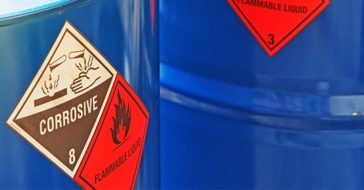
Extraction often involves volatile solvents, high pressure or high heat. Business owners must ensure their facilities meet fire codes, OSHA regulations and state-specific cannabis waste disposal guidelines. This includes investing in proper ventilation, explosion-proof equipment and ongoing staff training.
Non-compliance can result in fines, shutdowns, or even safety incidents that put employees and the community at risk.
Choosing the Right Method
Your extraction method should align with your business goals and target market. For example:
- Medical markets often favor CO₂ extraction due to its purity.
- Recreational markets may demand flavorful hydrocarbon concentrates like live resin.
- Smaller operations may opt for rosin pressing, which requires less infrastructure.
Understanding both the upfront costs and long-term scalability of each method is essential before committing to equipment and facility design.
Managing Byproducts and Waste
Extraction generates many types of waste that must be properly managed. These waste types include:
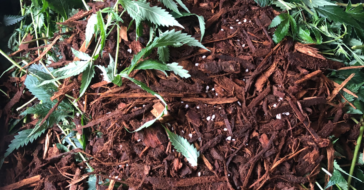
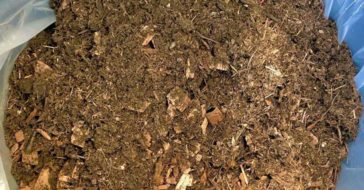
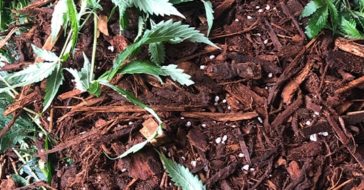
- Residual plant matter after extraction
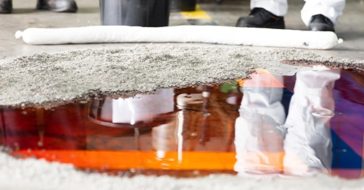
- Solvent-contaminated materials such as filters, wipes or absorbents
- Expired or off-spec products that must be destroyed
- Cannabis packaging that could be contaminated
Cannabis businesses are responsible for waste “from seed to disposal,” meaning accountability doesn’t end when a product leaves your facility.
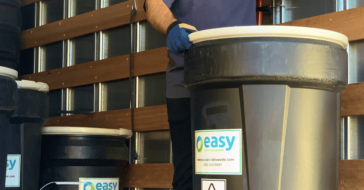
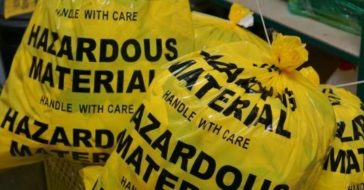
Partnering with licensed cannabis waste disposal companies ensures that all byproducts are handled safely, legally and sustainably. This not only reduces your compliance risk but also demonstrates to regulators and customers that your business prioritizes responsibility.
Protecting Your Brand
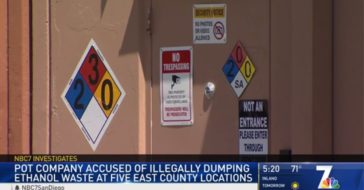
In today’s competitive cannabis market, reputation matters. A single safety incident, compliance violation or news story about improper disposal can damage consumer trust and set your business back significantly. Proactive investment in safe extraction practices and proper waste management reinforces your brand as reliable and professional.
The Sustainability Factor
Consumers and regulators alike are paying closer attention to the environmental footprint of cannabis production. Extraction processes can use large amounts of energy, water and solvents, making waste reduction strategies increasingly important. Options such as solvent reclamation and recycling, combined with professional cannabis waste disposal services, can help lower environmental impact while improving operational efficiency.
The Bottom Line
Cannabis extraction is the backbone of many products driving today’s industry. From choosing the right extraction method to ensuring compliance with safety and environmental regulations, the decisions you make will shape your long-term success.
Above all, don’t overlook proper disposal. Partnering with a trusted cannabis waste disposal company allows you to focus on growth while ensuring your operation remains safe, compliant and sustainable.
As the cannabis industry continues to mature, the businesses that thrive will be those that balance innovation with responsibility. By taking extraction seriously, both in production and in waste management, you’ll be better positioned to grow your brand and meet the evolving demands of this dynamic market.