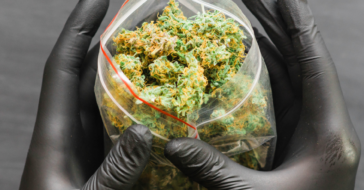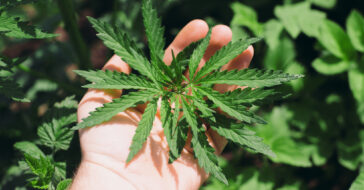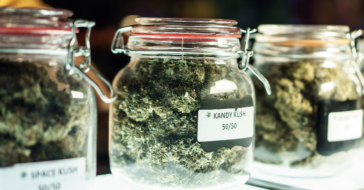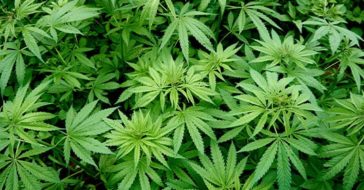
California has become almost synonymous with cannabis innovation, and at the heart of that story are cannabinoids, the compounds that give cannabis its wide-ranging effects.
From THC and CBD to emerging minor cannabinoids, these natural chemicals are changing how everyday consumers in California approach wellness, recreation and lifestyle choices.
But what exactly are cannabinoids, how are they being used in California, and what should businesses keep in mind about handling them responsibly?
What Are Cannabinoids?
Cannabinoids are chemical compounds found in the cannabis plant that interact with the body’s endocannabinoid system (ECS). The ECS plays a role in regulating mood, sleep, appetite, pain, memory and immune function.
There are over 100 different cannabinoids identified so far, but the most well-known are:
- THC (tetrahydrocannabinol): The compound responsible for cannabis’s psychoactive “high.” THC is also used for pain relief, relaxation and stimulating appetite.
- CBD (cannabidiol): A non-intoxicating compound often associated with stress relief, inflammation reduction and promoting calm without altering perception.
- Minor cannabinoids: Compounds like CBN, CBG and CBC are gaining attention for potential therapeutic benefits, from sleep support to antibacterial properties.
In addition to plant-based cannabinoids (phytocannabinoids), our bodies naturally produce similar compounds called endocannabinoids. These help maintain balance – or homeostasis – in day-to-day functions. When we consume cannabis, plant cannabinoids interact with these same systems, amplifying or supplementing their effects.
How California Consumers Use Cannabinoids
California has long been a leader in cannabis culture and innovation. From pioneering medical cannabis in 1996 to launching the largest legal recreational market in the U.S. in 2018, the state has shaped how people access and use cannabinoids.
Health and Wellness
Many Californians turn to cannabinoids for everyday wellness needs. CBD products, in particular, have entered mainstream markets, showing up in grocery stores, wellness boutiques and even skincare lines. Popular uses include:
- Managing stress and anxiety
- Improving sleep quality
- Reducing inflammation or soreness after workouts
- Supporting overall relaxation
Meanwhile, THC-based products remain a common option for medical cannabis patients who rely on them for pain management, nausea relief, and appetite stimulation.
Recreational Enjoyment
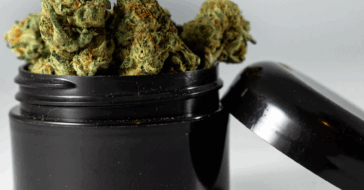
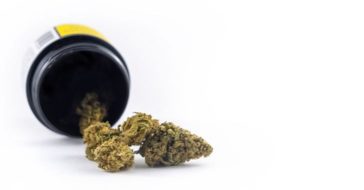
California’s cannabis culture thrives on innovation, and recreational products are a huge part of that. Beyond traditional flower, consumers can choose from edibles, beverages, vapes, tinctures and topicals – all designed to deliver cannabinoids in different ways.
This diversity of options makes cannabis more approachable. Someone who doesn’t want to smoke might prefer a THC-infused sparkling beverage, while another consumer may choose a CBD lotion for sore muscles.
Lifestyle Integration
In California, cannabinoids aren’t just for medical or recreational use. They’re woven into lifestyle choices. Cannabis cafes, infused dining experiences and wellness retreats incorporate cannabinoids into social and cultural spaces. This normalization reflects a broader acceptance of cannabis as part of daily life.
Innovation in Products
California’s competitive cannabis market drives rapid product development. Minor cannabinoids like CBG and CBN are appearing in gummies, tinctures and capsules, marketed for focus, sleep or relaxation. This reflects consumers’ interest in exploring beyond THC and CBD to tailor experiences to specific needs.
What This Means for Everyday Consumers
For the average Californian, cannabinoids represent more than just cannabis use. They symbolize choice. Whether someone is looking for pain relief, relaxation or a recreational experience, the state offers a wide array of products.
That said, education is crucial. Not all cannabinoids have been studied in depth, and effects can vary based on dosage, delivery method and individual biology.
A Note for Businesses: Handling Cannabis and Cannabinoid Waste
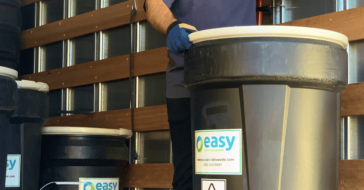
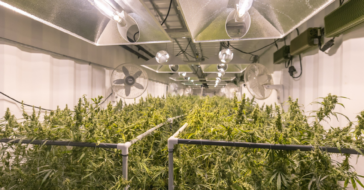
Behind every cannabis product on a California shelf lies a business responsible for producing, packaging and distributing it. While cannabinoids drive consumer demand, they also create unique responsibilities for businesses, especially when it comes to cannabis waste disposal management.
Cannabis waste isn’t just leftover flower or expired edibles. It can include:
- Unused or returned products containing THC, CBD or other cannabinoids
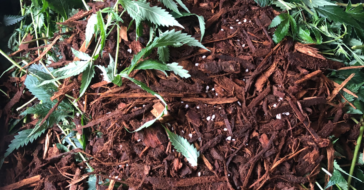
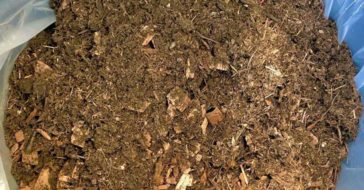
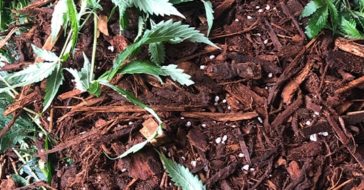
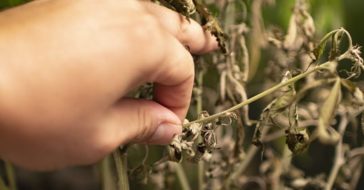
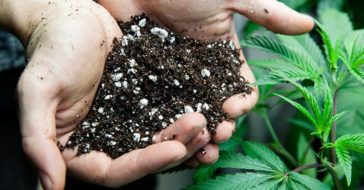
- Contaminated soil, plant material or extraction byproducts
- Packaging with cannabinoid residue
- Testing samples or defective batches
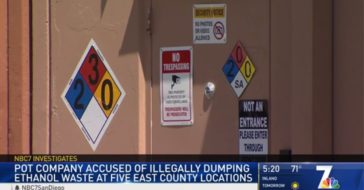
California law requires cannabis businesses to handle waste responsibly, ensuring it cannot be diverted back into the market or harm the environment. Mishandling cannabis waste can result in fines, license suspension, or legal issues.
Proper disposal also aligns with broader environmental goals. Cannabinoid-rich materials and chemical byproducts from extraction must be treated carefully to prevent contamination of soil and water systems.
Key Considerations for Businesses
- Know the Regulations: Stay updated on California cannabis waste rules, including tracking and documentation requirements.
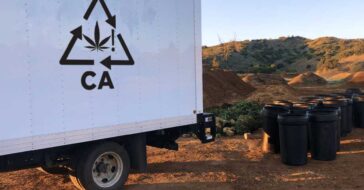
- Work with Licensed Partners: Only approved waste management providers can legally transport and dispose of cannabis waste.
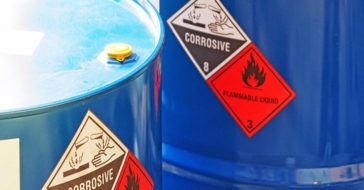
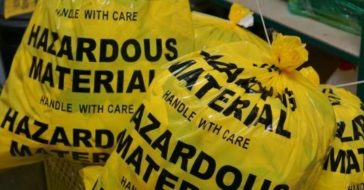
- Separate Hazardous and Non-Hazardous Waste: Some byproducts, especially solvents from extraction processes, fall under hazardous waste regulations and require specialized handling.
- Prioritize Sustainability: Consider working with waste partners that offer environmentally friendly solutions, such as solvent reclamation or recycling packaging materials.
California cannabinoids are shaping how people think about health, wellness and recreation. For businesses, however, cannabinoids also bring responsibility. Proper handling of cannabis is part of building a sustainable, trustworthy industry.
As California continues to lead the way in cannabis innovation, one thing remains clear: cannabinoids are here to stay, and how we use and manage them will define the future of cannabis both within the state and beyond.