California’s cannabis industry has come a long way since voters approved cannabis legalization, but with that legalization comes the need for oversight.
Businesses working in cultivation, manufacturing, distribution and retail must navigate strict regulations to maintain their licenses. At the same time, the state faces the ongoing challenge of curbing the illicit market, which continues to thrive despite legalization.
To balance these priorities, California’s Department of Cannabis Control (DCC) operates two distinct but complementary divisions: Compliance and Enforcement. Understanding the difference between these divisions – and how each impacts licensed operators – is key for any cannabis business that wants to succeed in this tightly regulated space.
What the Compliance Division Does
The DCC’s Compliance Division is essentially the “coaching arm” of cannabis regulation. Its primary responsibility is helping licensed businesses understand and follow the rules. This division focuses on education, monitoring and corrective action rather than punishment.
Some of its main functions include:
- Inspections and Complaint Investigations: Compliance officers conduct routine visits to licensed facilities to verify that operations align with state regulations. They also follow up on complaints submitted by consumers, employees, or other stakeholders.
- Assisting Licensees: The Compliance Division works directly with operators to address potential issues, offering guidance on how to achieve compliance before small problems escalate into major violations.
- Product Oversight: The division plays a key role in handling cannabis and cannabis products that fail laboratory testing. This includes ensuring proper remediation or overseeing the destruction of unsafe products.
- Consumer Recalls: In the event that a product poses risks to public health or safety, the Compliance Division coordinates recalls and makes sure products are properly removed from the supply chain.
- Track-and-Trace Administration: The division manages the state’s Cannabis Track-and-Trace system (often referred to as “seed-to-sale”), which monitors the movement of cannabis throughout the supply chain to prevent diversion to the illicit market.
While compliance officers do have authority to escalate issues, their initial focus is on helping licensees avoid costly penalties. If a business repeatedly ignores guidance or fails to correct violations, the division may recommend administrative fines or disciplinary action in collaboration with the DCC’s Legal Affairs Division.
What the Enforcement Division Does
In contrast, the Enforcement Division takes on a much tougher role: cracking down on unlicensed or illegal activity. This division acts as the “policing arm” of the cannabis industry, with the primary mission of protecting the legal market and public safety.
Its responsibilities include:
- Investigating Illicit Activity: Enforcement teams look into unlicensed cultivation sites, illegal manufacturing operations, and unauthorized retail dispensaries.
- Protecting Consumers: Illicit operators often skip required testing and safety standards, exposing consumers to contaminated products. Enforcement helps reduce these risks by removing illegal products from circulation.
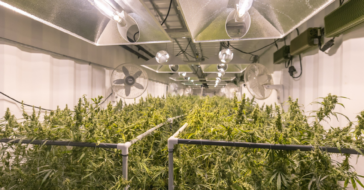
- Supporting Environmental Protection: Many illegal grow sites damage California’s natural resources, using banned pesticides or diverting water supplies. The Enforcement Division works to shut down these harmful operations.
- Partnerships with Other Agencies: The division collaborates with local police, county regulators, state agencies, and even federal authorities to tackle unlicensed cannabis activity. This teamwork is essential, since illicit operations often cross jurisdictional boundaries.
Unlike the Compliance Division, which is largely proactive and cooperative, Enforcement is more reactive and adversarial. When a business is operating without a license – or blatantly ignoring the law – enforcement officers step in to investigate and pursue legal consequences.
Why the Distinction Matters for Licensed Businesses
For legitimate cannabis businesses, the difference between compliance and enforcement is more than just a technical detail. It can be the difference between staying operational or facing steep penalties.
Licensed operators are most likely to interact with the Compliance Division, especially during inspections, audits or product recalls. By cooperating with compliance officers and taking corrective steps when needed, businesses can avoid bigger issues.
However, those who cut corners, ignore violations, or operate outside of the licensed system risk escalating their problems to the Enforcement Division. At that stage, the consequences are much more severe and may include criminal charges, license revocation, and significant fines.
In other words, compliance is about building trust with regulators, while enforcement comes into play when that trust is broken – or when operators try to skirt the system entirely.
The Role of Compliance and Enforcement in Waste Management
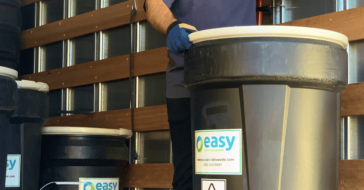
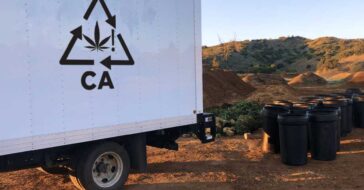
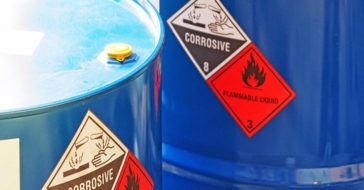
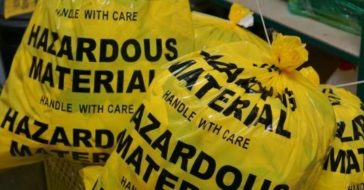
Cannabis waste is a perfect example of how these divisions work together. Businesses must follow strict rules for handling and destroying cannabis waste, including failed lab batches, expired products, or recalled items.
- Compliance Division’s Role: Compliance officers may oversee the remediation or destruction process to ensure products are rendered unusable and properly recorded in the Track-and-Trace system. They may also provide guidance on acceptable waste disposal requirements.
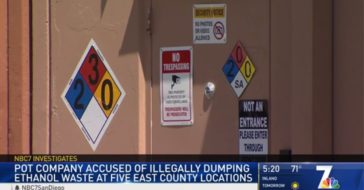
- Enforcement Division’s Role: If businesses attempt to bypass these requirements – such as dumping cannabis waste illegally or selling failed products to the illicit market – Enforcement can step in to investigate and pursue action.
This collaboration underscores the importance of working with a licensed cannabis waste disposal company. Proper documentation, secure handling, and regulatory knowledge not only keep businesses compliant but also reduce the risk of triggering enforcement action.
The Bigger Picture: Compliance and Enforcement as a Balancing Act
California’s cannabis market is still young, and maintaining its integrity requires a balance of support and accountability. Too much enforcement without guidance could discourage legitimate operators and stifle industry growth. Too much leniency without enforcement could allow the illicit market to flourish unchecked.
By dividing its oversight into Compliance and Enforcement, the DCC aims to strike that balance. Licensed businesses get the education and support they need to thrive, while illegal operators face the consequences of skirting the system.
For cannabis companies, the takeaway is clear: lean into compliance. By prioritizing transparency, cooperation and adherence to the rules, businesses not only protect themselves from enforcement but also help strengthen California’s legal cannabis market as a whole.