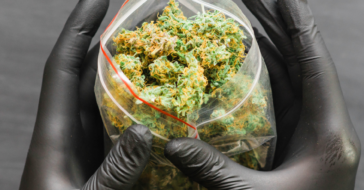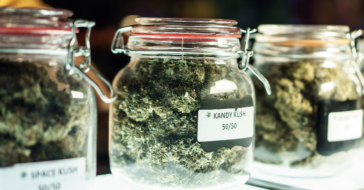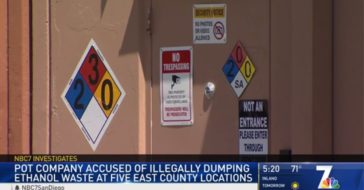
For cannabis manufacturers, waste disposal is not just an operational concern — it’s a regulatory obligation. From failed lab tests and expired products to contamination from pesticides, mold, or improper handling, contaminated cannabis waste is an unavoidable reality of manufacturing at scale. How that waste is managed can have significant implications for compliance, environmental responsibility, and business continuity.
Understanding what qualifies as contaminated cannabis waste and how to dispose of it properly is essential for manufacturers operating in regulated markets.
What Is Considered Contaminated Cannabis Waste?
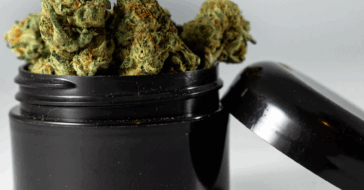
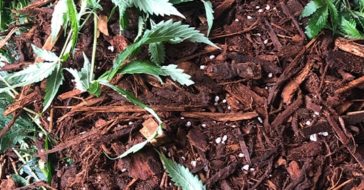
Contaminated cannabis waste includes any cannabis material or infused product that cannot legally be sold due to safety or compliance issues. This may include:
- Flower or biomass that fails laboratory testing
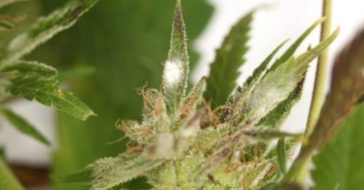
- Products contaminated with pesticides, mold, or heavy metals
- Incorrectly formulated or mislabeled products
- Expired or recalled edibles, concentrates, or tinctures
- Cannabis exposed to improper storage conditions
- Cross-contaminated materials from processing equipment
In most jurisdictions, once cannabis is deemed contaminated, it must be removed from inventory and handled according to strict disposal requirements.
Common Sources of Contamination in Manufacturing
Manufacturing environments introduce unique contamination risks beyond cultivation. Common causes include:
- Inconsistent potency or dosing during production
- Equipment sanitation failures
- Improper storage or temperature control
- Packaging errors
- Ingredient contamination in infused products
- Residual solvents or processing byproducts
Because manufacturers often handle large volumes of finished or nearly finished goods, contamination can result in substantial financial losses if not managed properly.
Regulatory Expectations for Cannabis Waste Disposal
Cannabis waste disposal regulations vary by state, but most share common requirements. These often include:
- Rendering cannabis waste unusable and unrecognizable
- Preventing diversion into the illicit market
- Maintaining detailed chain-of-custody records
- Using approved destruction methods
- Retaining certificates of destruction for audits
Failure to follow disposal regulations can lead to fines, license suspension, or revocation. For manufacturers, regulatory scrutiny is often heightened due to the scale and complexity of operations.
Methods for Disposing of Contaminated Cannabis Waste
Several disposal methods may be permitted, depending on jurisdiction and the nature of the waste.
Physical Destruction
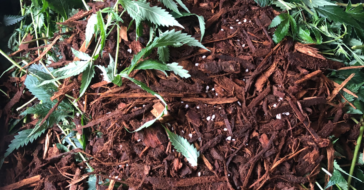
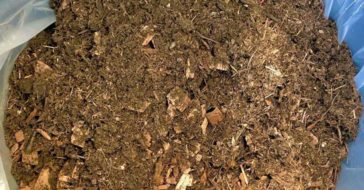
Grinding, shredding, or mixing cannabis with non-consumable materials is a common method to render it unusable. This is often followed by landfill disposal, where allowed.
Thermal Destruction
Incineration may be required for certain contaminated materials, particularly those involving chemical or pesticide contamination.
Chemical Neutralization or Treatment
In limited cases, specific treatment processes may be allowed to neutralize contaminants, though many products are still required to be destroyed afterward.
Third-Party Licensed Disposal
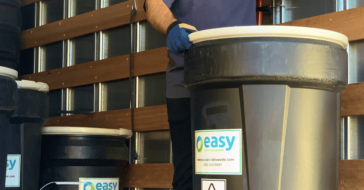
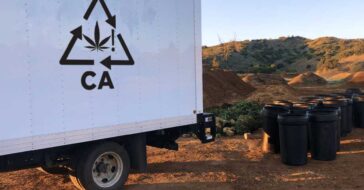
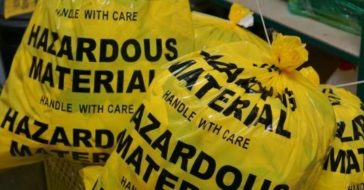
Most manufacturers rely on licensed cannabis waste disposal providers to manage destruction safely, securely, and compliantly.
Why In-House Disposal Often Falls Short
While some manufacturers attempt to manage waste internally, this approach can introduce risks. In-house disposal requires:
- Specialized equipment
- Trained staff
- Secure transport protocols
- Ongoing regulatory updates
- Detailed documentation
Any misstep — whether procedural or administrative — can result in non-compliance. Outsourcing to a licensed waste management provider reduces this risk and allows manufacturers to focus on production rather than disposal logistics.
The Role of Licensed Cannabis Waste Disposal Companies
Licensed disposal providers specialize in handling contaminated cannabis waste. Their cannabis environmental services typically include:
- Secure collection and transportation
- Regulator-approved destruction methods
- Documentation and tracking
- Certificates of destruction
- Audit and inspection support
By working with an experienced partner, cannabis manufacturers gain confidence that contaminated products are handled responsibly and in accordance with all applicable laws.
Environmental Considerations and Sustainability
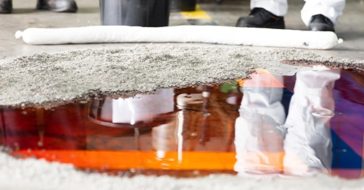
Contaminated cannabis waste can pose environmental risks if disposed of improperly, especially when pesticides, solvents, or heavy metals are involved. Responsible waste management minimizes these risks and supports broader sustainability goals.
Some disposal providers offer environmentally conscious options where allowed, such as:
- Energy recovery
- Controlled composting for non-contaminated materials
- Solvent recovery for applicable waste streams
Manufacturers increasingly view waste disposal not just as a compliance issue, but as part of their environmental responsibility.
Building a Contaminated Waste Disposal Plan
Proactive planning is essential. Cannabis manufacturers should establish clear protocols for:
- Identifying and segregating contaminated waste
- Documenting failed tests or recalls
- Coordinating timely disposal
- Training staff on compliance procedures
- Partnering with licensed disposal providers
A documented disposal plan helps ensure swift action when contamination occurs and demonstrates compliance during regulatory inspections.
Protecting Your License and Your Business
In the cannabis industry, contaminated waste is unavoidable — but non-compliant disposal is not. Manufacturers that treat waste management as a critical component of operations are better equipped to navigate regulatory challenges, protect consumer safety, and maintain business continuity.
By partnering with a licensed cannabis waste disposal company, manufacturers can ensure that contaminated waste is destroyed securely, documented properly, and managed responsibly from start to finish.