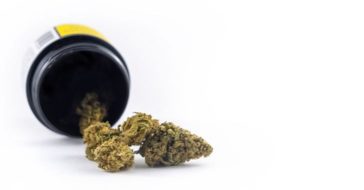
Law enforcement agencies are making significant strides in combating the illegal cannabis market, making it more important than ever to ensure you’re following the law when it comes to cannabis production.
Among the most recent headlines in cannabis news is the seizing and destroying of more than $254 million in unlicensed cannabis and products during 2024. Earlier this year, California Gov. Gavin Newsom announced the enforcement efforts of the Unified Cannabis Enforcement Task Force (UCETF), which focuses its efforts on illegal cultivation, retail and delivery services to ensure consumer safety.
No matter what role you play in cannabis production, it’s important to ensure all of your operations comply with the law. Here’s a look at what 2024 held in store for those who didn’t comply, and what you can do to ensure you don’t end up among these violators.
Key Highlights From Cannabis Enforcement Actions
Efforts to curb activity in the illegal cannabis market resulted in significant activity across the supply chain. Some of the key highlights, according to the Department of Cannabis Control, included:
- 2.2 million pieces of illegal packaging removed
- 154,000 pounds of illegal cannabis seized
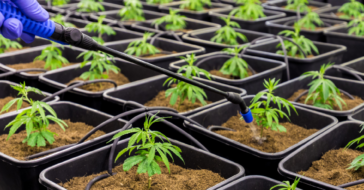
- 236,000 illegal cannabis plants eradicated
- 39 firearms confiscated
- $748,146 seized
- 35 arrests made
The top five counties for UCETF enforcement activity were Alameda, Mendocino, Shasta, Kern and Los Angeles. Since its inception in 2022, the agency has seized nearly $600 million in unlicensed cannabis and eradicated 583,000 plants.
Ensuring Compliance in the Cannabis Industry

As regulators ramp up enforcement, businesses must take compliance seriously to avoid legal trouble. While licensing and tax regulations are a significant part of staying compliant, another often-overlooked area is proper cannabis waste disposal.
Cannabis operations—from cultivation and manufacturing to retail—generate a variety of waste materials that must be handled properly. These include:
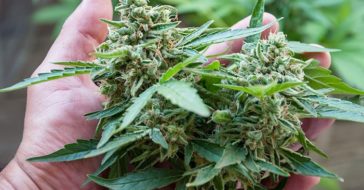
- Plant material (trim, stalks, leaves, unusable product)
- Extracted waste (contaminated biomass, spent solvents)
- Expired products (unsold inventory that must be destroyed)
- Packaging waste (labeling, containers, child-resistant bags)
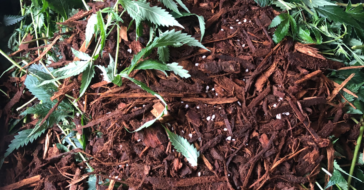
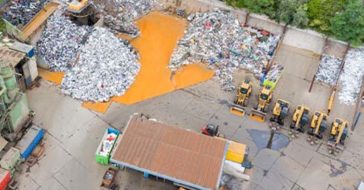
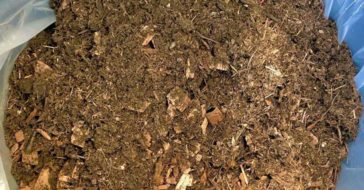
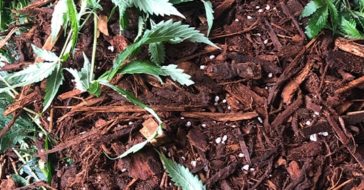
Disposing of this waste incorrectly can result in severe penalties, including fines, license revocation, and even criminal charges. In many states including California, cannabis waste must be rendered unusable and unrecognizable before disposal. This often involves grinding plant material and mixing it with other waste, such as soil, cardboard or food scraps.
You can read more about this rendering process in our article, 15 Cannabis Terms You Should Know For Waste Disposal.
How to Properly Handle Cannabis Waste
To ensure compliance with waste regulations, cannabis businesses should follow these key steps:
1. Work With a Licensed Waste Disposal Partner
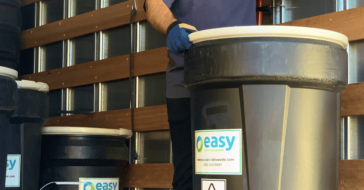
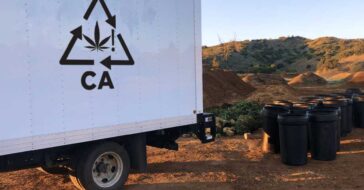
Many jurisdictions require cannabis waste to be handled by a licensed transporter. Working with a company experienced in cannabis waste disposal ensures your business follows all tracking and reporting requirements. These professionals can also help minimize risks by using sustainable disposal methods, such as solvent recovery for processing extracted waste.
2. Keep Detailed Records
Cannabis businesses must track waste from creation to disposal. In California, this is called California Cannabis Track and Trace. States with seed-to-sale tracking require detailed reporting of how much product is destroyed, when, and by whom. These records help prove compliance and can protect against legal issues.
3. Use Secure Storage and Transportation
Improperly stored waste can be stolen and diverted to the illegal market, leading to serious legal consequences. Secure waste storage, locked containers and approved transport methods are crucial in preventing theft and ensuring compliance.
4. Follow State-Specific Guidelines
Regulations vary by state, so businesses must stay up-to-date with local requirements. Some states require witnessed destruction of cannabis products, while others allow for composting under strict guidelines.
Why Compliance Matters Beyond the Cannabis Industry
Even if you’re not in the cannabis industry, you could still be at risk of legal trouble. Purchasing a property that was previously used for cannabis production comes with potential hidden liabilities.
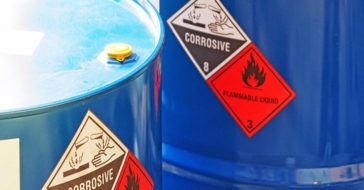
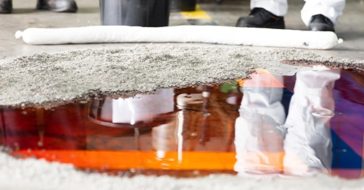
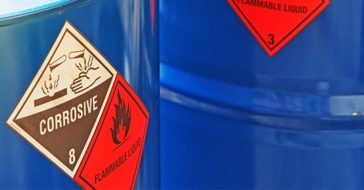
Commercial real estate companies may face a problem they never knew they had. If cannabis waste was improperly disposed of on-site, the new property owner becomes responsible for any environmental contamination or hazardous conditions. This could include leftover fertilizers, pesticides, residual THC-laden waste, or even hazardous extraction materials like butane and ethanol.
Failing to clean up these materials properly could result in:
- Fines and legal action from environmental agencies
- Denial of future business permits
- Unexpected cleanup costs
Before purchasing a property with a history of cannabis production, it’s essential to conduct a thorough environmental assessment and, if necessary, work with a professional waste disposal company to handle any remaining materials.
The Bottom Line: Compliance Is Non-Negotiable
With enforcement agencies cracking down on illegal cannabis activity, businesses must take proactive steps to ensure compliance. Proper licensing, tax reporting and waste disposal are all critical components of staying within the law and avoiding costly penalties.
For businesses involved in cannabis waste management, staying compliant isn’t just about following regulations—it’s about protecting the environment, preventing illegal diversion and ensuring the long-term success of the legal cannabis industry.
By working with trusted waste disposal partners, maintaining detailed records and following state-specific guidelines, cannabis businesses can operate legally and responsibly—no matter their role in the industry.