As the cannabis and hemp industries continue to grow, so does the need for businesses to understand the terminology around plant materials.
For those in cultivation, processing or waste management, distinguishing between hemp biomass and CBD flower is more than just semantics. This important distinction can affect your bottom line, compliance practices and disposal needs.
Here’s what you need to know about the difference between hemp biomass and CBD flower, and why that difference matters for waste disposal and regulatory compliance.
What Is Hemp Biomass?
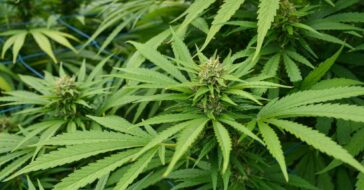
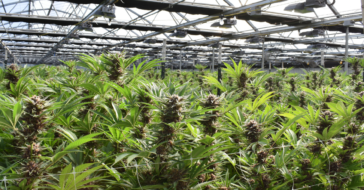
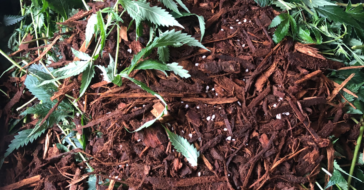
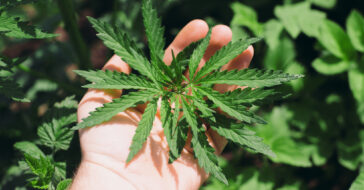
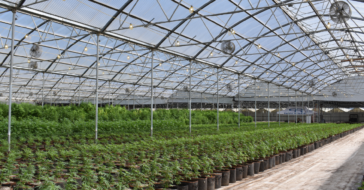
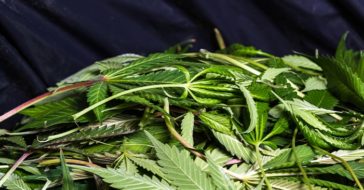
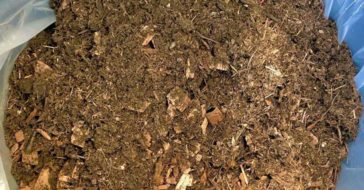
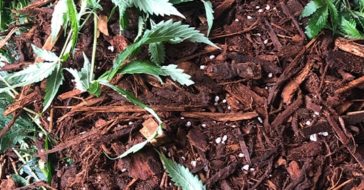
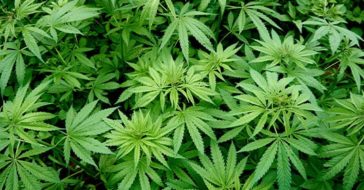
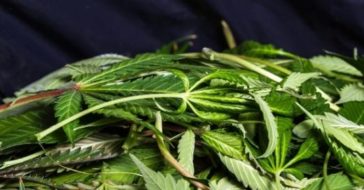
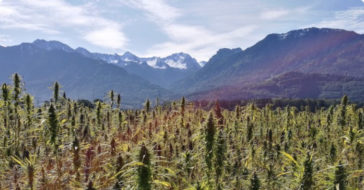
Hemp biomass refers to the bulk material left after harvesting hemp plants. This typically includes:
- Stalks
- Leaves
- Trim
- Sometimes low-quality or leftover buds
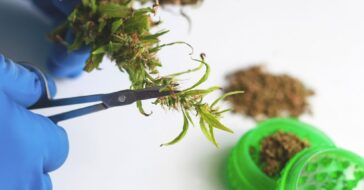
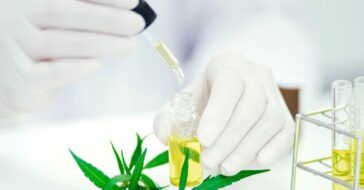
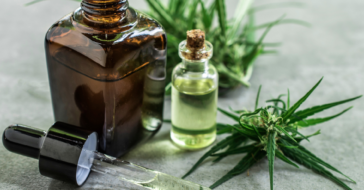
It does not include the high-grade flower that is trimmed and sold for smoking or direct consumption. Instead, biomass is often processed for extraction to make oils, tinctures, edibles and other infused products.
Hemp biomass is valued for its CBD content, but the concentration of cannabinoids is usually lower than in top-shelf flowers. Once the cannabinoids have been extracted, the remaining biomass becomes waste, which must be disposed of properly … especially if it still contains residual THC or CBD.
What Is CBD Flower?
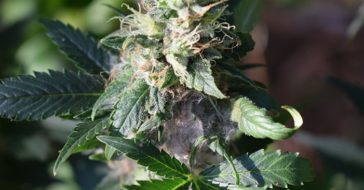
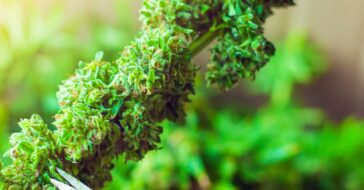
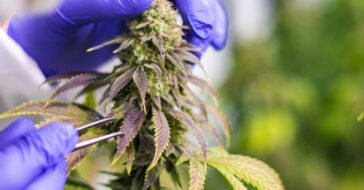
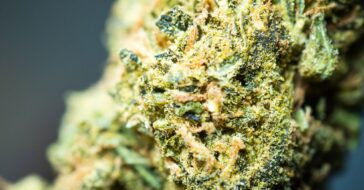
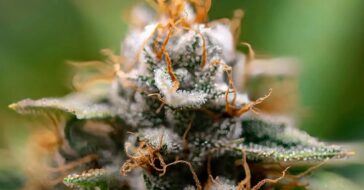
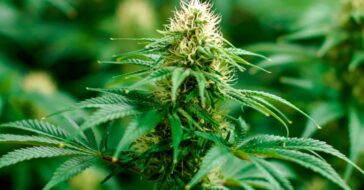
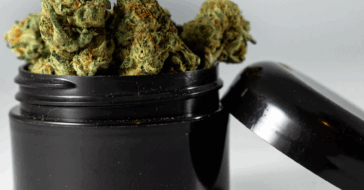
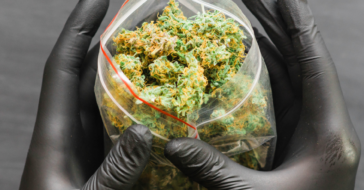
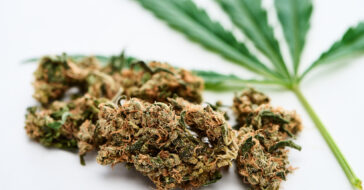
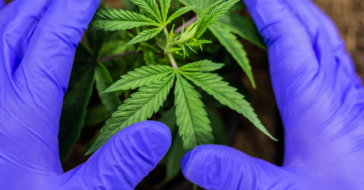
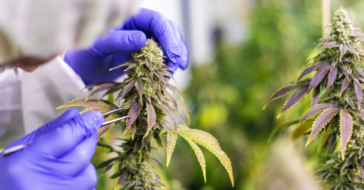
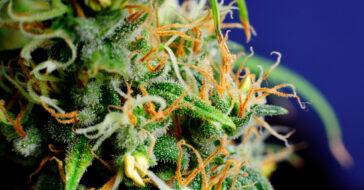
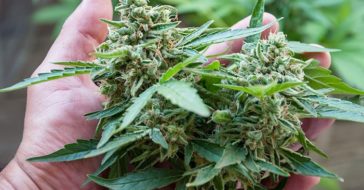
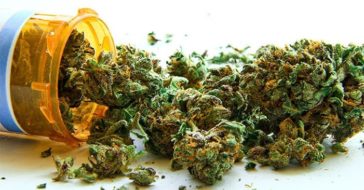
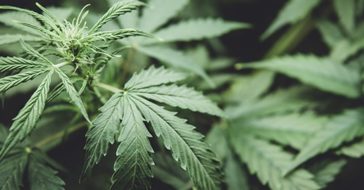
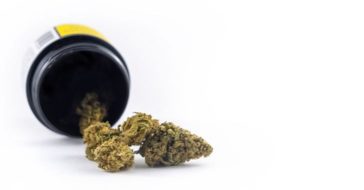
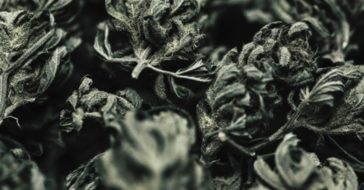
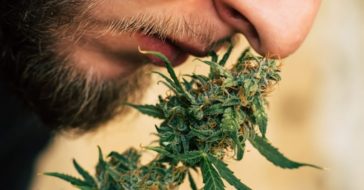
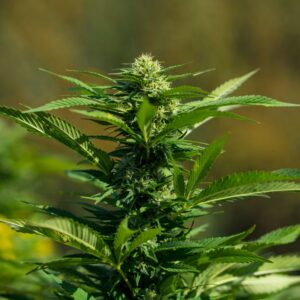
CBD flower (also called hemp flower) is the premium portion of the hemp plant. It’s the carefully cultivated, trimmed and cured bud that contains the highest concentration of cannabinoids, especially cannabidiol (CBD), and minimal amounts of THC (less than 0.3% to remain compliant under federal law).
CBD flower is typically:
- Grown for smoking or vaporizing
- Lab-tested for purity and potency
- Packaged and sold directly to consumers
- Treated similarly to high-THC cannabis in terms of care and quality
Because it’s a finished product, CBD flower is subject to tighter quality control, storage and sales regulations than biomass.
Key Differences Between Hemp Biomass and CBD Flower
| Feature | Hemp Biomass | CBD Flower |
| Plant Parts | Stalks, leaves, trim, low-grade buds | Fully developed, trimmed buds |
| Cannabinoid Content | Lower | Higher (primarily CBD) |
| Usage | Extracted for oils and products | Smoked or vaporized directly |
| Market Value | Lower | Higher |
| Processing Level | Often unprocessed or bulk | Cured, trimmed, lab-tested |
| Disposal Concerns | Often bulky, may be residual | Finished product, requires special handling |
Why It Matters for Waste Disposal
From a waste management perspective, hemp biomass and CBD flower present very different challenges.
Volume and Frequency
Biomass is often produced in large volumes, especially after harvest season. Disposal companies working with cultivators or processors must be equipped to manage bulky, organic waste (sometimes mixed with other materials).
CBD flower, by contrast, may not create as much physical waste, but failed or expired batches still require compliant disposal because of their potency.
Cannabinoid Content Affects Disposal Requirements
Even though hemp is legal at the federal level, any material containing THC or CBD must be disposed of properly, especially in states like California with strict cannabis waste laws.
If your biomass or flower tests above the 0.3% THC threshold, it may be considered non-compliant cannabis waste and must be:
- Rendered unusable and unrecognizable
- Mixed with organic material (like food waste or sawdust) in a 50/50 ratio
- Documented through a manifest or destruction log
CBD flower that fails testing, expires or is returned by customers cannot be simply thrown away. It must be destroyed and tracked just like any cannabis waste.
Environmental Considerations
Some businesses choose to compost biomass if it’s pesticide-free and free of residual solvents. But composting CBD flower isn’t usually an option due to its potency and legal risk.
Licensed cannabis waste disposal companies can help you determine what can be composted, what must be rendered unusable and what requires hazardous waste disposal.
How to Handle Each Type of Waste
Hemp Biomass Waste
- Compost if possible (as long as it contains no regulated compounds)
- For residual material post-extraction, work with a licensed cannabis disposal company to manage it in line with state law
- Keep documentation for audits or inspections
CBD Flower Waste
- Never discard it in regular trash, even if it’s expired or returned
- Use a licensed disposal company to render, track and document the destruction
- Make sure it’s removed from inventory systems like METRC or other seed-to-sale platforms
Why Choose a Licensed Cannabis Waste Disposal Provider
California requires cannabis and hemp businesses to follow strict protocols for disposal. A licensed disposal company can help:
- Ensure you stay compliant with DCC and local environmental laws
- Manage bulk organic waste like hemp biomass
- Provide proof of destruction for CBD flower and other regulated materials
- Offer eco-friendly disposal solutions, like composting or anaerobic digestion when allowed
- Help train your staff on internal handling and storage protocols
Failing to distinguish between hemp biomass and CBD flower can lead to compliance errors, improper waste handling or even fines.
Whether you’re producing bulk hemp for extraction or crafting premium CBD flower, working with a licensed cannabis waste disposal company ensures your business meets its legal obligations, and does so sustainably and securely.