Cutting cannabis plants is a routine part of cultivation, but what many growers may overlook is what comes after: the safe, compliant disposal of leftover plant material.
In every licensed cannabis operation, waste management is a legal, environmental and operational priority. From leaves and stalks to unusable flower and root balls, the byproducts of cutting cannabis plants can add up fast. Without a solid plan in place, growers risk non-compliance, environmental violations and threats to their business license.
Below, we’ll break down what happens during the cutting process, why it generates waste that must be carefully managed, the risks associated with improper disposal, and how to choose a cannabis disposal company you can trust.
Cutting Cannabis Plants: What It Involves and Why It Generates Waste

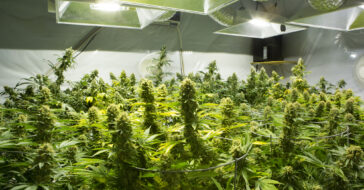
Cannabis operations that involve cutting plants typically include cultivation centers, processing facilities, and vertically integrated businesses that handle every step from seed to sale.
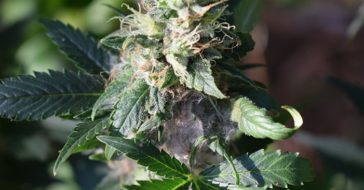
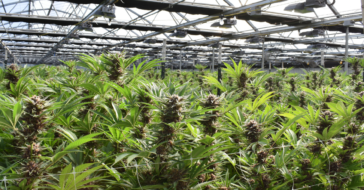
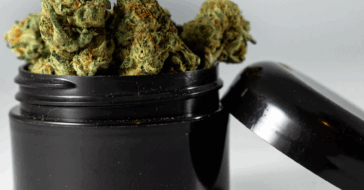
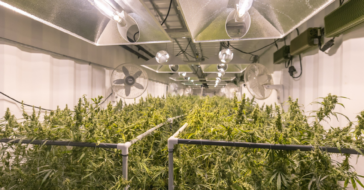
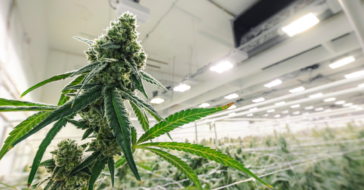
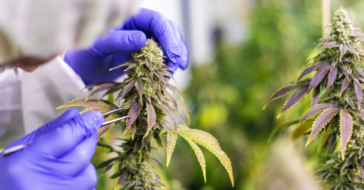
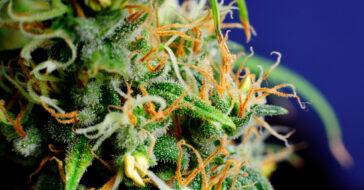
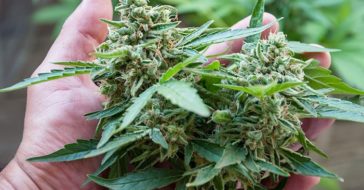
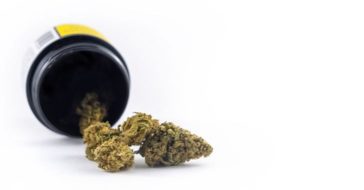
Once a plant reaches maturity — typically after 8 to 12 weeks of flowering — it’s ready to be harvested. At this stage, cultivators begin the cutting process, which includes trimming colas, separating usable flower from excess material, and removing large fan leaves and stems.
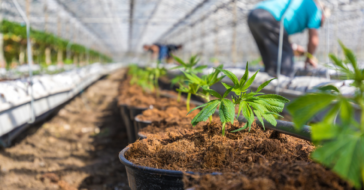
Harvesting cannabis can be done manually by trained employees or with the help of trimming machines, depending on the scale of the operation. Hand trimming is often preferred by craft growers who want to preserve the delicate trichomes and shape of the buds. In either case, the process generates significant volumes of waste that are not intended for consumption or sale. This includes:
- Fan leaves and sugar leaves with no usable THC/CBD content
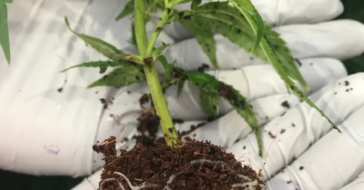
- Stems, stalks, and root balls
- Unmarketable or excess flower
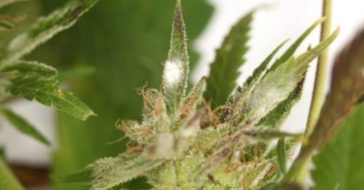
- Contaminated or pest-affected plant material
- Trimmings and debris from processing rooms
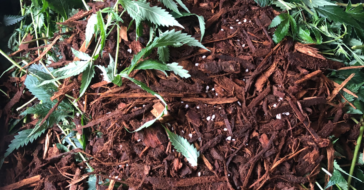
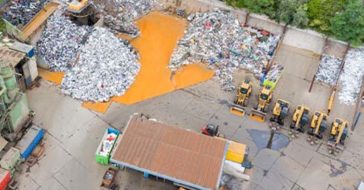
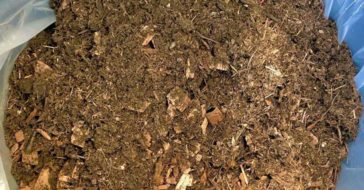
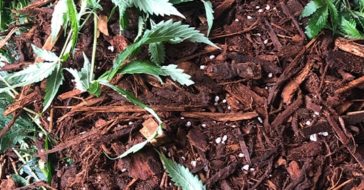
Because cannabis is a highly regulated substance, waste generated during and after cutting is subject to strict disposal rules. In most states, any plant matter that contains cannabinoids — even trace amounts — must be rendered unusable and unrecognizable before it leaves the facility. This typically involves mixing the waste with an inert material like soil, paper, or food waste in a 50/50 ratio.
And it doesn’t stop there. Depending on local laws, facilities may also need to maintain detailed records, video surveillance of the disposal process, and chain-of-custody documentation to prove proper handling. In short, disposal is not optional, and it’s not simple. That’s why many operators turn to specialized cannabis disposal companies.
Risks of Improper Cannabis Waste Disposal
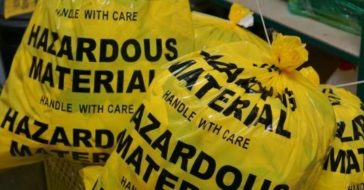
Improper disposal of cannabis waste can result in serious consequences — financial, environmental and legal. First and foremost, failing to follow cannabis waste disposal requirements can trigger fines, license suspension or even revocation.
For licensed operators who’ve invested heavily in their facilities, equipment and staff, non-compliance is a risk they can’t afford.
But the concerns go beyond the legal realm. Improper disposal can pose:
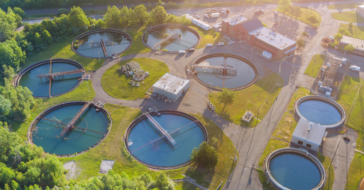
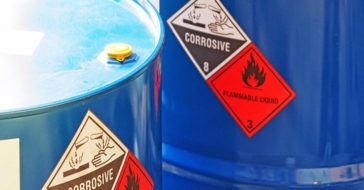
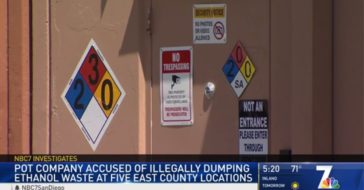
- Environmental risks: Discarded cannabis waste can contaminate soil and water sources if not handled correctly. For example, root balls and leaves treated with pesticides or nutrients can leach chemicals into the environment if dumped improperly.
- Public safety risks: Waste containing active cannabinoids can be diverted for illegal use if not properly destroyed. Unsecured waste bins or improperly transported material create opportunities for diversion and theft.
- Odor and pest issues: Cannabis plant matter, particularly flower and sugar leaves, can generate strong odors as it decomposes. If not removed promptly and handled in a contained manner, it can attract pests and create an unpleasant environment for workers and neighbors.
- Regulatory scrutiny: Cannabis remains one of the most tightly regulated industries. Waste handling is part of routine inspections, and any deviation from protocol can result in penalties or negative findings on compliance audits.
In short, cannabis operations are under the microscope, and disposal procedures must be airtight. Taking shortcuts or underestimating the importance of compliant disposal can compromise an otherwise well-run operation.
What to Look for in a Cannabis Waste Disposal Company
Choosing a reliable cannabis disposal company is one of the smartest investments a cultivator or processor can make. But not all disposal providers are created equal, especially when it comes to meeting the rigorous standards of the cannabis industry.
Here are key qualities to look for:
Cannabis-Specific Licensing and Experience
Disposing of cannabis waste is not the same as hauling away general trash or yard debris. Look for a disposal provider that is licensed to handle cannabis waste in your state and has documented experience working with licensed operators. They should be familiar with state-specific compliance requirements and able to help you meet them.
Secure Chain of Custody
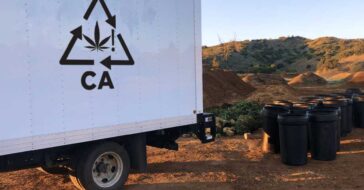
You are responsible for your cannabis waste until it reaches its final destination — even after it leaves your facility. A reputable disposal company will offer secure, trackable transportation, clear documentation and a verifiable chain of custody. This protects you in the event of an audit or regulatory inquiry.
On-Site Services and Compliance Support
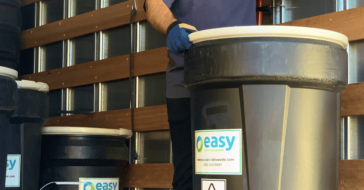
The best cannabis disposal partners go beyond hauling—they help you stay compliant. This may include on-site rendering of waste, locked bins, detailed manifest logs, and guidance on state-mandated recordkeeping. Some also offer video documentation of the disposal process for added peace of mind.
Environmentally Responsible Practices
Sustainability is an increasing focus within the cannabis industry. Some disposal companies divert waste to composting or energy recovery facilities, helping reduce your environmental impact. Ask how they handle different waste streams and whether they offer green alternatives.
Flexibility and Timeliness
Harvest timelines can be unpredictable, and post-harvest waste piles up fast. A good disposal company offers flexible pickup schedules, rapid response times, and scalable service options that grow with your business. Whether you need routine pickups or seasonal bulk hauling, they should adapt to your needs.
Final Thoughts
Cutting marijuana plants marks the end of one phase of cultivation, but it’s also the beginning of a critical responsibility: disposing of leftover plant material safely, securely and in compliance with the law.
By understanding the scope of the waste generated during cutting, the risks of improper disposal, and what to look for in a disposal partner, cannabis operators can protect their licenses, their environment, and their bottom line.
If your operation is heading into harvest season, now’s the time to make sure your cannabis waste disposal plan is as robust as the plants you’ve grown.