California’s cannabis industry runs on strict rules, tight compliance requirements, and meticulous documentation. Most cannabis operators understand the importance of proper labeling, testing, tracking, and destruction of waste. But one element of compliance is often overlooked – the universal cannabis symbol (UCS).
While the symbol’s purpose on consumer goods is well known (to clearly mark items that contain cannabis), its role in waste management is far more complex. And as of January 1, 2024, California regulators have strengthened enforcement around its misuse, adding new layers of responsibility for operators who generate or manage cannabis waste.
For dispensaries, manufacturers, cultivators, distributors, and any business involved in cannabis waste destruction, understanding how the symbol affects compliance and legalization is important. Let’s break down what the universal cannabis symbol is, why it matters, and how all of this impacts waste management practices.
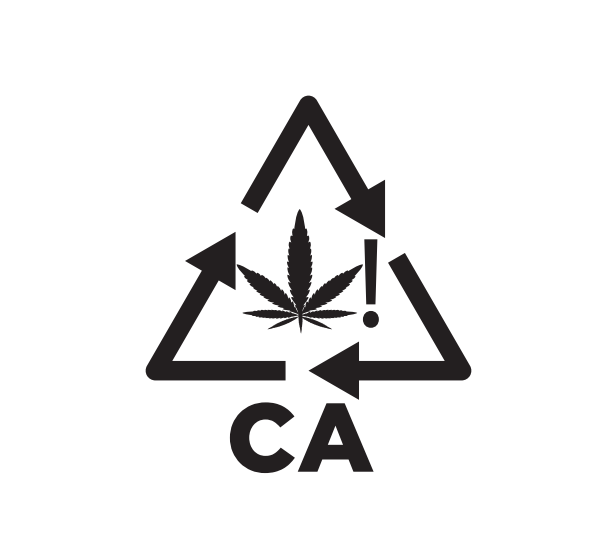
What Is the Universal Cannabis Symbol?
California requires a specific, standardized symbol on all cannabis and cannabis products sold in the state. The universal cannabis symbol:
- Alerts consumers that the product contains cannabis
- Must appear on the primary panel of any cannabis good
- Is a legal requirement under the Medicinal and Adult-Use Cannabis Regulation and Safety Act (MAUCRSA)
Because the symbol signifies a regulated product, its use is limited to licensed cannabis activity. Businesses must be able to prove why any item bearing the symbol is in their possession.
Most operators focus on the symbol when packaging products for sale, but compliance concerns don’t end there. Once items become waste, the presence of this symbol continues to matter.
Why the Cannabis Symbol Matters in Waste Streams
When cannabis products become expired, damaged, spilled, contaminated, or otherwise unsellable, they enter the cannabis waste stream. But even as waste, anything bearing the universal symbol still triggers regulatory scrutiny.
Why? Because any mislabeled or improperly possessed item with the symbol could signal illegal diversion, illicit manufacturing, or unlicensed cannabis activity. In other words, regulators don’t just monitor live inventory … they monitor what happens to everything, including packaging, failed products, defective labels, and even promotional materials if they display the mark.
This means operators must take extra care to ensure:
- Cannabis waste is properly documented
- Items with the symbol aren’t co-mingled with regular trash
- Inventory adjustments match destruction records
- Waste destruction is handled by a compliant vendor
- Packaging with the symbol is rendered unusable
Neglecting these steps can trigger an investigation, even if no cannabis product remains inside.
New Enforcement Rules: What Has Recently Changed
In January 2024, the California Department of Tax and Fee Administration (CDTFA) received new authority under Assembly Bill 1126 to further regulate the misuse of the universal cannabis symbol. Here’s what operators need to know:
- Any business selling or storing items bearing the symbol can now be inspected
This includes non-cannabis businesses that happen to hold mislabeled items, which broadens CDTFA’s reach.
- Misuse of the symbol can result in seizure
Items incorrectly bearing the symbol are now treated as contraband and will be confiscated.
- Each misuse counts as a separate violation
Every label, package, advertisement, or document is counted individually—meaning fines and penalties stack quickly.
- Operators must maintain records proving the symbol is connected to licensed commercial activity
If the CDTFA asks for proof, you must be able to produce it immediately.
- Cannabis products cannot be sold or stored where tobacco products are sold or stored
Mixing regulated categories is prohibited and creates additional inspection vulnerabilities.
For cannabis waste, these changes matter because waste often includes packages, labels, and remnants that still bear the symbol. If these materials aren’t managed properly, they can be considered contraband, even if the cannabis inside is long gone.
The Symbol’s Impact on Cannabis Waste Management
For licensed operators, the universal cannabis symbol influences several areas of waste management.
Proper Waste Segregation
Waste containing cannabis residue or packaging with the symbol must be kept separate from:
- Regular business trash
- Tobacco waste
- Recyclables
- Food waste
Commingling can lead to compliance issues or, worse, enforcement actions.
Documentation and Recordkeeping
Because CDTFA can now inspect for symbol misuse, documentation becomes even more important. Businesses should ensure:
- Waste logs match METRC adjustments
- Destruction records are complete and accessible
- Packaging waste is accounted for
- Waste transfer manifests are properly completed
Incomplete records can look like diversion.
Partnering With a Compliant Waste Hauler
Not all waste haulers understand cannabis-specific regulations, especially when it comes to packaging. A compliant cannabis waste management company ensures:
- Waste is rendered unusable and unrecognizable before cannabis waste disposal
- Packaging is properly destroyed
- Transportation meets state and local regulations
- Documentation is audit-ready
This protects operators from liability if their waste is mishandled downstream.
Preventing Label Misuse
One lesser-known risk is label stock – rolls or sheets of unused labels that bear the universal symbol. If these aren’t secured or properly destroyed, they could be misused on illicit products.
Manufacturers and distributors should treat label materials with the same care as actual cannabis goods.
What Operators Should Do: Best Practices
To stay compliant under the new enforcement authority, here are five tips cannabis operators should follow:
- Treat anything containing the symbol as a regulated item, even as waste. Packaging and labels require the same chain-of-custody documentation as cannabis waste.
- Lock and secure waste until destruction. Prevent unauthorized access and reduce the risk of diversion.
- Work only with licensed cannabis waste management partners. They provide required destruction methods and compliance-level documentation.
- Maintain detailed records. Keep all logs, invoices, manifests, and destruction reports organized and accessible.
- Train staff. Make sure teams understand why packaging can’t go in regular trash and how to handle inventory adjustments.
The universal cannabis symbol isn’t just a packaging requirement – it’s a regulatory marker that follows a product from creation to disposal. Under California’s updated enforcement rules, the misuse of this symbol can result in inspections, violations, and product seizures.
For cannabis operators, the safest and most compliant path is simple:
- Treat anything bearing the symbol as strictly regulated
- Ensure all waste containing the symbol is destroyed properly
- Keep documentation organized and accessible
- Partner with a compliant cannabis waste management provider
By integrating these practices into your waste procedures, you protect your license, your business, and California’s regulated cannabis market.