Along the California coastline, cannabis odors can drift with the ocean breeze, creating an unwelcome presence.
It’s not an uncommon problem in the cannabis industry, with odors that come from cannabis farms and production a point of contention among local residents and cultivators.
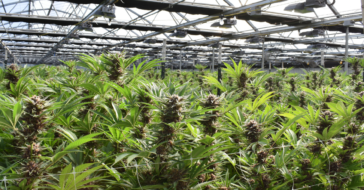
The smells that come from cannabis farming are especially strong during the flowering stage, which can last four to five weeks before farmers harvest the crop, as well as during the processing stage, which can take three to four weeks. The aromas are from the plants, and can vary depending on the strain.
One study found that nuisance legal actions like the smell of cannabis farming can pose a greater financial threat to the cannabis industry in the United States than regulation.
The U.S. Environmental Protection Agency (EPA) doesn’t regulate odors, though California law requires operators to mitigate potential sources of waste odor. The EPA is also developing an odor reporting tool that allows community members to report odors in their community and view reports about claims submitted by others.
As a cultivator, while it may be impossible to eliminate all cannabis odors, there are steps you can take to minimize them, helping to maintain a positive relationship with your community neighbors. These steps include:
- Install odor control systems.
- Create natural barriers.
- Schedule activities strategically.
- Use proper waste storage.
- Remove waste promptly.
Install Odor Control Systems
One of the most effective ways to minimize cannabis odors is by installing odor control systems, such as carbon filtration or air scrubbers. These systems work by capturing airborne particles and neutralizing odors before they escape into the surrounding area.
Carbon filters are particularly popular in cultivation facilities because they can absorb volatile organic compounds (VOCs) responsible for the strong aromas of cannabis.
Beyond carbon filtration, you might also consider ozone generators, which break down odor-causing molecules, or vapor-phase odor control systems that use neutralizing agents to combat unpleasant smells. Both options offer additional layers of protection against odor issues, particularly during peak times like flowering and processing stages.
Regular maintenance of these systems is key to ensuring they remain effective. Over time, filters and equipment can become clogged or worn, reducing their ability to manage odors. Stay proactive by scheduling routine checks and replacing parts as needed.
Create Natural Barriers
Natural barriers like trees, shrubs and other vegetation can act as buffers to prevent cannabis odors from traveling far beyond your farm. Dense, fast-growing plants can help trap odors and create a visual and environmental shield between your cultivation site and nearby communities.
Consider planting native species that thrive in your region and grow tall enough to form an effective barrier.
Strategically positioning these natural barriers around the perimeter of your farm or near high-odor areas, like greenhouses and processing facilities, can significantly reduce the spread of unwanted smells. In addition to helping control odors, these plants can provide added benefits such as noise reduction and visual privacy, improving the overall aesthetics of your farm.
Creating a buffer with natural barriers demonstrates your commitment to being a good neighbor by reducing the impact of your operations on surrounding areas. It’s an eco-friendly, low-maintenance solution that also contributes to the local environment.
Schedule Activities Strategically
Timing is an often-overlooked strategy in odor management. By scheduling harvesting and processing activities during certain times of day or year, you can minimize the disruption caused to nearby residents.
For example, performing high-odor tasks early in the morning or later in the evening, when people are less likely to be outside, can reduce complaints.
You can also avoid peak times when winds or ocean breezes might carry odors farther from your site. Monitoring local weather patterns and adjusting your schedule accordingly can help reduce the impact of cannabis odors on the surrounding community. Consider coordinating with your neighbors if possible, and informing them of particularly odor-heavy periods in advance to maintain transparency.
A well-thought-out scheduling approach not only reduces complaints but also shows respect for your neighbors’ daily routines, helping you maintain a positive relationship with the local community.
Use Proper Waste Storage
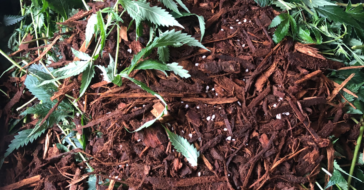
Proper cannabis waste storage is crucial in minimizing cannabis odors. Organic materials like leaves, stems and other plant debris can release strong smells if left exposed or improperly contained.
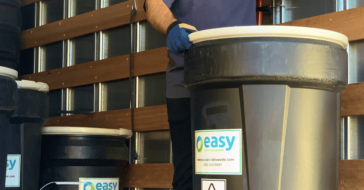
Using sealed, airtight containers for plant waste ensures that odors are contained and don’t escape into the surrounding air. Make sure the containers are specifically designed to hold organic waste to prevent leakage and help with odor control.
Storing waste in cool, shaded areas can further reduce odor intensity, since heat can amplify the smell of decomposing plant material. Consider storing waste away from high-traffic areas to avoid exacerbating the issue for employees and nearby residents. This simple step can go a long way in preventing complaints and keeping your facility running smoothly.
It’s also a good practice to regularly inspect your waste storage areas for leaks or signs of degradation in your containers as well. Keeping these areas clean and well-maintained can help minimize any additional odor problems.
Remove Waste Promptly
Even with proper storage, waste left on-site for too long can start to produce unwanted odors. Prompt waste removal is one of the easiest and most effective ways to keep odors in check.
By setting up a regular waste removal schedule, you can ensure that materials are removed before they start to decompose and release strong smells.
Working with a professional waste disposal company that understands the specific needs of cannabis operations can make a significant difference. Ensure they adhere to California cannabis waste disposal guidelines regarding the safe and timely disposal of cannabis waste. Some disposal services offer same-day pickups, which can be a valuable option during high-odor periods like harvesting and processing.
Prompt waste removal not only reduces odors but also helps maintain a clean and organized facility. It shows your commitment to compliance and community well-being, fostering goodwill with your neighbors.