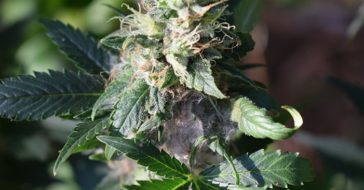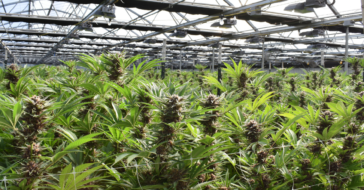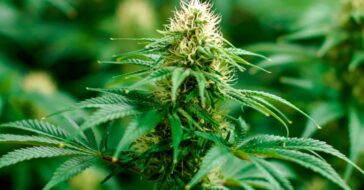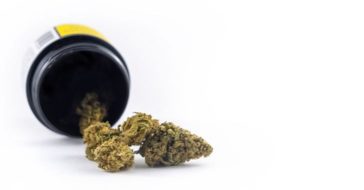
When most people think of cannabis, their minds jump to the flower – the resinous buds that are harvested, dried and sold for medicinal or recreational use. But cannabis plants are much more than just their flowers.
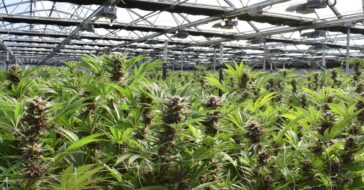
They have stalks, stems, roots, and of course, leaves – lots of leaves. While the flowers may be the star of the show, the leaves are an unavoidable byproduct of the cultivation process. And like every part of the cannabis plant in California, these leaves must be handled and disposed of according to strict regulations.
The Purpose of Cannabis Leaves
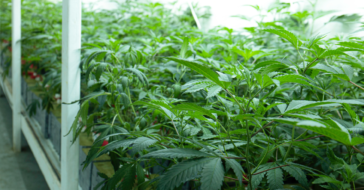
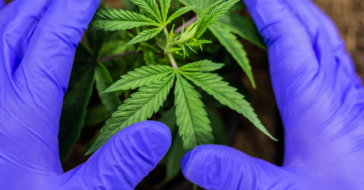
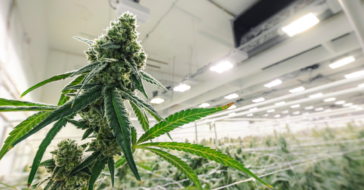
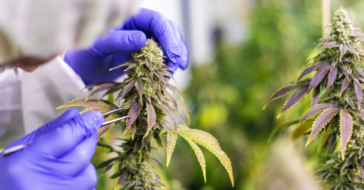
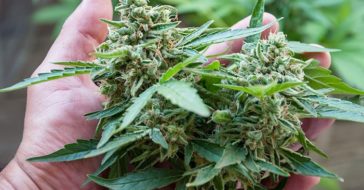
Cannabis leaves play a vital role in the growth and health of the plant. They act as solar panels, absorbing sunlight and converting it into energy through photosynthesis. The broad fan leaves in particular help regulate temperature, control moisture loss and capture nutrients – all critical for healthy, vigorous growth.
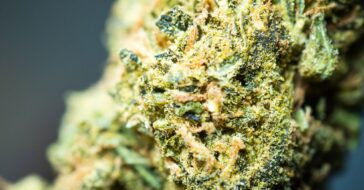
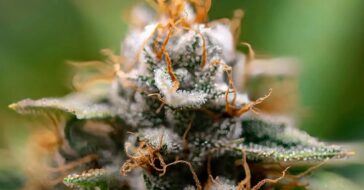
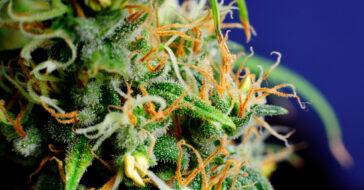
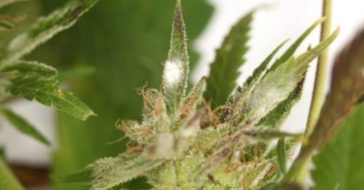
Sugar leaves, the smaller leaves that surround the buds, contain trichomes and trace amounts of cannabinoids, which give them limited value for extraction or infusion purposes.
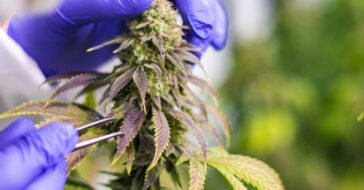
However, when harvest time arrives, many of these leaves are removed and discarded. Fan leaves, which are larger and contain minimal THC or CBD, are typically considered waste because they don’t contribute to the potency or flavor of the final product.
Some growers choose to compost them for soil enrichment or use them in non-commercial applications like mulch or juicing. But for licensed cultivators in California, even plant material with little to no psychoactive content is considered “cannabis waste” under state law. And that means it must be disposed of in compliance with cannabis waste management regulations.
What Cannabis Leaves Are (and Aren’t) Used For
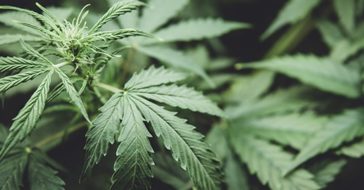
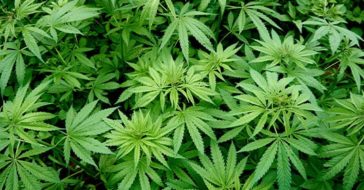
There are two main types of leaves on a cannabis plant: fan leaves and sugar leaves.
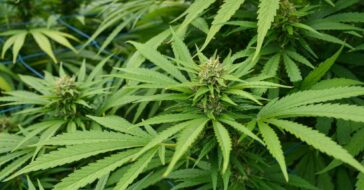
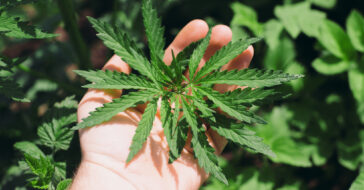
- Fan leaves are the iconic, hand-shaped leaves that most people associate with cannabis imagery. They are rich in chlorophyll but low in cannabinoids, making them poor candidates for most commercial cannabis products.
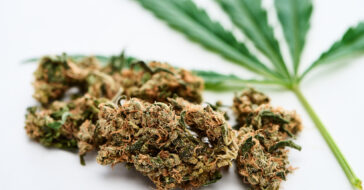
- Sugar leaves, by contrast, grow close to the buds and are covered in trichomes. While not as potent as the flower itself, these leaves can still contain measurable amounts of THC or CBD and may be collected for processing into concentrates, edibles, or tinctures.
Because of this, not all cannabis leaves are automatically waste. Some licensed producers may set aside sugar leaves for extraction, while fan leaves are more likely to end up in the waste bin.
However, even when cannabis leaves are destined for disposal, they cannot simply be thrown away or composted without documentation and oversight. State and local regulators in California require strict tracking of all cannabis waste, including leaves, from the moment it’s generated to its final destruction.
Proper Disposal of Cannabis Leaves
Cannabis leaves are classified as cannabis waste under California’s Department of Cannabis Control (DCC) regulations. This means any plant material that is not used in the final product must be rendered “unusable and unrecognizable” before disposal. The goal is to prevent diversion into the illicit market and to ensure that all cannabis waste is managed in an environmentally responsible way.
There are several approved methods for rendering cannabis leaves unusable:
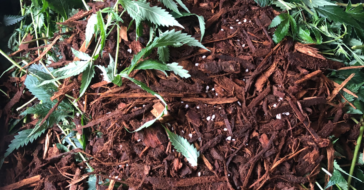
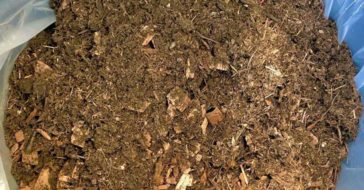
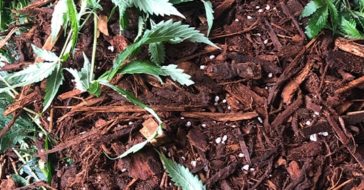
- Grinding and mixing: Cultivators often grind the leaves and mix them with other non-cannabis materials such as soil, food waste, paper, or sawdust. The mixture must contain at least 50% non-cannabis waste by volume to ensure it’s unrecognizable.
- Composting: If the waste is properly mixed and documented, it can be composted on-site or transported to a permitted composting facility. However, this option is only available to licensees who comply with all applicable local and state environmental rules.
- Anaerobic digestion: Cannabis waste may also be processed through anaerobic digestion facilities that convert organic waste into energy.
- Incineration or landfill: Some cultivators partner with disposal companies that take cannabis waste to incineration or landfill sites, but this must still follow all tracking and reporting procedures.
In all cases, businesses must maintain detailed waste logs that document the date, amount, type of waste, and method of disposal. These records must be kept for at least three years and made available for inspection by regulators. Failing to properly manage cannabis leaves can result in costly fines or even license suspension.
Working with a Licensed Cannabis Waste Disposal Company
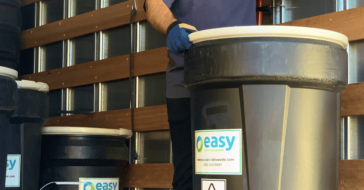
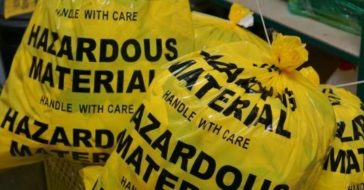
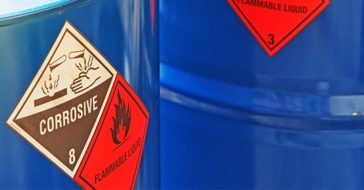
Because cannabis waste disposal is more complex than traditional agricultural waste, most cultivators choose to work with a licensed hazardous waste disposal company that specializes in cannabis materials. Partnering with the right company not only ensures compliance but also saves time and reduces risk.
Here are some key qualities to look for when selecting a cannabis waste management partner:
- Proper Licensing and Certification: The disposal company should hold all required permits to handle cannabis waste and, if applicable, hazardous materials. In California, they should be registered with the Department of Cannabis Control or have the proper Transporter license for cannabis waste.
- Chain of Custody Documentation: Reputable cannabis environmental services provide full traceability from pickup to final disposal. This means you’ll receive manifests and detailed documentation verifying when and how your cannabis leaves were destroyed.
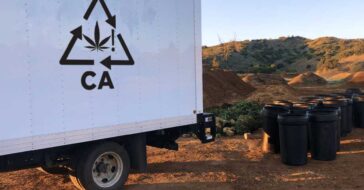
- Secure Transportation: Cannabis waste must be transported by authorized personnel in secure, locked vehicles. Look for a company that has trained drivers and compliant transport protocols.
- Environmentally Responsible Practices: Sustainable options such as composting, anaerobic digestion, or solvent recovery are increasingly preferred over landfilling. Partnering with a company that prioritizes environmentally friendly disposal helps align your operation with California’s broader sustainability goals.
- Knowledge of Cannabis Regulations: Cannabis regulations evolve frequently, and compliance requirements can vary between counties. The best disposal partners stay current with DCC rules and can help you navigate updates that affect your waste management processes.
- Custom Solutions for Cultivators: Not all cannabis operations generate waste in the same way. A good disposal company will tailor its services to your facility’s size, volume of waste, and operational needs. This can include scheduled pickups, on-site destruction services, or compliance training for your staff.
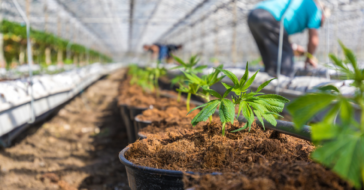
By working with a qualified cannabis waste disposal company, cultivators can focus on what they do best – growing healthy marijuana plants – while leaving the compliance details to experts who understand the complexities of cannabis regulation.