Managing cannabis waste may be required, but it’s also a great opportunity to enhance your overall sustainability goals within your organization.
In the rapidly growing cannabis industry, businesses must not only comply with stringent waste disposal laws but also find ways to improve efficiency and environmental responsibility. A well-executed cannabis waste reduction strategy ensures compliance while supporting long-term sustainability and cost savings.
To build an effective plan, it’s important to take a comprehensive approach that identifies waste sources, reduces their impact and establishes ongoing improvements. Here are five steps to guide your cannabis waste management strategy.
- Assess your waste types.
- Reduce waste at the source.
- Look into recycling and repurposing possibilities.
- Work with a trusted cannabis waste management partner.
- Commit to ongoing review and improvement.
Assess Your Waste Types
A successful waste reduction plan begins with understanding what you’re working with and where that waste goes.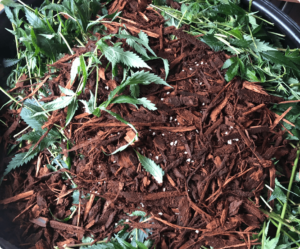
Conduct a cannabis waste assessment to catalog the types, volumes and sources of waste generated at your facility. This step provides the data necessary to identify inefficiencies, spot patterns and uncover opportunities for improvement.
It’s important to remember that there are many different types of cannabis waste, including:
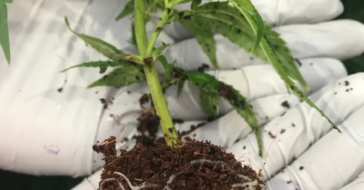
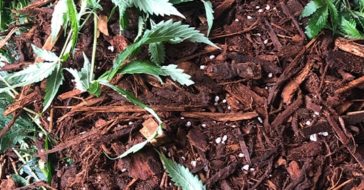
- Cannabis plant waste (stems, leaves, roots and unusable flowers)
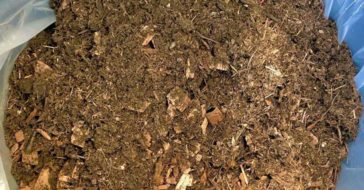
- Soil and growing media
- Extraction byproducts (spent biomass, residual solvents)
- Packaging waste (plastic containers, glass jars, mylar bags)
- Expired or contaminated products
- Personal protective equipment (PPE) and disposable tools
All of these different cannabis waste types may require a different type of disposal, but there may be additional opportunities for reducing your waste that you may not currently be considering.
For example, a facility might discover that certain cultivation practices generate excessive plant waste or that packaging materials could be reduced. This analysis can also highlight gaps in current disposal procedures or employee training.
By documenting these findings, you not only build a baseline for your waste management plan but also ensure readiness for regulatory inspections. Ultimately, a waste assessment lays the groundwork for sustainable improvements in operations.
Reduce Waste At The Source
Prevention is one of the most effective ways to reduce the amount of cannabis waste your production generates. By addressing inefficiencies at the source, you can minimize the need for disposal.
Start by examining cultivation, processing and packaging practices by asking these questions:
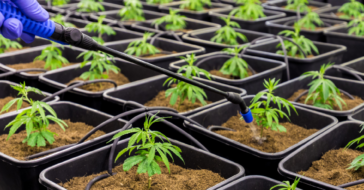
- Are there sustainable growing techniques that reduce plant waste?
- Can trimming and processing methods be optimized to minimize discarded biomass?
- Are there biodegradable or recyclable packaging alternatives?
- Is there a way to repurpose plant byproducts into secondary products, such as hemp fiber or extracts?
- Can you collaborate with suppliers to reduce excess packaging and improve material efficiency?
- Are employees properly trained to handle materials to minimize unnecessary waste?
Another key factor is how much you emphasize staff education. Proper handling and storage techniques, accurate material measurements and proactive maintenance can significantly reduce waste production.
Investing in source reduction strategies often pays off quickly, helping your organization save money while improving environmental stewardship.
Look Into Recycling And Repurposing Possibilities
Cannabis waste, including plant material, soil and packaging, can often be repurposed or recycled to minimize environmental impact. Recycling programs can include composting organic waste, reclaiming solvents used in extraction, or working with specialized facilities to process cannabis waste into biofuels.
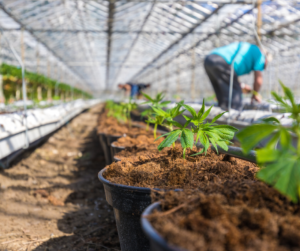
For instance, stems and leaves that are often discarded could be used in industrial hemp production. Extracted oils and terpenes could be reprocessed for use in new formulations, reducing waste while increasing efficiency.
Establish clear procedures for separating recyclable materials from general waste, and train employees on proper handling. Collaborate with cannabis waste disposal companies to ensure compliance with all local and federal regulations and to explore innovative recycling technologies that align with your sustainability goals.
Work With A Trusted Cannabis Waste Management Partner
Navigating cannabis waste regulations and managing disposal processes can be overwhelming, but a knowledgeable cannabis waste management provider can make all the difference.
Because there are many types of hazardous waste and general waste, it’s important to look for a partner with expertise in cannabis industry regulations, waste disposal and sustainability. Cannabis waste disposal requirements in California are stringent to protect the public and the environment.
Your provider should offer services tailored to your facility’s needs, from compliance consulting to secure destruction and innovative recycling solutions. A reliable partner can also help identify cost-saving opportunities while ensuring that your organization remains compliant with evolving laws.
By building a strong partnership, you can access expert guidance and innovative solutions that support your long-term waste reduction goals.
Commit To Ongoing Review And Improvement
A cannabis waste reduction plan requires regular monitoring, evaluation and adaptation.
Here’s how you accomplish this:
- Track key metrics: This includes waste volumes, recycling rates and disposal costs, to measure progress and identify areas for improvement.
- Schedule periodic audits. You want to assess the effectiveness of your strategies and ensure compliance with regulatory updates.
- Engage your waste management partner. During these reviews, work with your cannabis waste management provider to uncover new technologies or best practices that can enhance your results.
By fostering a culture of continuous improvement, you’ll not only maintain compliance but also strengthen your organization’s environmental commitment. Over time, these efforts will lead to safer operations, reduced costs and a smaller environmental footprint.