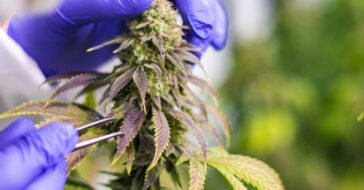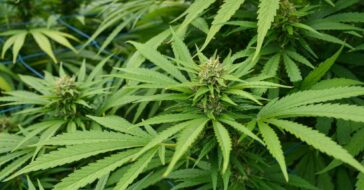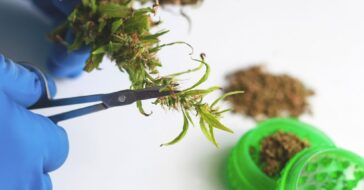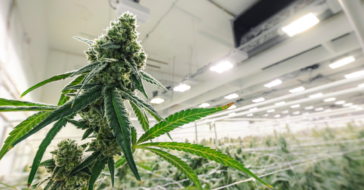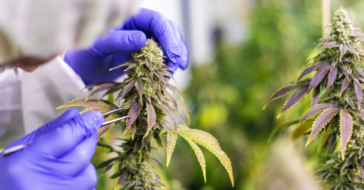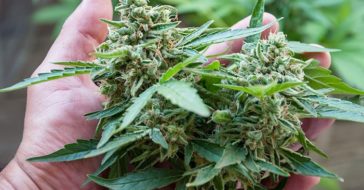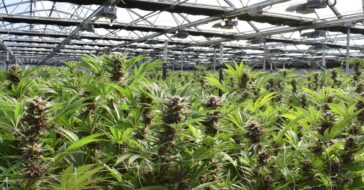
Commercial cannabis cultivation is a precision-driven process requiring careful control over plant structure, airflow, light penetration and production efficiency. One of the simplest yet most impactful ways to optimize plant health and boost yield is through strategic clipping – an umbrella term that includes pruning, topping, defoliation, and pre-harvest manicuring.
But for licensed operators, clipping isn’t just a horticultural practice. Every cut generates regulated cannabis waste that must be managed in strict compliance with state rules.
Whether you operate a mid-size indoor facility or a large greenhouse, understanding how to clip a weed plant properly – and how to dispose of the waste safely – is important to maintaining compliance, protecting your license, and avoiding costly violations. This guide breaks down what to cut, when to cut it, and what to do with the resulting green waste so your operation stays productive and compliant.
Why Clipping Matters in Commercial Cultivation
Clipping plays a key role in shaping plant structure and creating a uniform canopy. When done correctly, it helps growers:
- Improve airflow and reduce disease pressure
- Increase light distribution and PPFD efficiency
- Boost bud size and overall yield
- Reduce labor time during harvest
- Prepare plants for automated or hand trimming
- Maintain consistent quality across batches
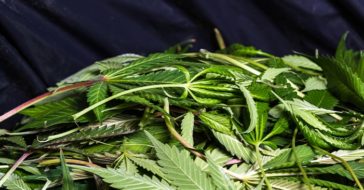
But each clipping stage produces a significant volume of stems, fan leaves, and small branches. For commercial growers, these aren’t simply tossed in a bin. They must be documented, mixed, transported and disposed of according to state cannabis waste regulations.
How to Clip a Weed Plant: Stage-by-Stage Best Practices
Commercial facilities generally perform clipping during four key stages: vegetative growth, early flower, mid flower, and pre-harvest. Here’s what each stage entails.
1. Vegetative Stage: Topping, Shaping, and Lollipopping
During veg, clipping focuses on canopy development.
Topping and FIMing
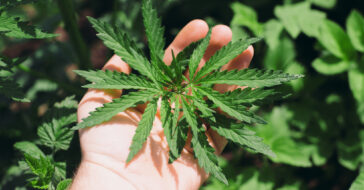
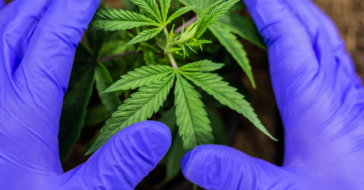
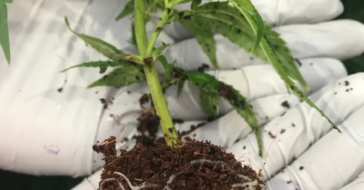
Growers remove the upper growth node to encourage branching, creating a flatter, more productive canopy. This is typically done once plants have at least 4–6 nodes.
Selective Pruning
Branches low on the plant that receive little light are removed to redirect energy upward. This helps prevent wasted growth and reduces “larf.”
Lollipopping
Growers often remove the bottom 20–30% of branches in preparation for flowering. This improves airflow and eliminates sites that won’t produce high-quality flower.
Veg Waste Profile:
Thicker stems, soft branches, fan leaves.
2. Early Flower: Opening the Canopy
This window (usually weeks 1 to 3 of flowering) is the safest time to perform heavier defoliation.
Defoliation
Growers remove large fan leaves that block light from reaching developing bud sites. Care is taken not to over-strip, which can stress plants.
Secondary Lollipopping
Lower branches that still won’t produce usable flower are clipped to concentrate resources on top colas.
Waste Profile:
High volume of fan leaves and branch material.
3. Mid Flower: Light Touch Only
Once plants are stacking buds, clipping becomes minimal.
Light Defoliation
Only leaves that are heavily shading bud sites or touching the medium are removed.
Disease Prevention
Small clipping adjustments may be made to improve airflow in dense canopies.
Waste Profile:
Minimal, but still regulated.
4. Pre-Harvest: Clipping for Trim Efficiency
A few days before harvest, many facilities perform light clipping to streamline trimming.
Pre-Trim Defoliation
Growers remove excess fan leaves and some sugar leaves to reduce the amount of material entering trim rooms or automated trimmers.
Harvest Prep
Clipping at this stage improves drying consistency and reduces labor costs post-harvest.
Waste Profile:
Fan leaves, sugar leaves, small stem material.
Why Clipping Waste Can’t Be Treated Like Ordinary Green Waste
Under most state cannabis regulations, any material that comes from a cannabis plant – regardless of THC content – must be disposed of in a way that prevents diversion. That means clipped stems and leaves cannot be placed in standard compost bins or dumpsters.
Cannabis waste must be:
- Rendered unusable and unrecognizable
- Mixed with at least 50% non-cannabis waste (in most states)
- Traced through seed-to-sale or batch reporting systems
- Disposed of through approved methods, such as composting, landfill, or in some cases, incineration
- Handled by a licensed waste disposal partner when required
For growers who generate thousands of pounds of plant waste per week, disposal becomes an integral part of facility workflow.
How to Properly Dispose of Clipping Waste
Here’s how commercial operators stay compliant from cut to disposal.
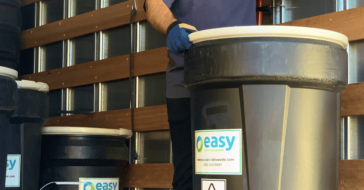
Keep Clipping Waste Separate and Labeled
Each batch of clipped plant material should be collected in designated, labeled containers. State regulators typically expect documentation showing:
- Batch number or plant tag
- Date of clipping
- Weight of waste
- Employee performing the work
- Final disposal method
Accurate tracking protects your facility during inspections.
Render Waste Unusable and Unrecognizable
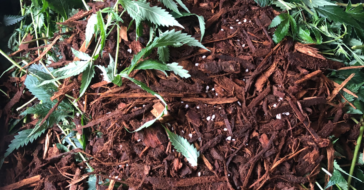
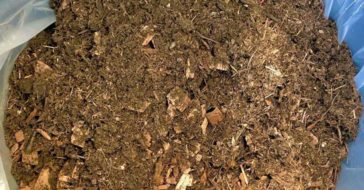
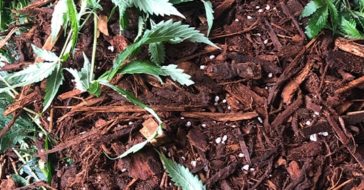
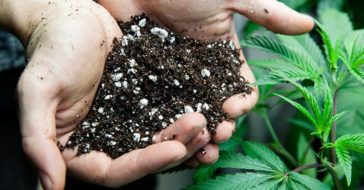
Before cannabis waste leaves the premises, it must be mixed with a non-cannabis material such as:
- Soil or compost
- Wood chips or sawdust
- Paper or cardboard waste
- Food waste
- Plastic grow media
This mixture generally must be at least 50% non-cannabis material by weight.
The goal: prevent anyone from recovering usable cannabis from the waste.
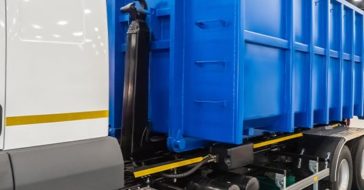
Work With a Licensed Cannabis Waste Disposal Provider
A compliant disposal partner helps growers:
- Maintain cradle-to-grave chain of custody
- Ensure correct rendering and mixing procedures
- Transport waste according to state rules
- Provide manifests and documentation
- Reduce the risk of diversion or regulatory violations
- Manage large-scale volumes efficiently
For many facilities, outsourcing disposal is more cost-effective and significantly safer than managing all waste in-house.
Use Approved Disposal Methods
Depending on state laws and available services, clipped cannabis waste may be disposed of through:
- Commercial composting (if approved)
- Landfill disposal with proper documentation
- Anaerobic digestion
- Incineration (rare, but allowed in some areas)
A disposal company can advise on which method is compliant for your region.
Don’t Ignore Environmental Concerns
Professional disposal also helps facilities stay ahead of:
- Pest control
- Odor mitigation
- Mold risk
- Facility cleanliness standards
- Worker safety regulations
Leaving piles of clipped plant material in grow rooms can raise humidity, attract fungus gnats, and create microclimates ideal for mold. Quick removal is both a compliance and plant-health priority.
Clipping Smart + Disposing Smart = A Compliant, Efficient Grow
Knowing how to clip a weed plant correctly helps commercial growers maximize yield, improve airflow, and maintain a healthy canopy. But the job doesn’t end with the cut. Properly handling and disposing of clipping waste protects your license, keeps your facility compliant, and ensures that every ounce of material – usable or not – stays within the regulated market.
A licensed cannabis environmental services partner can help your operation navigate complex regulations, streamline workflows, and maintain airtight compliance from cultivation to final waste removal.