It’s no surprise that cannabis operations, from cultivators to manufacturers and dispensaries, generate a significant amount of waste. Between plant material, packaging and chemical byproducts, cannabis businesses have a lot of waste to manage.
That’s why choosing the right cannabis waste disposal company should go beyond convenience. When looking for a local cannabis company to work with to help you manage your waste, it’s critical to partner with one that will keep your business in good legal standing.
Here’s how to find a trustworthy local cannabis disposal company and what to look for before signing on the dotted line.
Know What Qualifies as Cannabis Waste
Before you can dispose of cannabis waste properly, it’s important to understand what falls under that category. In California, cannabis waste can include:
- Unused or expired products
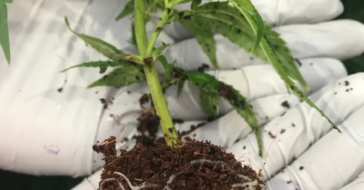
- Trimmings, stalks, leaves of cannabis and roots
- Failed batches
- Contaminated products
- Waste from infused products (chocolate, gummies)
- Hazardous materials (solvents, pesticides, cleaning agents)
The law distinguishes between cannabis waste and hazardous cannabis waste, and both have their own handling and disposal requirements. Knowing which types your facility produces will help you vet the right provider.
Why Local Matters
Working with a local cannabis waste disposal provider offers a range of benefits:
- Faster service and turnaround times
- Knowledge of local and state compliance laws
- Lower transportation costs, helping you potentially save on cannabis waste disposal fees
- Easier coordination for regular pickups or emergency disposals
Local providers are also more likely to have built relationships with local regulatory agencies, which can be helpful if you ever need documentation or compliance guidance.
Look for Proper Licensing and Certifications
Not every waste disposal company is authorized to handle cannabis materials. In California, the Department of Cannabis Control (DCC) requires that cannabis businesses dispose of waste through licensed services.

Ask prospective disposal partners:
- Are you registered with the DCC or authorized to transport cannabis waste?
- Are you permitted to handle hazardous waste, if applicable?
- Can you provide documentation of destruction or manifests as proof of compliance?
These records are vital in the event of an audit or inspection.
Verify Their Compliance Knowledge
Cannabis waste disposal is more than throwing out leftovers. Your disposal provider should understand the compliance steps required before and during destruction.
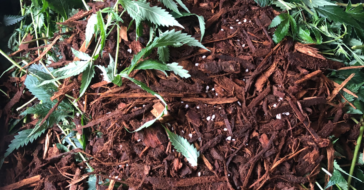
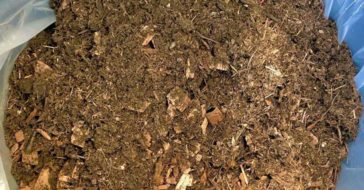
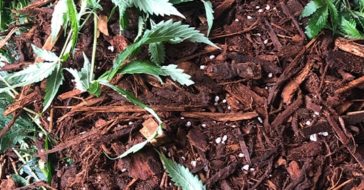
In California, waste must be rendered unusable and unrecognizable before it’s discarded. This typically means mixing cannabis waste 50/50 with other organic material like food scraps or sawdust.
Ask your provider:
- Do you assist in rendering waste unusable, or does that happen onsite?
- How do you document and report each destruction or disposal event?
- Do you follow best practices for both cannabis and hazardous waste?
If a company hesitates to answer, move on.
Evaluate Their Pickup and Disposal Options
A reliable provider should offer flexible pickup schedules and scalable options depending on your business size. Whether you operate a small boutique dispensary or a large-scale cultivation site, the service should match your volume and timing needs.
Look for:
- Scheduled pickups (weekly, monthly, on-demand)
- Secure transport methods to prevent diversion
- Proof of final destruction or end-use (composting, landfill)
Bonus: Ask if they offer container rentals or on-site training for your staff to ensure safe storage of cannabis waste before pickup.
Ask About Data Security and Chain of Custody
In many cases, cannabis waste is tracked via a chain of custody to ensure it doesn’t re-enter the market. Your disposal provider should maintain secure records and be able to trace each load from pickup to destruction.
For infused product waste (like vape pens, cartridges or edibles), your provider should also understand how to safely handle packaging and potentially hazardous components.
Consider Sustainability Practices
While compliance is mandatory, sustainability is a competitive advantage. Cannabis businesses are increasingly expected to minimize environmental impact. Disposal companies that offer eco-friendly practices, such as composting green waste or reclaiming solvents, may help your business reduce its carbon footprint and stand out to eco-conscious consumers.
Ask:
- Do you offer sustainable disposal solutions?
- Can you provide waste reduction or sustainability reporting?
- Do you support solvent recovery or recycling of packaging materials?
Get Local Referrals and Read Reviews
Word of mouth is still one of the most reliable ways to find a good provider. Ask other local cannabis businesses who they use for disposal and whether they’ve been satisfied. Online reviews and industry forums can also be a good source of candid feedback.
Pro tip: Choose a company that’s easy to communicate with. Disposal needs can shift quickly, and you want a responsive partner.
Know the Red Flags
Be wary of companies that:
- Can’t show proof of licensing or insurance
- Avoid questions about chain of custody
- Lack transparency in pricing or scheduling
- Don’t provide proper documentation or manifests
- Subcontract to unknown third parties without informing you
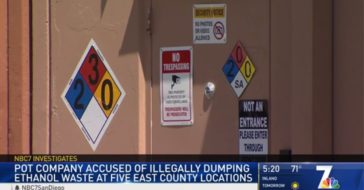
Your business is legally responsible for its waste even after it leaves your site. A careless disposal company could expose you to fines, penalties, or license suspension.
Final Thoughts: Partnering With the Right Cannabis Waste Disposal Company
Finding reliable local cannabis waste disposal companies isn’t just about hauling away unwanted material. It’s about protecting your business, your license and the community.
From compliance documentation to sustainability practices, your disposal partner should understand the unique challenges of the cannabis industry and be equipped to help you meet them head-on.
Start by asking the right questions, checking for licensing and focusing on companies with a proven track record in your area. With the right partner, waste management becomes one less thing to worry about so you can focus on growing your business.