You’ve worked hard to ensure your cannabis business is compliant. Maintaining your company’s reputation and avoiding costly penalties are a priority, and you’ve taken every step to ensure your operations meet all regulations.
You’ve worked hard to ensure your cannabis business is compliant. Maintaining your company’s reputation and avoiding costly penalties are a priority, and you’ve taken every step to ensure your operations meet all regulations.
But while you’ve ensured your operations are up to code, do you know if your partners are equally compliant?
Cannabis businesses often work with several other companies as part of the supply chain, including cannabis waste disposal companies. If a disposal company isn’t compliant, you could still be held liable for any mishandling of your waste. That’s why choosing a disposal partner who is just as diligent as you is important to meeting your own compliance efforts.
Here are some important questions to ask a cannabis waste disposal company about compliance so you can rest assured that your business remains protected from any potential risks.
Should A Disposal Company Be DCC Compliant?
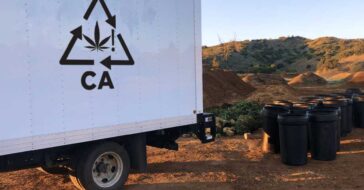
Yes, a cannabis waste disposal company should be DCC compliant. The California Department of Cannabis Control, or DCC, is the state agency responsible for regulating commercial cannabis activity in California. The agency establishes and enforces the regulations that ensure the legal cannabis market operates safely and responsibly.
The DCC covers everything from cultivation to distribution, and includes the disposal of cannabis waste. Ensuring that your disposal company is DCC compliant is crucial to protecting your business from legal risks and maintaining your standing in the industry.
.
As the largest cannabis waste hauler in both Northern and Southern California, Easy Waste Management has built a strong relationship with the DCC. We also make sure that all of our clients remain compliant with DCC regulations, whether it’s for audits, waste destruction or other requirements.
What Documentation Will You Provide to Prove Compliance?
It’s important to verify that the disposal company will provide all necessary documentation to prove compliance, such as waste manifests, certificates of destruction or any other required paperwork. This documentation is crucial in the event of an audit or inspection since it provides proof that your waste has been handled and disposed of in accordance with the law.
At Easy Waste Management, we ensure that our clients receive comprehensive documentation, including waste manifests, certificates of destruction and all other necessary paperwork to fully demonstrate that your cannabis waste has been managed in compliance.
Is Your Company Licensed and Insured for Cannabis Waste Disposal?
Ask whether the disposal company is fully licensed and insured to handle cannabis waste. This ensures that they are legally permitted to perform the work and that you are protected in case of any incidents or accidents. A reputable company should readily provide proof of their licenses and insurance coverage.
Cannabis waste can include a wide range of materials, from plant waste like stems and leaves to contaminated packaging, used cultivation supplies, and even chemical waste from pesticides and fertilizers. Given this variety, confirm that the disposal company you work with is equipped to transport and dispose of all the different types of waste your business generates. Ensuring they have the proper licenses and expertise for each type of waste will help keep your operations compliant and safe.
Should A Waste Company Provide SDS?
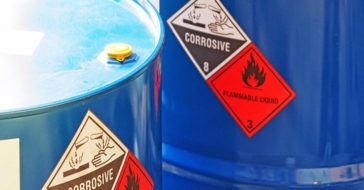
Yes, a cannabis waste disposal company should provide you with Safety Data Sheets (SDS). Safety data sheets are detailed documents that outline the properties, hazards, safe handling and emergency measures related to chemicals and hazardous materials.
In the cannabis industry, you may need safety data sheets for various chemicals used in cultivation, processing or cleaning. These documents help ensure that anyone handling these substances is aware of the risks and knows how to manage them safely, which is essential for maintaining a safe and compliant operation.
Can You Provide The Right Container Sizes For My Business?
Ensuring that your cannabis waste disposal company can provide the right container sizes for your business is important for maintaining compliance. Proper container sizes are necessary because they help you manage waste efficiently and safely, preventing overflows or improper storage that could lead to regulatory violations.
Containers that are too large may result in unnecessary costs, while those that are too small could lead to frequent pickups or unsafe waste accumulation. Having the right-sized containers ensures that your cannabis waste is stored securely and disposed of in a timely manner, helping your business stay compliant with state regulations and avoid potential fines.
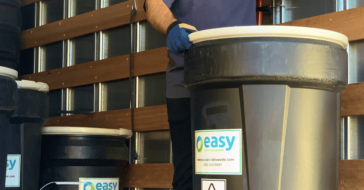
Many of our clients prefer our 55-gallon barrels, though we also have large dumpsters that are available depending on the scope of the work or waste generated. It’s important for your business to get a customized proposal that not only outlines what type of containers are recommended for your business, but the fees involved in hauling your waste as well.
Are Getting Quotes Online Effective?
Getting quotes online can be a convenient and efficient way to start exploring your cannabis waste management options, as long as you’re thorough in outlining your business’s specific needs.
Easy Waste, for example, offers free online quotes to make the process easier for you. However, it’s important to remember that an online quote is only as accurate as the information you provide. If you’re unsure about your exact requirements, the best waste management companies will go a step further by visiting your site in person.
They can collaborate with you, assess your needs firsthand, and advise you on the most effective and compliant waste solutions tailored to your business. This personalized approach ensures that your waste management plan is not only convenient but also comprehensive and compliant.