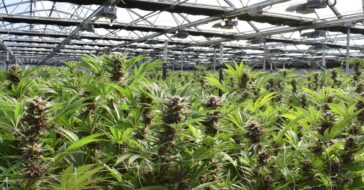
Cannabis cultivation involves several key stages, from growing and harvesting to drying, trimming and packaging. While trimming is essential for creating a high-quality final product, it also generates a significant amount of plant waste.
This organic material can’t be tossed into a standard trash bin — especially not in regulated states like California. Whether you’re a licensed cultivator, processor or vertically integrated operation, it’s critical to understand what trimming waste includes, why it must be handled properly, and how to stay compliant with cannabis waste disposal laws.
What Is Cannabis Trimming — and Why It Matters
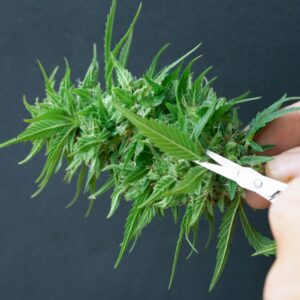
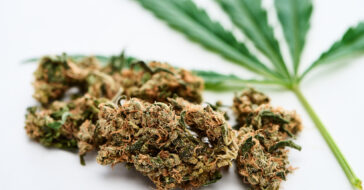
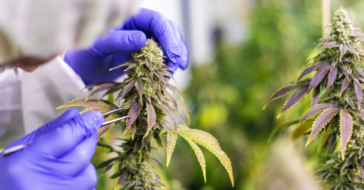
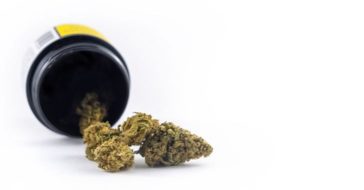
After cannabis plants are harvested and dried, they’re typically trimmed to remove excess leaves and stems, giving the buds a clean appearance and improving their market value.
Trimming can be done:
- By hand, which allows for more precise shaping and preservation of trichomes
- By machine, which is faster but can be harsher on the product
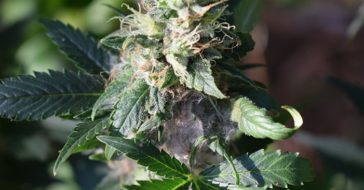
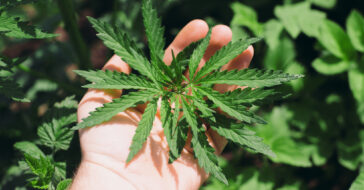
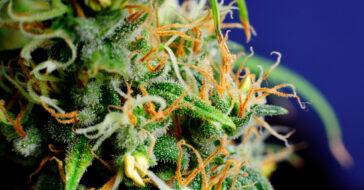
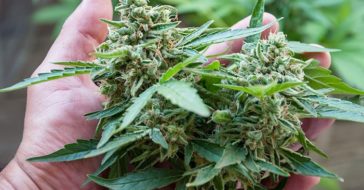
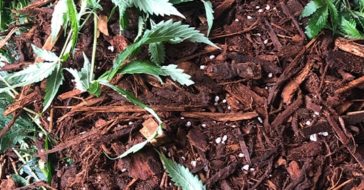
Trimmers remove sugar leaves (the small leaves coated in resin that stick out from the buds), fan leaves (larger leaves with minimal cannabinoids), and sometimes small stems or imperfect buds. This creates a more appealing and potent product, but it also produces considerable leftover material.
What Becomes Waste During the Trimming Process?
During trimming, several types of organic waste are generated, including:
Fan Leaves: Large leaves with minimal cannabinoid content are typically removed before trimming. They offer no retail value and are considered waste.
Sugar Leaves: While sugar leaves contain some trichomes, they’re often cut away to improve appearance and reduce harshness when smoked. Some facilities may collect them for extraction, but others discard them.
Stems and Small Buds: Trimmers often snip small stems or buds that don’t meet quality standards. If not used for extraction, these also become waste.
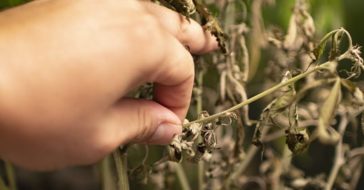
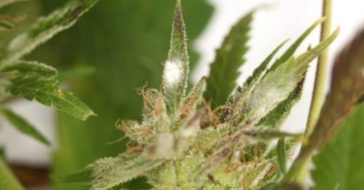
Contaminated or Moldy Material: Any plant matter that shows signs of mold or disease must be discarded immediately and documented, especially under strict cannabis compliance laws.
Why Proper Cannabis Waste Disposal Is Important
Cannabis is a heavily regulated industry. Waste that contains THC or CBD — even trace amounts — must be treated carefully to avoid diversion into the black market, prevent environmental contamination and comply with state laws.

In states like California, cannabis waste must be rendered “unusable and unrecognizable” before it is hauled away. It must also be:
- Tracked with detailed records
- Stored securely in designated waste areas
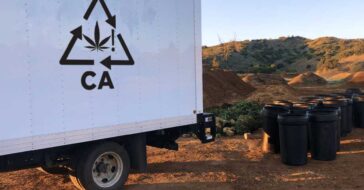
- And transported by licensed cannabis waste disposal services
Cannabis businesses also remain legally responsible for their waste from cradle to grave, meaning even after it’s handed off to a third party, they can be held accountable for improper disposal.
Disposal Options for Trimming Waste
Here’s how licensed cannabis operators can properly dispose of trimming waste:
Composting
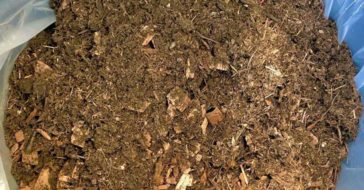
Some jurisdictions allow composting of cannabis plant material on-site or via licensed facilities. The material must be mixed with other waste like food scraps or paper to make it unusable and unrecognizable.
Rendering with Other Waste
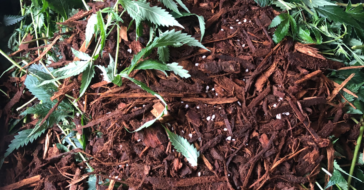
Trimming waste can be mixed with sawdust, soil, cardboard, or grease to make it non-consumable. This is often the first step before disposal via composting or landfill.
Licensed Waste Disposal Services
Most commercial growers and processors work with cannabis waste disposal companies that:
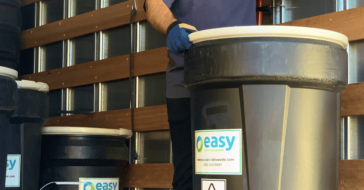
- Provide secure bins
- Ensure compliance with state and local rules
- Transport waste to licensed processing or disposal sites
- Offer documentation for your records
A reputable disposal company can also help determine whether your operation qualifies for waste reduction programs or more cost-effective pickup schedules, helping you save money while staying compliant.
Trimming Waste: A Compliance Risk If Ignored
Cannabis waste from trimming may seem harmless — it’s just leaves and stems, right? But in the eyes of regulators, this waste is treated as regulated cannabis material until it’s properly destroyed and documented. Failing to handle it according to state law can result in:
- Fines or license suspension
- Failed inspections
- And even criminal charges, especially if diverted or mismanaged
Trimming is a vital part of cannabis production, but it generates waste that can’t be ignored. Understanding what qualifies as waste — and how to dispose of it properly — is important for staying compliant and protecting both the environment and your business.
If you’re unsure about your responsibilities, work with a licensed cannabis waste disposal partner who can help you manage and document your waste from start to finish.