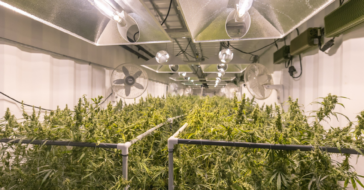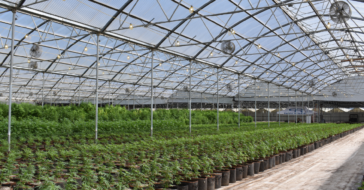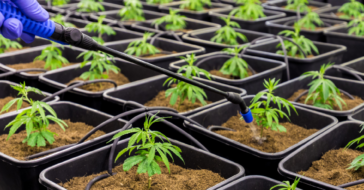
Hydroponic cultivation has become a preferred method for many commercial cannabis operations. By growing plants in a nutrient-rich water solution rather than soil, cultivators can achieve faster growth cycles, higher yields, and more precise control over plant health. However, success in hydroponics depends heavily on nutrient management.
Choosing the right hydroponic nutrients — and using them correctly — is essential not only for plant performance but also for regulatory compliance, product consistency, and waste reduction throughout the production cycle.
Why Nutrient Selection Matters in Hydroponic Cannabis Cultivation
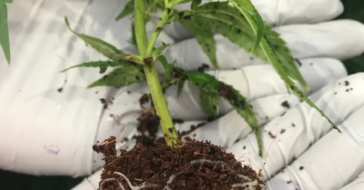
In hydroponic systems, nutrients are the plant’s sole source of essential minerals. Unlike soil, which can buffer nutrient imbalances, hydroponic setups require careful formulation and monitoring. Even small mistakes can quickly lead to deficiencies, toxicities, or crop failure.
For commercial growers, nutrient selection impacts:
- Growth rate and plant vigor
- Flower development and cannabinoid production
- Consistency across harvests
- Operating costs and waste generation
The “best” nutrients are those that support healthy plants while minimizing risk, inefficiency, and regulatory issues.
Core Nutrients Required for Cannabis Growth
Commercial hydroponic nutrient programs are typically divided into macronutrients and micronutrients.
Macronutrients include:
- Nitrogen (N): Supports vegetative growth and leaf development
- Phosphorus (P): Essential for root development and flowering
- Potassium (K): Aids in water regulation, disease resistance, and overall plant health
Secondary macronutrients such as calcium, magnesium, and sulfur are equally important, especially in hydroponic systems where deficiencies can appear quickly.
Micronutrients — including iron, manganese, zinc, copper, boron, and molybdenum — are required in smaller amounts but are critical for enzymatic processes and nutrient uptake.
A balanced formulation that accounts for all these elements is key to successful commercial cultivation.
Vegetative vs. Flowering Nutrient Profiles
Commercial cannabis cultivation typically uses different nutrient ratios depending on the growth stage.
- Vegetative stage: Higher nitrogen levels promote leaf and stem growth.
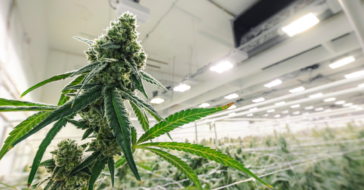
- Flowering stage: Increased phosphorus and potassium support bud development and resin production.
Using stage-appropriate nutrient blends helps maximize yield and quality while reducing stress that can lead to pest issues, disease, or testing failures.
Liquid vs. Dry Hydroponic Nutrients
Both liquid and dry nutrient formulations are commonly used in commercial cannabis operations.
Liquid nutrients offer ease of mixing and are often favored for smaller or highly controlled systems. However, they can be more expensive and require greater storage capacity.
Dry nutrients are more cost-effective at scale, offer longer shelf life, and reduce packaging waste. They do require precise mixing and quality control, but many large operations prefer them for consistency and efficiency.
The best choice depends on operation size, staffing, and infrastructure.
The Importance of Water Quality and Monitoring
Even the best nutrient formulations can fail if water quality is poor. Hydroponic growers must monitor:
- pH levels
- Electrical conductivity (EC)
- Total dissolved solids (TDS)
- Temperature and oxygen levels
Improper nutrient uptake can lead to plant stress, nutrient lockout, or excess runoff — all of which can increase waste and reduce profitability.
Avoiding Overfeeding and Nutrient Waste
One of the most common mistakes in hydroponic cannabis cultivation is overfeeding. Excess nutrients do not translate into better yields and can actually damage plants.
Overfeeding can lead to:
- Nutrient burn
- Salt buildup
- Reduced cannabinoid production
- Increased waste from discarded nutrient solutions
Commercial growers benefit from nutrient programs that emphasize precision, monitoring, and gradual adjustments rather than aggressive feeding schedules.
Nutrient Issues and Compliance Risks
Poor nutrient management can indirectly lead to regulatory problems. Stressed plants are more susceptible to pests and disease, increasing the likelihood of pesticide use or mold contamination — both of which can cause products to fail testing.
In severe cases, nutrient-related issues can result in:
- Entire crops failing quality assurance tests
- Unsellable flower or biomass
- Mandatory product destruction
At that point, cannabis waste management becomes an unavoidable operational concern.
Managing Nutrient Waste in Cannabis Operations
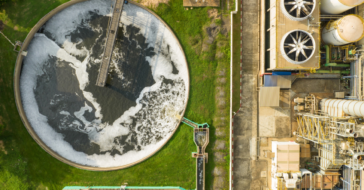
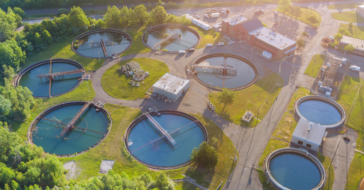
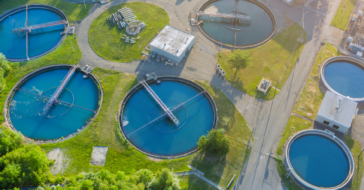
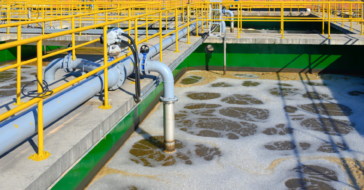
Hydroponic cultivation generates waste beyond plant material, including spent nutrient solutions, contaminated biomass, waste water, and failed product batches. Many jurisdictions regulate how this waste must be handled and documented.
Licensed cannabis waste disposal companies help ensure:
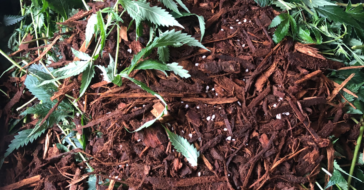
- Plant material is rendered unusable and unrecognizable
- Disposal complies with state and local regulations
- Chain-of-custody records are maintained
- Environmental risks from nutrient runoff are minimized
Some operations may also explore sustainable waste solutions, such as solvent recovery or alternative disposal pathways, depending on the nature of the waste and regulatory allowances.
Building a Smarter Nutrient Strategy
The best hydroponic nutrients for commercially grown cannabis are those that support consistent plant health, align with operational scale, and reduce downstream risks. A smart nutrient strategy doesn’t end at feeding schedules — it extends to waste planning, compliance, and environmental responsibility.
By pairing precise nutrient management with a compliant cannabis waste disposal plan, commercial growers can protect their crops, their licenses, and their bottom line.