Pesticide use in cannabis cultivation is a complex and highly regulated issue. Growers face constant pressure from pests, molds, and diseases that can damage crops and reduce yields, yet many conventional agricultural pesticides are prohibited for use on cannabis. Understanding the most common pesticides found in cannabis, why they are used, and how they are regulated is essential for cannabis businesses operating in legal markets.
Equally important is knowing what happens when cannabis products fail pesticide testing — and how proper waste management protects both public health and regulatory compliance.
Why Pesticides Are Used in Cannabis Cultivation
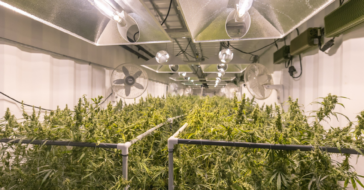
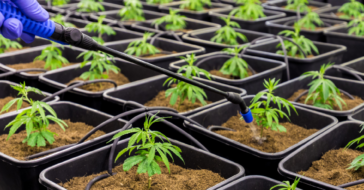
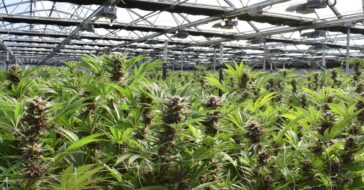
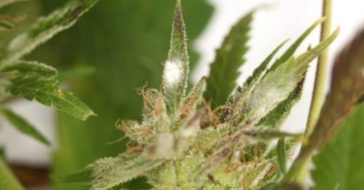
Cannabis plants are vulnerable to a wide range of pests and pathogens, including spider mites, aphids, thrips, fungus gnats, and molds like powdery mildew. In dense indoor grow environments, infestations can spread quickly and devastate crops if not controlled.
Pesticides are used to:
- Protect plant health
- Prevent yield loss
- Maintain crop quality
- Reduce the spread of pests and disease
However, because cannabis is consumed through inhalation or ingestion, pesticide safety standards are often stricter than those applied to other crops.
Cannabis-Specific Pesticide Regulations
Unlike federally regulated crops, cannabis exists in a patchwork of state-level regulations. Each state maintains its own list of approved and prohibited pesticides, as well as action limits for pesticide residues.
Many states require:
- Testing for dozens of pesticide compounds
- Zero tolerance for certain chemicals
- Mandatory product destruction if limits are exceeded
As a result, even unintentional contamination — such as pesticide drift or cross-contamination from equipment — can cause products to fail testing.
Common Pesticides Found in Cannabis Testing
Below are some of the most commonly detected pesticide categories in cannabis testing, including both permitted and prohibited substances.
1. Myclobutanil
Myclobutanil is a fungicide commonly used in conventional agriculture to control powdery mildew. While effective, it is prohibited in most cannabis markets because it can produce toxic byproducts when heated and inhaled.
Despite restrictions, myclobutanil continues to appear in cannabis testing results, often due to legacy use, contaminated clones, or unapproved treatments.
2. Bifenazate
Bifenazate is an acaricide used to control spider mites. Some states allow its use under specific conditions, while others prohibit it entirely. Even in jurisdictions where it is allowed, strict residue limits apply.
Exceeding those limits can result in failed testing and mandatory disposal.
3. Spinosad
Spinosad is derived from naturally occurring soil bacteria and is often considered a “softer” pesticide option. It is used to control thrips, caterpillars, and other insects.
While allowed in some states, spinosad still carries residue limits and must be used carefully to avoid testing failures.
4. Pyrethrins and Pyrethroids
Pyrethrins are naturally derived from chrysanthemum flowers, while pyrethroids are their synthetic counterparts. These compounds are used to manage a variety of insect pests.
Regulatory treatment of these substances varies widely. Some forms may be permitted, while others are banned or subject to extremely low tolerance thresholds.
5. Abamectin
Abamectin is a potent insecticide and miticide commonly used in agriculture but widely prohibited in cannabis cultivation. It is frequently flagged in failed pesticide tests due to its persistence and toxicity.
Even trace amounts can render cannabis products unsellable.
How Pesticide Contamination Happens
Pesticide contamination isn’t always the result of intentional misuse. Common causes include:
- Using unapproved products
- Misunderstanding state regulations
- Cross-contamination from shared equipment
- Pesticide drift from nearby agricultural operations
- Contaminated soil or growing media
- Incoming clones or plants carrying residues
Because cannabis is tested at the end of the production cycle, contamination discovered late can be especially costly.
The Consequences of Failed Pesticide Testing
When cannabis products fail pesticide testing, the implications are serious. Failed products are typically placed on hold and reported to regulatory authorities. In many cases, remediation is limited or not allowed at all.
Consequences may include:
- Mandatory product destruction
- Financial losses from unsellable inventory
- Compliance investigations
- Damage to brand reputation
For finished flower and infused products, disposal is often the only compliant path forward.
The Role of Cannabis Waste Management
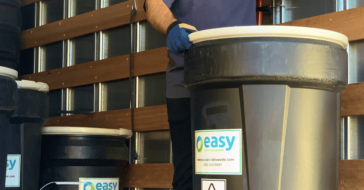
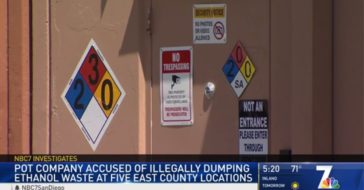
Pesticide-contaminated cannabis must be handled as regulated waste. Improper disposal can pose environmental risks and create compliance violations if product is diverted or mishandled.
Licensed cannabis waste disposal companies ensure that:
- Contaminated products are securely transported
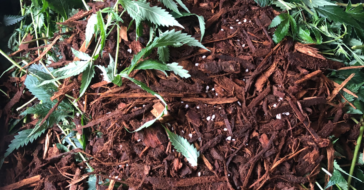
- Cannabis is rendered unusable and unrecognizable
- Destruction follows state-mandated protocols
- Chain-of-custody documentation is maintained
- Certificates of destruction are provided for audits
Proper waste management protects businesses from regulatory penalties while ensuring that unsafe products never reach consumers.
Reducing Risk Through Integrated Planning
While no cultivation operation is immune to pest pressures, proactive planning can reduce both pesticide risks and waste-related losses. This includes:
- Staying current on approved pesticide lists
- Implementing integrated pest management (IPM) strategies
- Training staff on compliant pesticide use
- Testing early to identify issues before harvest
- Establishing relationships with compliant waste disposal providers
By integrating pesticide management and waste management strategies into daily operations, cannabis businesses can respond more effectively when challenges arise.
Compliance, Safety, and Responsibility
Understanding the most common pesticides found in cannabis — and the risks they pose — is essential for operating responsibly in a regulated market. When products fail testing, proper cannabis waste disposal is not just a regulatory requirement, but a critical safeguard for public health and environmental protection.
Partnering with knowledgeable testing laboratories and licensed cannabis waste management providers helps ensure that when problems occur, they are handled swiftly, safely, and in full compliance with the law.