For cannabis cultivators, distributors and dispensaries, maintaining product quality is both a safety issue and a matter of good business. Moldy cannabis cannot be sold to consumers, and handling it improperly can pose significant health risks as well as legal liabilities.
But how do you identify mold on weed, and, most importantly, what do you do with it once you discover it?
What Does Mold On Weed Look Like?
Mold, a type of fungus, can grow on cannabis when conditions are right … typically when humidity is too high or the product is stored improperly. Mold can appear at any stage, from cultivation to final packaging, and failing to catch it early can lead to widespread contamination.
Visual Signs of Mold:
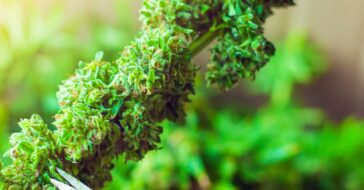
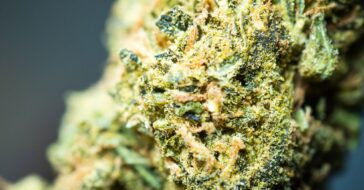
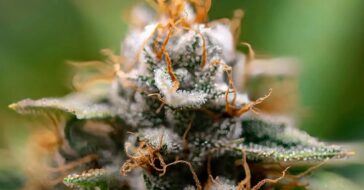
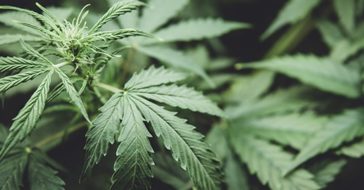
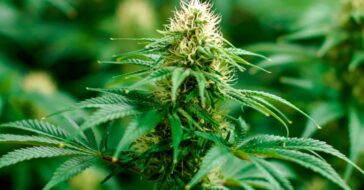
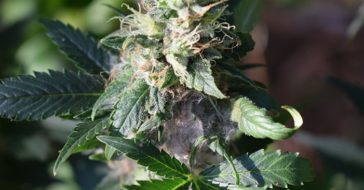
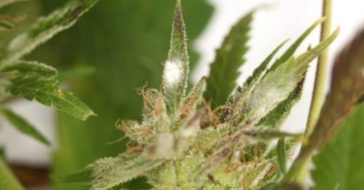
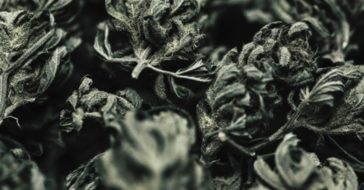
- White, Gray or Green Fuzz: Mold often appears as a fuzzy growth on the surface of cannabis buds. White powdery mildew is a common example.
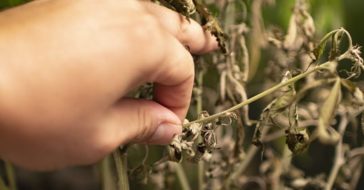
- Black or Brown Spots: Some molds appear as dark spots on leaves or buds. These areas may feel slightly damp or brittle.
- Unusual Coloration: Buds that suddenly look off-color, with grayish or brown patches where none existed before, may be affected.
Textural Changes:
- Moldy buds may feel spongy, wet or unusually soft compared to healthy cannabis, which should be dense but dry to the touch.
- Some molds, like powdery mildew, leave a fine powdery coating that can flake off easily.
Odor:
- Mold often produces a musty, earthy or sour smell that is distinct from the natural aroma of cannabis. If a batch smells “off,” it warrants closer inspection.
Microscopic Inspection:
- For businesses, routine lab testing is critical. Microscopic examination and lab tests can detect mold spores that are not visible to the naked eye, ensuring compliance with state regulations and protecting consumers.
What Causes Mold On Cannabis?
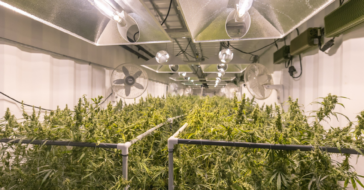
Mold develops on cannabis when environmental conditions allow fungal spores to thrive. High humidity, poor airflow and excess moisture during cultivation, drying or storage create the perfect environment for mold growth.
Overwatering plants, insufficient ventilation in grow rooms or storing buds in airtight containers without proper curing can all contribute to mold formation. Fluctuations in temperature or prolonged exposure to damp conditions can weaken the plant material and make it more susceptible to fungal contamination as well.
Even a small amount of mold can spread quickly, which is why monitoring environmental conditions and handling cannabis properly at every stage is critical for preventing contamination.
Why Is Moldy Cannabis A Serious Concern?
Mold spores contain mycotoxins that can be harmful when inhaled, ingested or applied topically. Common health risks include:
- Respiratory issues, particularly in immunocompromised individuals
- Allergic reactions, ranging from mild irritation to severe responses
- Contamination of other inventory, leading to financial losses
From a business standpoint, failing to detect and remove mold can lead to product recalls, fines and damage to your brand’s reputation. Mold is highly contagious; a single contaminated batch can quickly affect an entire inventory if not managed correctly.
How Can I Prevent Mold?
The best defense against mold is prevention. Cannabis businesses should implement rigorous protocols throughout cultivation, processing, and storage:
- Humidity Control: Maintain relative humidity below 60% during drying and storage.
- Air Circulation: Ensure proper airflow in grow rooms and storage areas to minimize stagnant, moisture-prone zones.
- Temperature Management: Keep cultivation and storage areas within the recommended temperature range for cannabis to prevent mold proliferation.
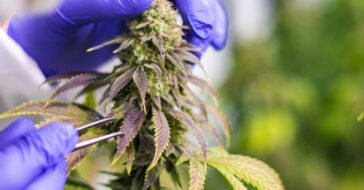
- Regular Inspections: Conduct routine checks for visual signs of mold, particularly during drying and curing processes.
- Lab Testing: Incorporate microbial testing to detect mold spores before product distribution.
Even with strict controls, mold can still appear, particularly in high-moisture climates or if a batch is compromised. That’s why understanding proper disposal is critical.
What If Mold Is Detected?
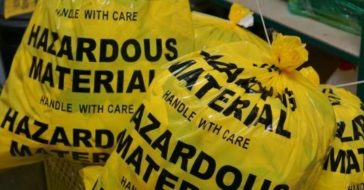
Once mold is detected, the affected product must be immediately removed from inventory and rendered unusable. Disposing of moldy cannabis is not just about tossing it in the trash; improper disposal can create legal and environmental risks, particularly in states with strict cannabis regulations.
4 Steps for Safe Disposal
- Segregate Affected Product: Immediately separate moldy cannabis from clean inventory to prevent cross-contamination.
- Document the Batch: Record the batch numbers, weight, and reason for disposal to maintain compliance with regulatory reporting requirements.
- Follow State Regulations: Each state has specific rules for cannabis waste disposal. These may include requirements for destruction methods, witnessing by regulators, or submission of disposal reports.
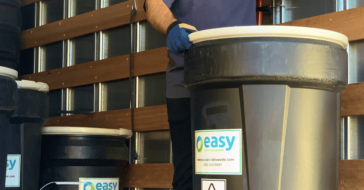
- Use a Licensed Cannabis Disposal Company: Partnering with a professional disposal service ensures that your waste is handled according to state laws and environmental guidelines. Licensed services offer secure destruction, proper documentation, and environmentally responsible handling of waste, protecting your business from fines or liability.
Methods of Disposal
- Incineration: Commonly used for large volumes, this method safely destroys moldy cannabis.
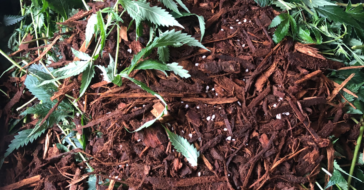
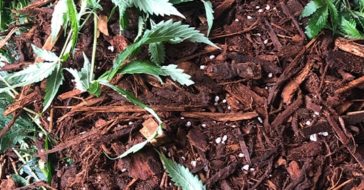
- Composting (Where Allowed): Some states permit composting, though it must be done under controlled conditions to prevent mold spores from spreading.
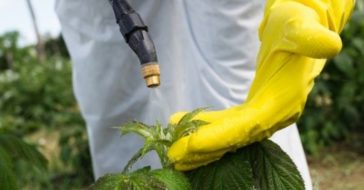
- Chemical Deactivation: Certain services use chemical treatments to neutralize the active compounds in cannabis before disposal.
Benefits of Using a Professional Disposal Service
Working with a licensed cannabis disposal company has several advantages:
- Compliance Assurance: These companies understand state regulations and ensure your business remains in full compliance.
- Documentation and Reporting: Proper recordkeeping is essential for audits, inspections, and internal quality control.
- Risk Mitigation: Professional services prevent contamination of other products and minimize health risks to staff handling moldy cannabis.
- Environmental Responsibility: Licensed disposers follow environmentally safe methods, preventing pollutants or biohazards from entering landfills or waterways.
For cannabis businesses, mold is a compliance and health concern. Recognizing the signs of mold, taking preventive measures and disposing of contaminated products correctly are essential steps to protect your customers, your staff and your business.
Partnering with a licensed cannabis disposal company ensures that your moldy cannabis is removed safely, securely and in accordance with all state regulations. By treating mold as a serious operational priority, you safeguard your inventory, your brand, and the health of everyone involved in your business.