Sometimes cannabis products don’t pass compliance testing. If your product fails, it’s important to not only understand why so you can correct any potential problems, but to also know what your options are next.
In many cases, proper disposal may be the best (or even the only) option to stay in compliance and avoid regulatory penalties. Let’s talk about why cannabis products fail compliance tests, your options and how a disposal company that specializes in cannabis waste can ensure your business remains compliant.
Why Cannabis Products Fail Compliance Tests
Cannabis products undergo a range of rigorous laboratory tests to ensure they meet safety, potency and quality standards mandated by state laws and regulatory agencies. However, despite your best efforts, cannabis products may fail compliance tests.

Here are some common types of compliance tests your cannabis products may face, and potential reasons for failure:
- Potency Testing: Measures the levels of THC, CBD and other cannabinoids to verify accurate labeling. Products may fail if cannabinoid levels fall outside allowable ranges.
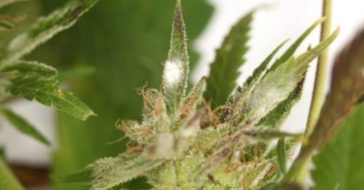
- Microbial Contamination Testing: Detects harmful bacteria, molds, yeast or fungi. Failures often happen due to poor cultivation or storage conditions.
- Pesticide Screening: Identifies residual pesticides that may be unsafe for consumption. Detectable pesticide residues above legal limits cause failure.
- Heavy Metals Testing: Checks for contaminants such as lead, arsenic, cadmium and mercury. These can accumulate in plants from contaminated soil or water.
- Residual Solvents Analysis: Ensures solvent levels in concentrates or extracts are within permissible limits. Improper extraction methods can lead to elevated solvent residues.
- Mycotoxins and Other Toxins: Detects toxic byproducts from molds or environmental contamination.
- Foreign Matter Inspection: Examines products for physical contaminants like hair, plastic or dirt.
Failing any of these tests means your product cannot legally be sold or distributed. Now you must make a decision of what to do next, which could involve reprocessing the products or completely discarding them.
What To Do Next: Rectifying Failed Cannabis Tests
Once a cannabis product fails testing, your path forward depends on the type and severity of the failure, along with local regulations. Common ways to address the issue include:
- Reprocessing or Reusing: In some cases, products with minor potency or labeling issues may be reprocessed, reformulated or blended to meet compliance. Extracts failing residual solvent tests might be purified or distilled again.
- Retesting: If contamination or testing errors are suspected, a second sample may be tested to verify results before proceeding with disposal.
- Destruction and Disposal: Products failing safety tests such as microbial contamination, pesticides or heavy metals typically must be destroyed to prevent distribution.
- Quarantine: Some products can be isolated from inventory while investigating or awaiting retesting results.
- Documentation and Reporting: Compliance agencies usually require detailed records of failed tests, actions taken and disposal methods. Accurate documentation helps protect your license and business reputation.
Even if destruction and disposal isn’t the option you choose, partnering with a knowledgeable compliance and disposal provider can help you navigate any of these choices efficiently to ensure your business meets all legal requirements.

The Cannabis Disposal Process: What to Look for in a Disposal Company
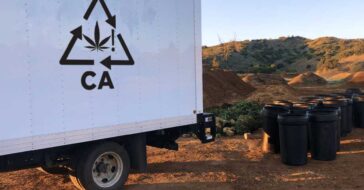
If any of the cannabis tests your products undergo fail, you may have to dispose of these products. However, simply discarding products in a trash can won’t keep you in compliance. That’s where certified cannabis waste disposal companies come in.
Here are key factors to consider when selecting a cannabis disposal company:
- Licensed and Certified: Ensure the company holds the necessary state licenses and certifications for handling and disposing of cannabis waste.
- Compliance Expertise: The disposal provider should be familiar with all relevant state cannabis regulations, including “cradle-to-grave” tracking and manifest requirements.
- Secure Transportation and Storage: Products must be transported and stored securely to prevent diversion or environmental contamination.
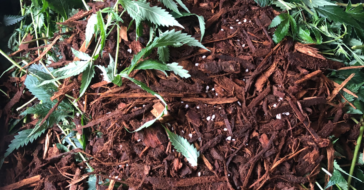
- Environmentally Responsible Methods: Look for companies that use approved destruction methods such as incineration, chemical neutralization or composting that meet environmental standards.
- Chain of Custody Documentation: A reputable disposal company provides detailed records tracking waste from your facility through final destruction, protecting you from regulatory penalties.
- Timely and Transparent Service: Choose a partner who offers fast turnaround, clear communication and transparent pricing to avoid costly delays or confusion.
A good disposal provider will also help you understand your obligations, assist with regulatory reporting and offer solutions tailored to your situation.
Final Thoughts
Failing a cannabis compliance test can be stressful, but understanding the testing process, your options for remediation and the proper disposal steps will help you maintain compliance and protect your business.
Partnering with experienced compliance and disposal experts ensures you handle failed products safely, legally and responsibly … keeping your operations on track in this highly regulated industry.