The cannabis industry has grown rapidly in recent years, moving from a niche market to a highly regulated and respected part of the economy. At the center of this evolution are cannabis dispensaries, or licensed retail establishments where consumers can purchase cannabis products for medical or recreational use.
While dispensaries are best known for selling flowers, edibles and other cannabis products, their operations go far beyond sales. Running a dispensary requires compliance with strict regulations covering security, recordkeeping and proper cannabis waste disposal.
Understanding how dispensaries work reveals the level of care and accountability that drives the legal cannabis industry forward.
What Is a Dispensary?
A cannabis dispensary is a state-licensed retail business that sells cannabis and cannabis-derived products directly to consumers. Some dispensaries are designated for medical use, serving patients with qualifying conditions and a medical marijuana card.
Others are licensed for recreational use, allowing any adult over the legal age – typically 21 – to purchase cannabis products.
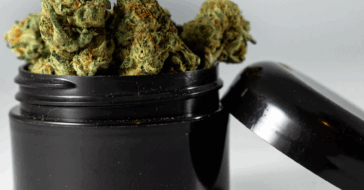
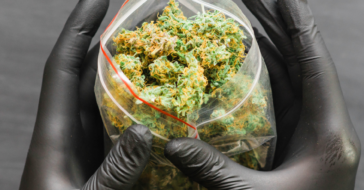
Dispensaries offer a wide range of items, including dried flowers, concentrates, tinctures, topicals, capsules and edibles. Each product must meet state testing requirements to ensure safety, potency and accurate labeling.
Inside, customers are often greeted by trained employees who help them choose products that fit their needs or desired experience. Unlike traditional retail stores, dispensaries operate in a tightly controlled environment designed to ensure safety, compliance and transparency. Every sale, shipment and inventory movement is tracked through state-approved systems to prevent diversion into the illegal market.
How Dispensaries Operate

Behind the scenes, dispensaries follow an extensive list of operational rules. These can vary by state, but generally include:
- Licensing and permits: Dispensaries must obtain local and state approval before opening.
- Inventory tracking: Most states require the use of a seed-to-sale tracking system, which logs every gram of cannabis from cultivation through sale or disposal.
- Security protocols: High-value inventory and controlled substances require advanced surveillance, restricted access and alarm systems.
- Employee training: Staff must understand laws regarding ID checks, purchase limits, product handling and safety procedures.
- Recordkeeping: Detailed documentation is required for every transaction, shipment and disposal process.
These safeguards protect not only consumers but also dispensary owners by ensuring they remain compliant with state and local laws.
Dispensaries and Cannabis Waste Management
One of the most important aspects of running a dispensary is managing cannabis waste. Every dispensary generates some form of waste, whether it’s expired products, damaged packaging, spilled material or unsold inventory that must be destroyed.
Unlike standard retail waste, cannabis waste cannot simply be thrown away. Because cannabis remains a controlled substance, states require dispensaries to follow specific disposal procedures to prevent misuse, contamination or environmental harm.
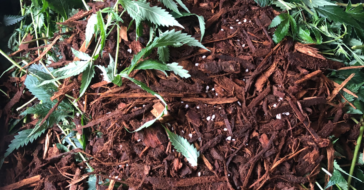
In California, cannabis waste must be rendered “unusable and unrecognizable” before it leaves the facility. This typically means mixing cannabis with non-consumable materials such as soil, cat litter or food waste until the mixture is no longer retrievable.
Once that’s done, the waste can be sent to an approved landfill, composting facility, or incineration site, depending on state regulations.
Why Proper Cannabis Waste Disposal Matters
Proper cannabis waste management is about maintaining the integrity of the entire industry. Mishandled waste can lead to serious consequences, including fines, license suspension and damage to a dispensary’s reputation.

There are also environmental and public safety concerns. Improper disposal can result in:
- Environmental contamination: Chemical residues and packaging materials can pollute soil and water.
- Diversion risks: Discarded but usable cannabis may find its way into the illegal market.
- Data exposure: Packaging often includes barcodes and tracking labels that could compromise supplier or customer information.
Because of these risks, many dispensaries work with licensed cannabis waste disposal companies. These specialists ensure waste is handled, transported and destroyed in accordance with all applicable regulations.
Working with a professional cannabis waste management partner allows dispensaries to maintain compliance and focus on their core business operations. A licensed waste disposal provider can:
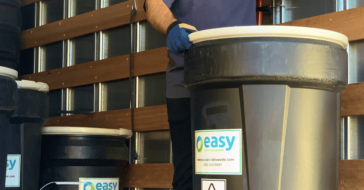
- Supply compliant storage containers for on-site waste collection.
- Handle transportation and destruction under proper manifests and tracking documentation.
- Provide a complete chain of custody, ensuring accountability from pickup to final disposal.
- Assist with audits and training, helping staff stay up to date on regulatory changes.
By outsourcing waste management, dispensaries reduce liability and gain confidence that their compliance requirements are fully met. From cultivation to sale to disposal, every step is governed by strict standards designed to protect public health, prevent diversion and support environmental responsibility.
As the cannabis industry continues to evolve, proper waste disposal will remain a cornerstone of compliance and sustainability. Whether a dispensary serves medical patients or recreational consumers, maintaining responsible waste management practices reinforces its commitment to safety, professionalism and community trust.