“Pure cannabis” is a term that gets thrown around a lot, whether it’s on product labels, in dispensary marketing or among enthusiasts.
But what does “pure cannabis” really mean?
From cultivation practices to chemical refinement, the phrase, “pure cannabis,” can take on different meanings depending on context. For businesses operating in California’s highly regulated cannabis market, understanding what counts as “pure” goes hand in hand with strict compliance rules, especially when it comes to product handling, processing and waste disposal.
What Does “Pure Cannabis” Really Mean?
Despite its common usage, “pure cannabis” has no formal legal or scientific definition. Instead, it’s a flexible term that tends to reflect one or more of the following:
- Lack of Additives: Cannabis that hasn’t been mixed with synthetic ingredients, cutting agents or other non-cannabis substances.
- Minimal Processing: Whole-plant or minimally refined cannabis products are sometimes labeled “pure” to appeal to consumers seeking a more natural option.
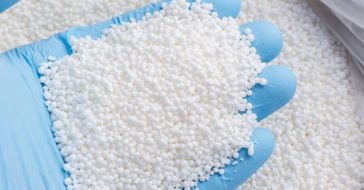
- Isolated Cannabinoids: On the other end of the spectrum, extremely refined THC or CBD isolates are described as “pure” due to their 99%+ cannabinoid content.
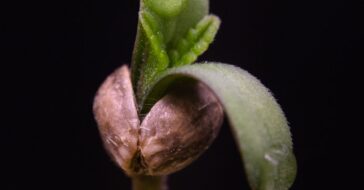
- Genetic Authenticity: Some use “pure” to describe cannabis strains that are not hybrids—landrace or heirloom varieties considered genetically unaltered.
Because the term isn’t regulated, “pure” can sometimes be misleading. It’s important for consumers and businesses alike to understand what’s actually in the product, and how it’s been handled from seed to sale.
Forms of Pure Cannabis
“Pure” cannabis can appear in several forms, each appealing to different segments of the market. Here are a few common examples:
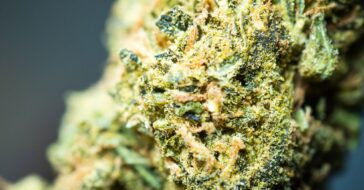
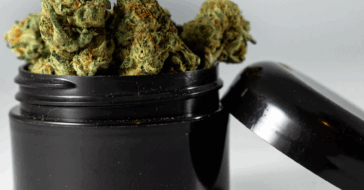
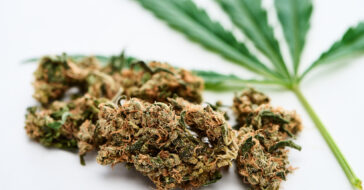
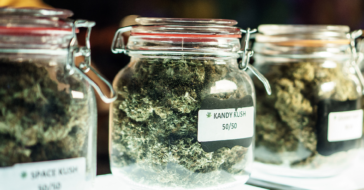
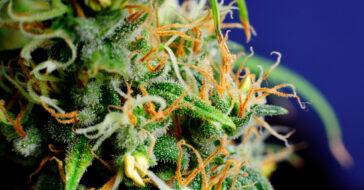
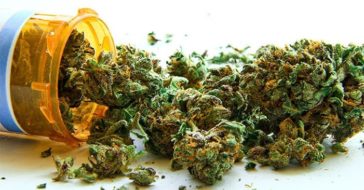
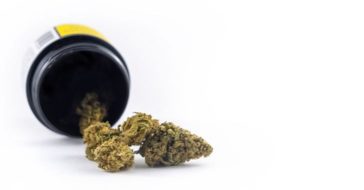
Whole Flower

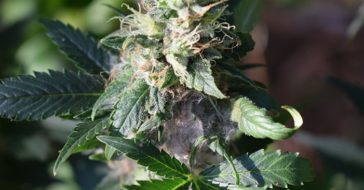
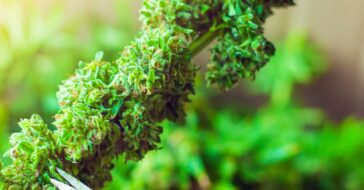
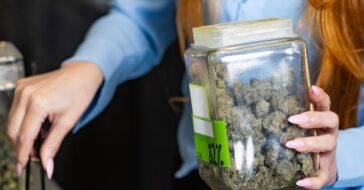
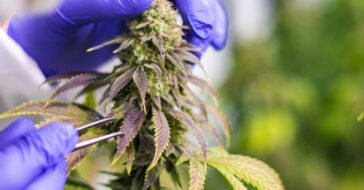
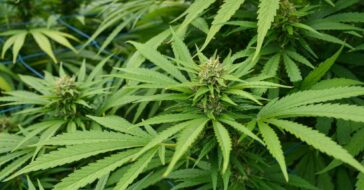
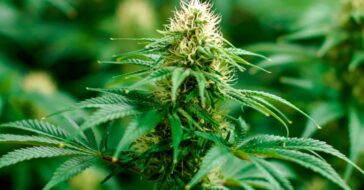
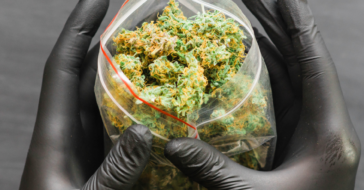
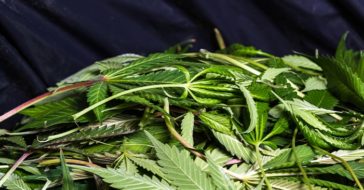
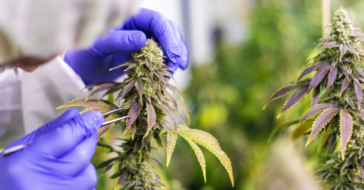
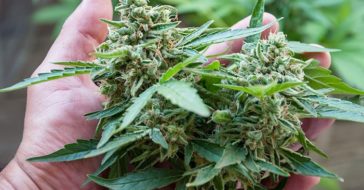
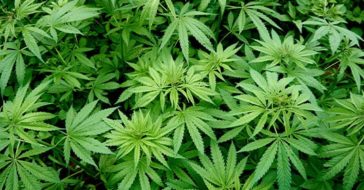
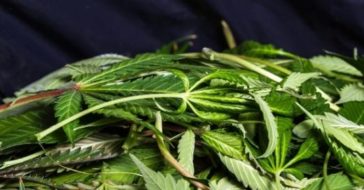
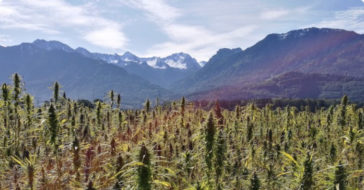
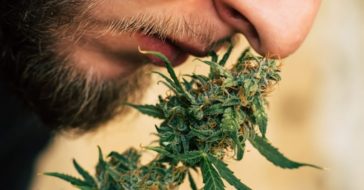
Cannabis flower labeled as pure is often organically grown, free from synthetic fertilizers and pesticides. Cultivators may also highlight that the plant is a landrace strain or non-GMO.
Concentrates and Extracts
- Isolates: CBD or THC isolates contain 99%+ of a single cannabinoid. These are ideal for users who want precise dosing with no additional plant compounds.
- Distillates: These are highly refined extracts that contain concentrated THC or CBD, often stripped of terpenes and other cannabinoids.
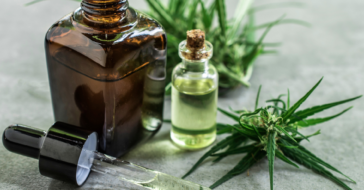
- Live Rosin or Full-Spectrum Extracts: Solventless extractions and full-spectrum oils are sometimes called “pure” because they maintain more of the plant’s original chemical profile, though they aren’t single-cannabinoid products.
Each of these forms has a place in the market depending on whether the user prioritizes potency, purity, or a natural experience.
Purity, Potency and Quality: Not the Same Thing
While purity can be an important factor, it’s not the only metric that matters.
- Purity refers to how free a cannabis product is from contaminants or additives. A pure THC isolate, for example, contains very little else besides THC.
- Potency describes the strength of the psychoactive or therapeutic effects. A “pure” product might not be the most potent if it lacks other beneficial compounds.
- Quality includes growing conditions, harvesting methods, and overall cannabinoid and terpene balance.
For example, a product that includes the full spectrum of cannabinoids and terpenes (even if it isn’t 99% pure THC or CBD) may actually be more effective for some medical patients due to the entourage effect, or where multiple cannabis compounds work synergistically.
How Is Cannabis Purity Achieved?
Whether the end goal is pure flower or a refined concentrate, purity starts with proper cultivation and continues through meticulous processing. Common methods include:
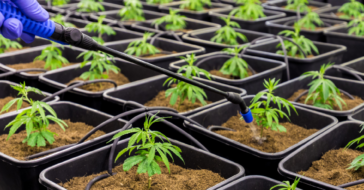
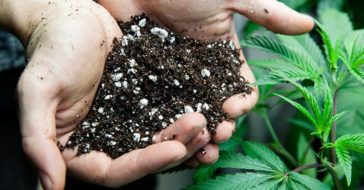
Organic Growing Practices
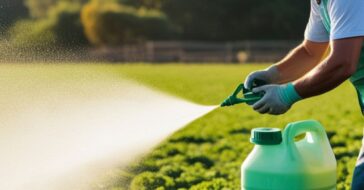
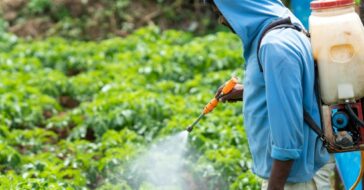
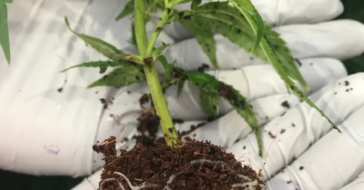
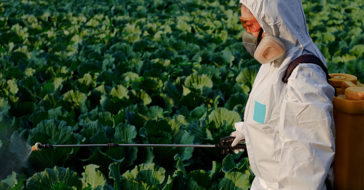
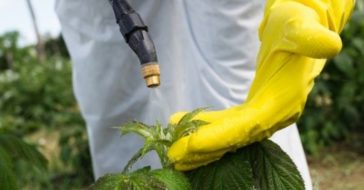
Cultivating cannabis without synthetic pesticides, herbicides, or growth hormones preserves its natural profile and appeals to health-conscious consumers.
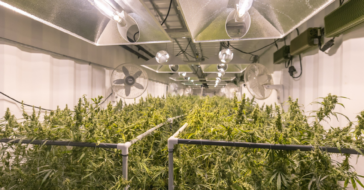
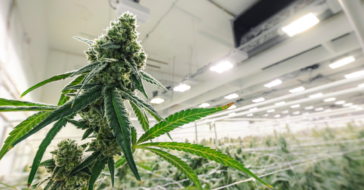
Controlled Environments
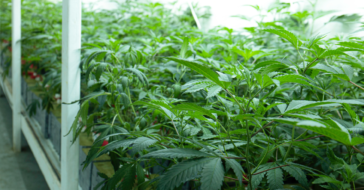
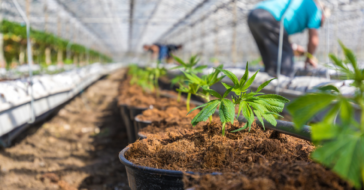
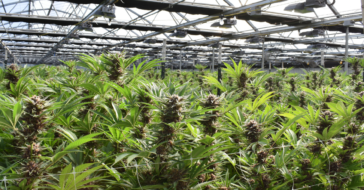
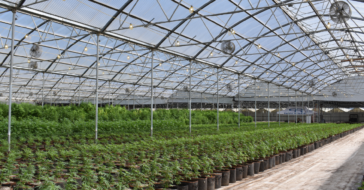
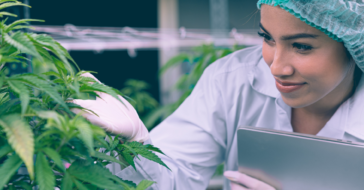
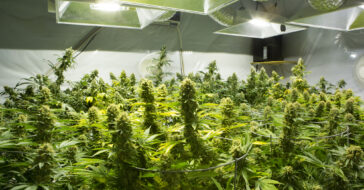
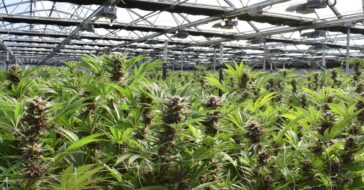
Indoor growing environments allow cultivators to control every aspect of the plant’s life cycle, reducing the chance of contamination from pests or mold.
Precision Extraction
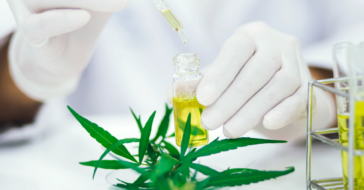
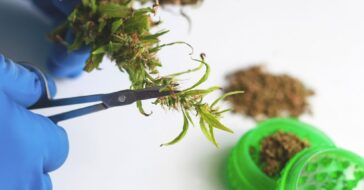
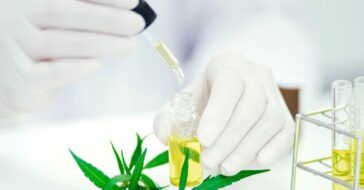
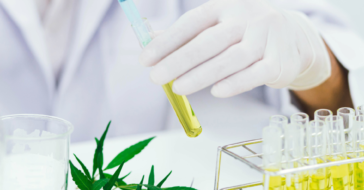
Methods like CO₂ extraction or rosin pressing are used to produce cleaner concentrates. Isolates and distillates undergo further refinement, often in labs, to remove unwanted compounds.
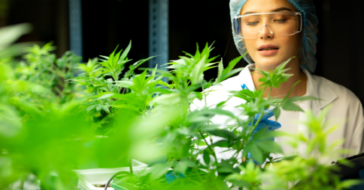
Lab Testing and Verification
Purity must be verified through third-party lab testing, which looks for:
- Cannabinoid profiles
- Pesticide residues
- Heavy metals
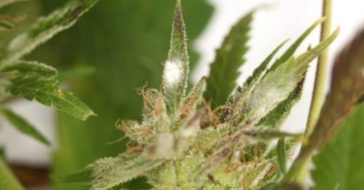
- Microbial contaminants
- Solvent residue
In California, lab testing is mandatory before products reach the consumer market, making transparency about purity a legal requirement.
Purity and Compliance: Why Waste Management Matters in California
In California, businesses are held to strict standards throughout the lifecycle of cannabis, including how they handle waste generated from cultivation, manufacturing and retail operations.

Even “pure” cannabis becomes waste if:
- A product fails testing
- It’s expired or damaged
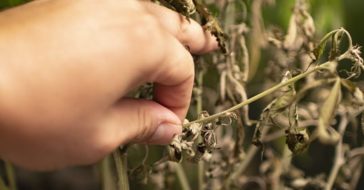
- Excess plant material is trimmed during cultivation
- Extracts or concentrates are spilled or spoiled during processing
In California, all cannabis waste must be:
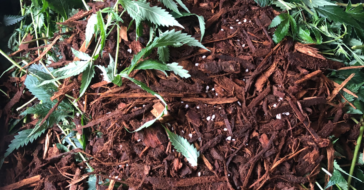
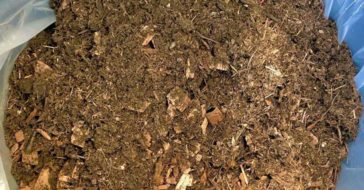
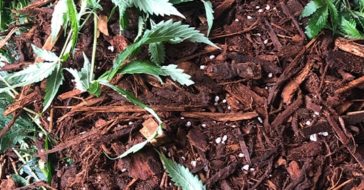
- Rendered Unusable and Unrecognizable (by mixing with non-cannabis waste like sawdust or cat litter)
- Tracked in METRC or other state-approved systems
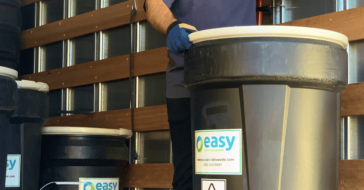
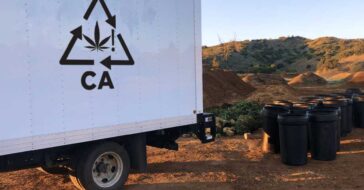
- Disposed through a licensed cannabis waste disposal company or approved facility
Any failure to comply can lead to fines, license suspension or revocation, and criminal liability. The irony is that purer products may generate purer waste. For example:
- THC or CBD isolates that don’t meet compliance thresholds can’t just be discarded with regular lab waste.
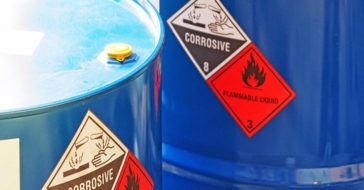
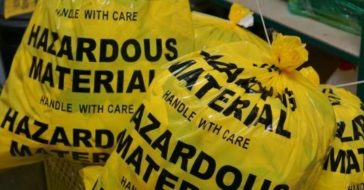
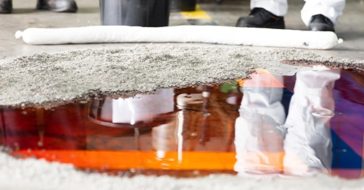
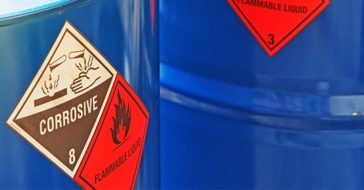
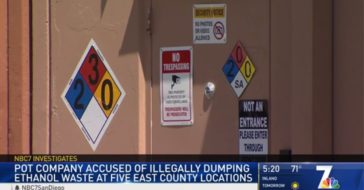
- Solvent waste from extractions must be handled as hazardous waste.
- “Organic” trimmings and expired flower still count as cannabis waste and must be rendered unrecognizable.
Cannabis businesses in California must work with licensed disposal providers who understand both state cannabis regulations and environmental laws governing hazardous and organic waste. Failing to do so puts both the company’s license and the broader environment at risk.
The Need for Transparency
The idea of “pure cannabis” resonates with consumers who want transparency, quality and safety in their products. But for businesses in California, purity also demands accountability from cultivation to extraction to final disposal.
Understanding what makes cannabis “pure” isn’t just about cannabinoids and lab reports. It’s about how products are grown, processed and ultimately discarded. In a state with some of the nation’s strictest cannabis regulations, managing every stage including waste isn’t optional. It’s a matter of doing business.