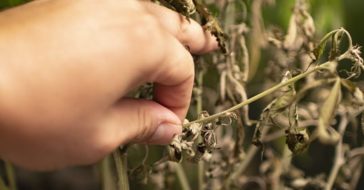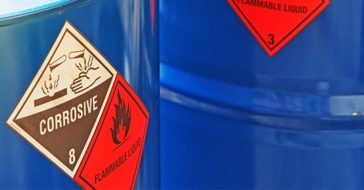
Powdery mildew is one of the most common — and most frustrating — fungal diseases faced by cannabis cultivators. Whether you’re growing indoors, in a greenhouse, or outdoors, powdery mildew can appear quickly and spread aggressively, compromising plant health, yields, and ultimately product quality.
Understanding what powdery mildew is, why it develops, and how to manage and dispose of affected plant material properly is critical for both compliance and crop protection.
What Is Powdery Mildew?
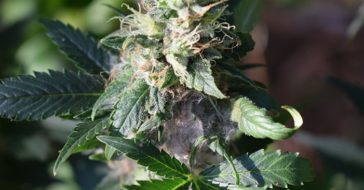
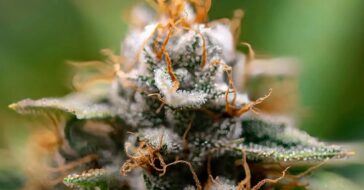
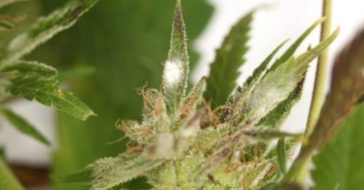
Powdery mildew is a fungal disease caused by several species of fungi, most commonly Golovinomyces and Podosphaera. It appears as a white or gray powdery substance on cannabis leaves, stems, and sometimes buds. Unlike many plant pathogens, powdery mildew does not require standing water to thrive. Instead, it flourishes in environments with high humidity, poor air circulation, and moderate temperatures.
On cannabis plants, powdery mildew often begins on lower leaves or shaded areas and spreads upward. Early detection is key, as the fungus can reproduce rapidly through airborne spores, infecting nearby plants before growers realize there’s a problem.
Why Powdery Mildew Is a Serious Issue for Cannabis Growers
While powdery mildew may look like a cosmetic issue at first, it can have serious consequences:
- Reduced photosynthesis: The fungal growth blocks light absorption, weakening the plant.
- Lower yields: Infected plants divert energy away from flower development.
- Product rejection: Cannabis contaminated with powdery mildew often fails quality control testing.
- Regulatory risk: In legal markets, mold-contaminated cannabis may be deemed unsellable and must be destroyed according to state regulations.
For commercial growers, even a small outbreak can lead to significant financial losses if not addressed quickly and correctly.
Common Causes of Powdery Mildew in Cannabis Cultivation
Powdery mildew tends to appear when environmental conditions are out of balance. Common contributing factors include:
- High humidity: Especially levels above 55–60% during vegetative or flowering stages
- Poor air circulation: Stagnant air allows spores to settle and spread
- Inconsistent temperatures: Cool nights followed by warm days can promote fungal growth
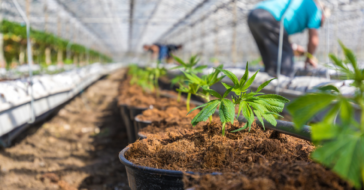
- Crowded plants: Dense canopies reduce airflow and light penetration
- Contaminated equipment or clones: Spores can hitch a ride on tools, clothing, or incoming plants
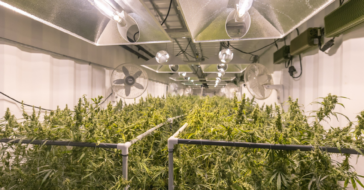
Indoor grows are particularly vulnerable because conditions are tightly controlled — and any imbalance can create the perfect environment for powdery mildew to thrive.
How to Identify Powdery Mildew Early
Early detection can make the difference between a manageable issue and a full crop loss. Signs to watch for include:
- White, chalky spots on leaves
- Leaves that appear dusty or coated in flour
- Yellowing or curling foliage
- Slowed growth or weakened stems
It’s important not to confuse powdery mildew with residue from foliar sprays or nutrient buildup. A simple test is to gently rub the area — powdery mildew typically smears or reappears, while residue may wipe away completely.
How to Get Rid of Powdery Mildew on Weed
Once powdery mildew is identified, swift action is essential.
- Isolate affected plants
Immediately remove infected plants from healthy ones to limit spore spread. - Adjust environmental conditions
Lower humidity, increase airflow, and maintain stable temperatures. Dehumidifiers, oscillating fans, and proper HVAC maintenance can significantly reduce fungal pressure. - Prune infected areas
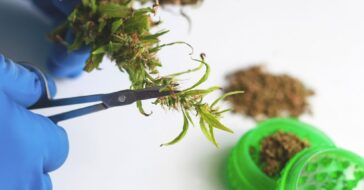
Carefully remove affected leaves and branches using sanitized tools. Avoid shaking plants, which can release spores into the air. - Use approved treatments
Depending on your cultivation stage and local regulations, treatment options may include:
- Potassium bicarbonate sprays
- Biological fungicides
- Hydrogen peroxide-based products
- Sulfur (vegetative stage only, with caution)
Always verify that any treatment used is compliant with cannabis regulations in your state.
- Deep clean the grow space
After addressing an outbreak, thoroughly clean surfaces, tools, and equipment to prevent reinfection.
When Powdery Mildew Means Crop Loss
In some cases, especially during flowering, powdery mildew may be too widespread to treat effectively. Mold-contaminated cannabis flower is often unsafe for consumers and typically cannot be remediated. At this point, destruction becomes the responsible — and legally required — course of action.
This is where proper cannabis waste management becomes critical.
The Importance of Proper Cannabis Waste Disposal
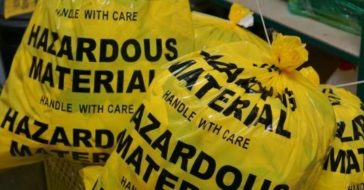
Cannabis contaminated with powdery mildew is considered regulated waste in most legal markets. Improper disposal can result in fines, license violations, or even suspension of operations. Regulations often require that unusable cannabis be rendered unrecognizable and unusable before disposal, and that the process is documented and verifiable.
Working with a licensed cannabis waste disposal company ensures that contaminated plant material is:
- Handled safely and securely
- Destroyed in compliance with state and local regulations
- Properly documented with certificates of destruction
- Prevented from re-entering the market
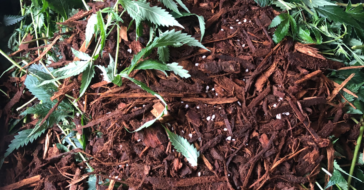
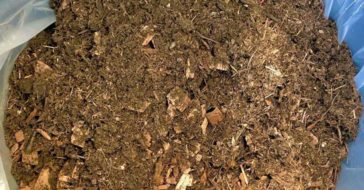
In some cases, certain non-flower materials may be eligible for alternative waste solutions such as composting or energy recovery, depending on jurisdiction and contamination level. Knowledgeable cannabis waste services can help determine the most compliant and sustainable option.
Prevention Is Key — But Planning Matters
While preventing powdery mildew through environmental control and good cultivation practices should always be the goal, outbreaks can still occur. Having a waste management plan in place before problems arise can save time, money, and stress when difficult decisions must be made quickly.
By understanding powdery mildew, acting swiftly to control outbreaks, and partnering with a compliant cannabis waste disposal provider, growers can protect their operations, maintain regulatory standing, and minimize long-term impact on their business.