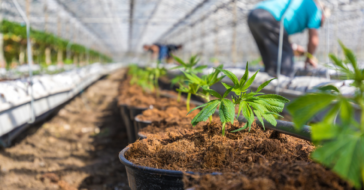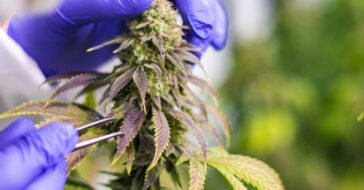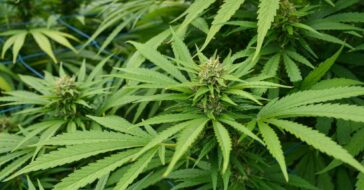
Every stage of the cultivation process is governed by strict rules, including how to handle cannabis seedlings that don’t make it past the early stages of growth.
Whether due to poor germination, genetic selection or compliance with plant count limits, cannabis seedlings often need to be discarded. But even at this early stage, improper disposal can put a grower at risk of serious compliance violations.
Understanding when cannabis seedlings become waste and how to properly dispose of them is important for staying compliant, maintaining security and protecting your license.
When Do Cannabis Seedlings Become Waste?
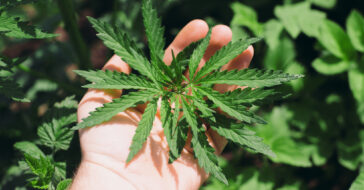
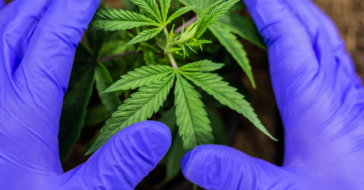
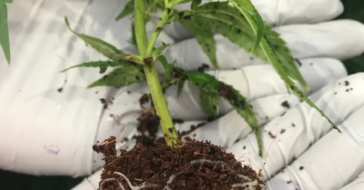
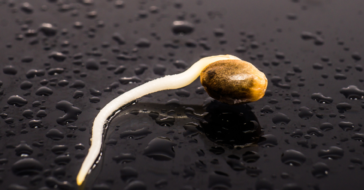
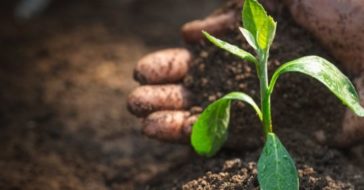
While seedlings may be small, they are legally considered cannabis plants once they emerge from their seeds and develop roots. That means they fall under the same waste regulations as more mature plants.

There are several reasons a cultivator might need to discard seedlings:
- Unhealthy or unviable seedlings: Not every seed germinates successfully, and not all seedlings develop properly. If a plant is too weak to thrive or shows early signs of disease, it may need to be culled.
- Excess plants: Most jurisdictions place limits on how many cannabis plants a licensed operation can grow at a time. If more seeds are started than are legally allowed, growers must destroy the extras to stay within the permitted count.
- Genetic or sex selection: Cultivators seeking specific traits or female-only plants often start multiple seeds and eliminate those that don’t meet their criteria. Male plants, in particular, are often discarded early to prevent pollination.
- Contamination or pest risk: If seedlings are exposed to mold, pests or pathogens, it’s usually best practice to remove and destroy them early to prevent the issue from spreading to the rest of the crop.
Any of these scenarios can lead to a buildup of cannabis waste. How that waste is handled can make the difference between clean compliance and costly violations.
What It Means for Cannabis Seedlings to Be Regulated Waste
Because cannabis seedlings are considered part of the cannabis plant life cycle, they are subject to cannabis waste disposal requirements once they are deemed no longer viable or necessary. From the moment a seedling is pulled from production, it must be treated as regulated waste.
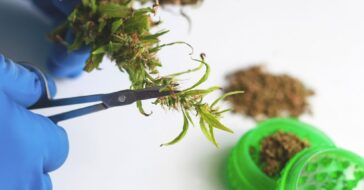
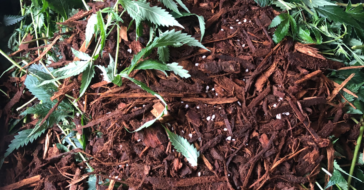
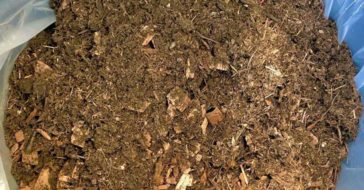
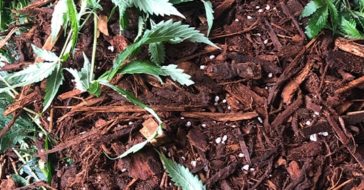
In most states, that means rendering the plant material “unusable and unrecognizable” before disposal. This usually involves grinding the seedlings and mixing the resulting material with non-cannabis waste, such as sawdust, soil or other inert substances. This mixture must then be securely stored and transported in compliance with state and local rules.
Tracking is also a critical part of cannabis waste disposal. Discarded seedlings must be recorded in the state’s seed-to-sale tracking system, with the amount, reason for disposal and method all clearly documented. Failing to report this waste accurately can trigger audits, fines or even revocation of a cultivation license.
Even though seedlings may seem low-risk compared to harvested flowers or processed concentrates, they are still considered cannabis products under the law. Any misstep in handling or reporting their disposal can be viewed as a regulatory infraction.
Why Proper Disposal Matters
Following cannabis waste laws protects your operation from compliance penalties. Regulators take waste management seriously because it directly relates to preventing diversion (the illegal redirection of cannabis into the black market). Improper disposal of seedlings, even those without psychoactive properties, can raise red flags.
Good waste practices also protect the integrity of your product. By quickly removing unhealthy or excess seedlings, you lower the risk of spreading disease or pests to healthy plants. You also reduce clutter and make more efficient use of space and resources.
There are environmental concerns to consider as well. Cannabis cultivation can generate significant organic waste, and disposing of it improperly can lead to contamination or noncompliance with local sanitation laws. Using a compliant disposal process ensures that waste is handled in a way that aligns with environmental standards.
That’s why it’s so important to work with a regulated cannabis waste management company. These companies understand the specific requirements of your state’s cannabis program and are equipped to manage everything from on-site pickup to documentation and reporting.
When researching cannabis waste disposal companies, look for:
- State and local licensing: Ensure the company holds all necessary permits to handle and transport cannabis waste legally in your jurisdiction.
- Experience with cannabis regulations: Choose a company familiar with seed-to-sale tracking, waste manifest requirements and local cannabis laws.
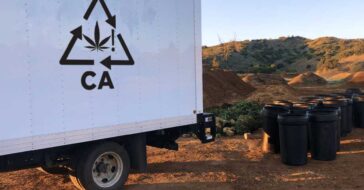
- Secure transportation and disposal methods: Confirm they use secure vehicles, proper containment and environmentally responsible disposal techniques.
- Documentation and reporting: Look for providers who offer detailed, compliant record-keeping to help you maintain audit-ready waste logs.
- Flexible service options: Whether you need one-time pickups or ongoing waste management, find a company that can accommodate your operation’s size and schedule.
- Reputation and references: Check reviews, ask for client references and verify their standing with regulatory agencies if possible.
A qualified disposal partner ensures your seedling waste is handled securely and legally, giving you peace of mind and helping you stay focused on growing.