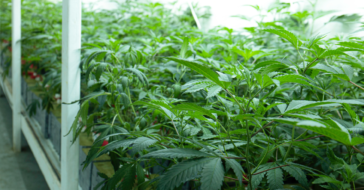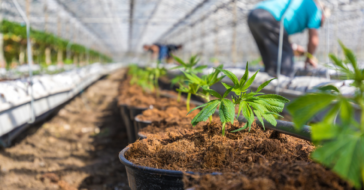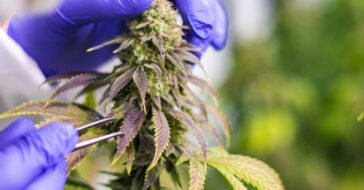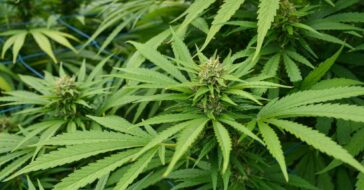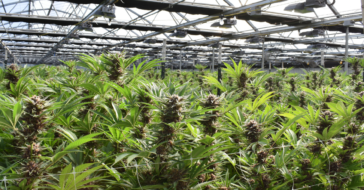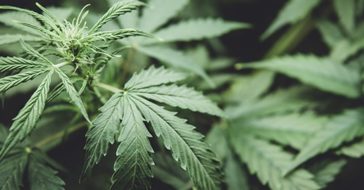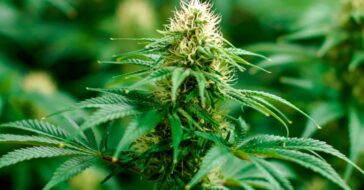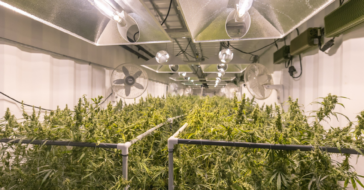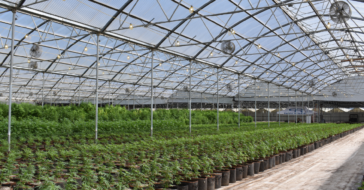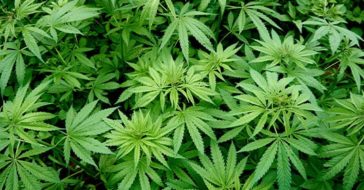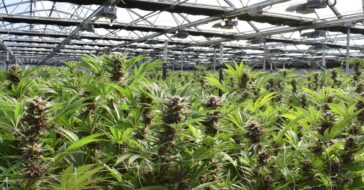
Indoor cannabis cultivation has gained significant popularity in recent years, driven by the desire for a controlled growing environment that can yield high-quality crops year-round.
This method of cultivation offers several advantages, including protection from external weather conditions, precise control over growing conditions, and the ability to maximize production within a limited space.
However, these benefits come with their own set of unique challenges.
Addressing these challenges is crucial not only for your success but also for ensuring environmental sustainability and regulatory compliance. Here are some of the most common challenges and solutions that you may face as an indoor grower in California.
Indoor Growing Cannabis Challenges
Although indoor cannabis cultivation offers many benefits, from controlled growing conditions to year-round production, this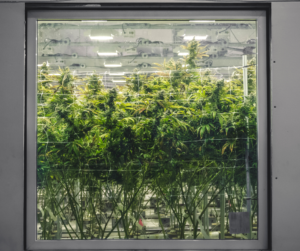 business type can present several challenges as well. Growers should address these challenges to ensure their operations remain successful and sustainable.
Understanding these common obstacles is the first step toward implementing effective solutions. Here are some common problems growers face when growing marijuana or cannabis indoors.
Environmental Control
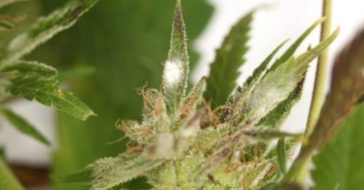
Temperature and Humidity Regulation: Maintaining optimal temperature and humidity levels is critical for healthy cannabis growth. Inadequate regulation can lead to mold, mildew and pest infestations, compromising crop quality and yield.
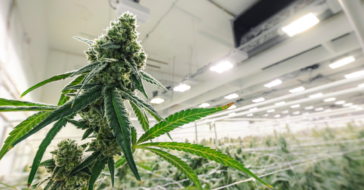
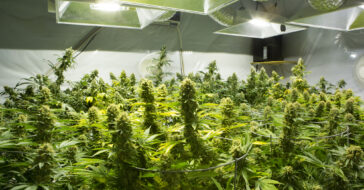
Lighting Requirements: Proper lighting is essential for photosynthesis and growth. Different stages of cannabis growth require varying light intensities and spectra, making lighting a complex but crucial factor. High energy consumption, heat generation and the cost of advanced grow lighting systems can present challenges for growers.
Waste Management
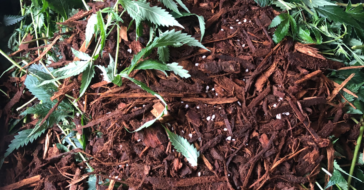
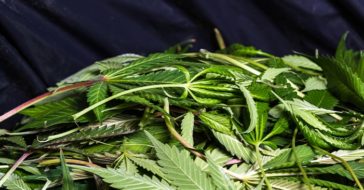
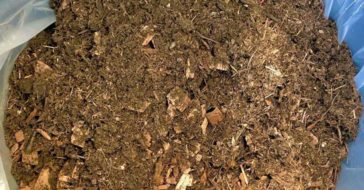
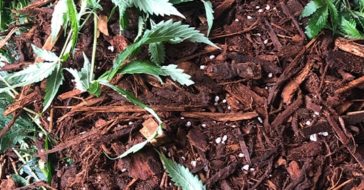
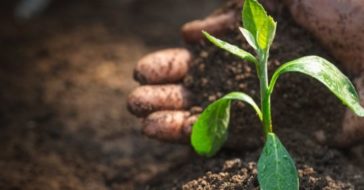
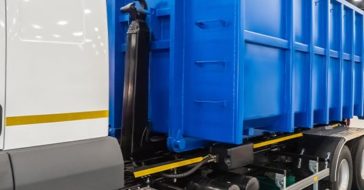
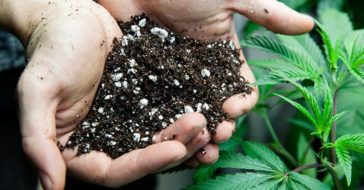
Organic Waste: Indoor cannabis cultivation generates significant organic waste, including plant material, soil and nutrient runoff. Especially if you have large volumes of plant waste, you’ll likely need to work with waste management companies to ensure the proper disposal of these highly regulated types of organic waste. Proper disposal is necessary to prevent environmental harm and ensure compliance with regulations.
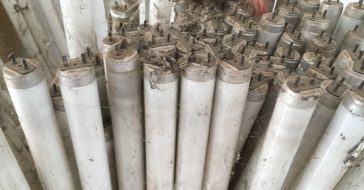
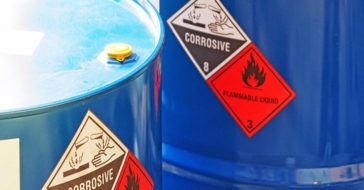
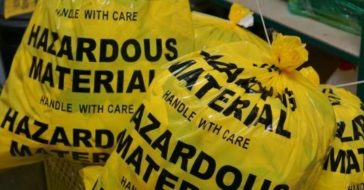
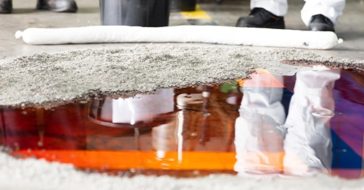
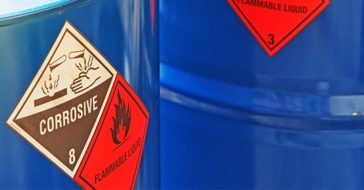
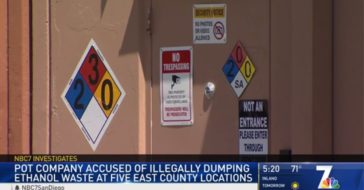
Chemical Waste: The use of pesticides, fertilizers and cleaning agents generates chemical waste that needs to be handled and disposed of safely to prevent environmental contamination. Cannabis waste and hazardous waste are highly regulated in California to avoid potential environmental pollution.
Water Usage And Quality
High Water Demands: Cannabis plants require substantial amounts of water, and ensuring a consistent supply of high-quality water is essential for healthy growth. Additionally, managing water runoff and preventing contamination are critical concerns. If you operate in an area with limits on water usage, you may run the risk of water scarcity as well.
Pest and Disease Control
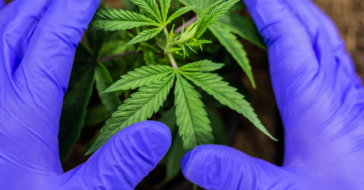
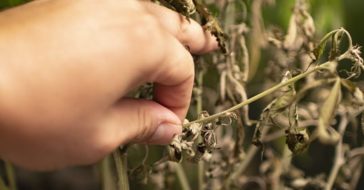
Preventing Pests: Indoor environments can be susceptible to pests and diseases, which can spread rapidly in a controlled space. Effective pest and disease management is crucial to protect crops and ensure high yields.
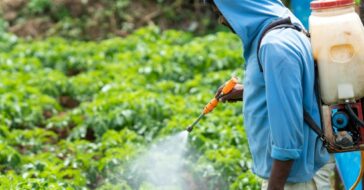
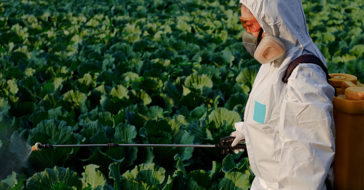
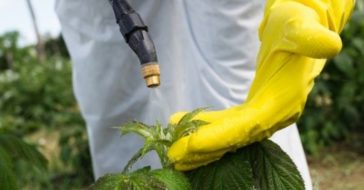
Chemicals to Prevent Pests: Choosing which chemicals can prevent pests but aren’t harmful to plants can be challenging. As you grow cannabis, you often need to maintain a sterile environment, which both pests and chemicals can prevent.
Legal and Regulatory Compliance
A Complex Legal Landscape: Navigating the complex and evolving legal landscape of cannabis cultivation can be daunting. California has some of the strictest cannabis waste disposal requirements on the books, from waste water treatment to how to dispose of marijuana plants. There are also specific regulations that govern cannabis in California and where businesses are allowed to operate.
Staying on Top of Regulations: Growers must stay informed about local, state and federal regulations to remain compliant and avoid legal issues. Cannabis industry news is constantly buzzing with changes in the pipeline, so it’s important for businesses to prepare for any potential changes.
Economic Challenges
High Initial Setup: The high initial setup and ongoing operational costs of indoor cannabis cultivation can be significant. Balancing these costs with market pricing and competition requires strategic planning and resource management.
Market Fluctuations: There are also market fluctuations that you may have to contend with if you plan to grow cannabis indoors. Combined with competition pressures, market fluctuations can cause a lot of uncertainty when it comes to the long-term outlook of your business.
Indoor Growing Cannabis Solutions
Environmental Control
Temperature and Humidity Regulation: Growers can implement automated climate control systems that use sensors to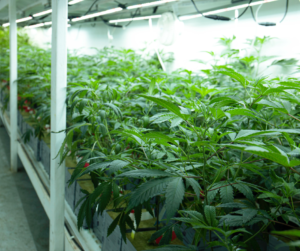 monitor and adjust temperature and humidity levels continuously. These systems ensure that environmental conditions remain within ideal ranges when it comes to air circulation and temperature in the indoor grow room. Investing in high-quality HVAC (heating, ventilation and air conditioning) systems that have the necessary components like carbon filters can help maintain consistent indoor conditions, providing a stable environment for cannabis plants to thrive.
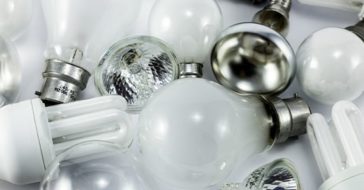
Lighting Requirements: Proper lighting is essential for photosynthesis and growth. Different stages of cannabis growth, from the vegetative stage to the flowering stage, require varying light intensities and spectra, making lighting a complex but crucial factor in a grow space. Growers can switch to energy-efficient LED lighting systems, which offer customizable light spectra and intensities while consuming less power and generating less heat.
Using light timers and dimmers can further optimize energy usage, reducing costs and improving efficiency in the grow tent or building. Incorporating reflective materials in the grow room can also enhance light distribution, ensuring plants receive adequate light at all growth stages.
Waste Management
Organic Waste: Proper disposal is necessary to prevent environmental harm and ensure compliance with regulations. Growers can work with certified waste management companies that specialize in handling organic cannabis waste to ensure proper disposal. Composting plant waste and recycling soil can turn waste into valuable resources as well, reducing disposal costs and environmental impact.
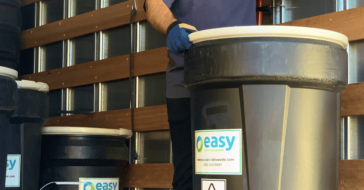
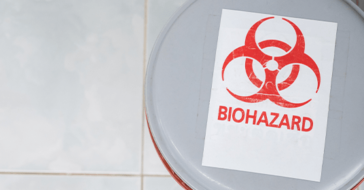
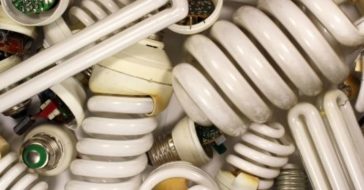
Chemical Waste: The use of pesticides, fertilizers and cleaning agents generates chemical waste that needs to be handled and disposed of safely to prevent environmental contamination. Properly training staff on handling and disposing of chemical waste according to local regulations is crucial. Partnering with hazardous waste disposal services ensures that all chemical waste is managed responsibly as well, minimizing the risk of environmental pollution and regulatory violations. (More on this later.)
Water Usage and Quality
High Water Demands: Cannabis plants require substantial amounts of water, and ensuring a consistent supply of high-quality water is essential for healthy growth. Managing water runoff and preventing contamination are also critical concerns.
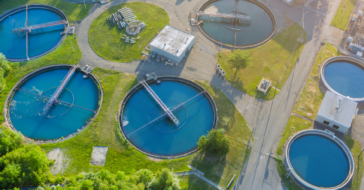
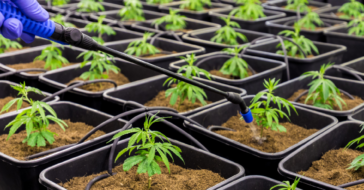
Growers can implement water-efficient irrigation systems, such as drip irrigation or recirculating hydroponic systems, to reduce water usage. These systems recycle water, ensuring it is used efficiently and minimizing waste. Installing advanced water filtration and purification systems ensures the water quality remains high, preventing contamination and promoting healthy plant growth.
Pest and Disease Control
Preventing Pests: Indoor environments can be susceptible to pests and diseases, which can spread rapidly in a controlled space. Implementing integrated pest management (IPM) strategies that combine biological, cultural and mechanical controls can effectively manage pest populations. Regular monitoring and early detection of pests and diseases allow for timely intervention, minimizing damage.
Chemicals to Prevent Pests: Choosing chemicals that prevent pests but aren’t harmful to plants can be challenging. To address this, growers can use organic and biopesticides that target specific pests without damaging the plants or beneficial organisms. Ensuring a sterile environment through rigorous sanitation practices helps prevent pest and disease outbreaks as well.
Legal and Regulatory Compliance
A Complex Legal Landscape: To ensure compliance, growers should stay informed about local, state and federal regulations. Engaging with legal experts and industry associations can provide valuable insights and guidance on regulatory changes and compliance strategies. Implementing thorough documentation and record-keeping practices also helps demonstrate adherence to regulations during inspections and audits.
Staying on Top of Regulations: Subscribing to industry newsletters, joining professional organizations, and participating in forums and conferences can help growers stay informed. It’s also important that any businesses you work with stay on top of evolving regulations as well. For example, you’re responsible for any waste you generate, so it’s critical to work with a disposal company that is compliant to ensure your waste is safely disposed of. Otherwise, you could be held responsible for its improper disposal.
Economic Challenges
High Initial Setup: Growers can reduce initial costs by leasing equipment and facilities instead of purchasing them outright. Utilizing energy-efficient technologies and optimizing resource usage can lower operational costs.
Market Fluctuations: Market fluctuations and competition pressures can cause uncertainty for indoor cannabis growers. To address this, growers can diversify their product offerings to cater to different market segments, reducing dependence on a single product. Building strong relationships with distributors and retailers helps secure stable sales channels.
How Cannabis Waste Disposal Services Can Help
Cannabis waste disposal companies can help your business with some of the indoor growing cannabis challenges we outlined above. These specialized services offer expertise and solutions that can help growers manage their operations more efficiently and responsibly, particularly with waste management.
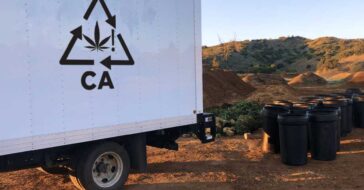
Proper disposal is necessary to prevent environmental harm and ensure compliance with regulations. Cannabis waste disposal companies are equipped to handle large volumes of organic waste, ensuring that it is disposed of in an environmentally friendly manner.
The use of pesticides, fertilizers and cleaning agents results in chemical waste that needs to be managed carefully to prevent environmental contamination. Cannabis waste disposal services are well-versed in the regulations governing the disposal of hazardous materials. They offer safe and compliant disposal methods, including partnering with hazardous waste facilities.
Beyond waste management, cannabis waste disposal services can help your business:
- Stay on top of regulations. Cannabis waste disposal companies are well-informed about these regulations and can help growers stay compliant. By partnering with these services, growers receive guidance on proper waste-handling practices and updates on regulatory changes.
- Manage documenting and reporting requirements. Cannabis waste disposal companies should provide detailed documentation and reporting for the waste they handle. This documentation can be used to demonstrate adherence to waste management regulations during inspections and audits. Accurate record-keeping helps growers maintain transparency and accountability in their operations.
- Achieve environmental sustainability goals. Cannabis waste disposal companies can help growers achieve their sustainability goals by providing guidance on best practices for waste reduction, recycling and safe disposal, minimizing the environmental impact of cannabis cultivation.
- Take advantage of cost-effective solutions: Outsourcing waste management allows growers to reduce operational costs and allocate resources more effectively toward improving their cultivation practices and expanding their business.
Whether you’re new to growing cannabis or consider yourself among experienced growers, leveraging the expertise and services of cannabis waste disposal companies can help your business thrive. Through this partnership, indoor cannabis growers can address critical challenges in waste management, regulatory compliance and environmental sustainability. These partnerships enable growers to focus on producing high-quality cannabis while ensuring their operations remain compliant and eco-friendly.