Cannabinoid testing plays a critical role in today’s legal cannabis industry. Beyond simply listing THC or CBD percentages on a label, accurate testing impacts consumer safety, regulatory compliance, brand credibility, and financial performance. For cannabis businesses operating in a tightly regulated environment, cannabinoid testing is not optional — it is foundational to responsible operations and long-term success.
Understanding why cannabinoid testing matters, how it affects different segments of the industry, and what happens when products fail testing can help businesses reduce risk and make informed decisions, including how to manage cannabis waste when products can’t legally be sold.
What Are Cannabinoids and Why Do They Matter?
Cannabinoids are naturally occurring chemical compounds found in the cannabis plant. The most well-known cannabinoids include THC (tetrahydrocannabinol) and CBD (cannabidiol), but there are dozens of others, such as CBG, CBN, and CBC, each contributing to a product’s effects, therapeutic potential, and market appeal.
For consumers, cannabinoids determine:
- Potency and psychoactive effects
- Therapeutic benefits
- Dosage expectations
- Overall product experience
For businesses, cannabinoids define how products are classified, marketed, priced, and regulated.
Cannabinoid Testing and Regulatory Compliance
In legal cannabis markets, cannabinoid testing is required by state regulatory agencies before products can be sold. Testing verifies that cannabinoid levels fall within legal thresholds and that labeling accurately reflects what’s inside the package.
For example:
- Products exceeding THC limits may not be eligible for certain markets
- Inaccurate labeling can result in recalls or enforcement actions
- Failure to test can lead to license violations or shutdowns
Testing ensures cannabis businesses meet compliance standards designed to protect consumers and maintain market integrity. Regulators rely on lab results to ensure consistency, transparency, and accountability throughout the supply chain.
Consumer Safety and Trust
Accurate cannabinoid testing helps consumers make informed choices. Whether a customer is seeking relief from pain, anxiety, or insomnia — or simply wants a predictable recreational experience — reliable potency information is essential.
From a business standpoint, transparency builds trust. Products that consistently test accurately are more likely to generate repeat customers and positive brand reputation. Conversely, inconsistent or misleading cannabinoid claims can erode trust quickly and damage a brand’s standing in a competitive market.
Quality Control and Product Consistency
Cannabis businesses depend on testing to maintain consistency across batches. Variations in growing conditions, genetics, harvesting time, and processing methods can all influence cannabinoid content.
Regular testing allows businesses to:
- Fine-tune cultivation practices
- Adjust extraction or infusion processes
- Maintain consistent potency across product lines
- Identify problems early in production
For manufacturers, especially those producing edibles, concentrates, or topicals, cannabinoid testing ensures proper dosing and uniformity — critical factors for both safety and compliance.
Financial Implications of Cannabinoid Testing
Cannabinoid testing directly impacts a company’s bottom line. Products that test accurately and meet regulatory standards move smoothly through the supply chain. Products that fail testing, however, can result in costly delays or complete loss.
Common testing-related financial risks include:
- Failed potency tests requiring product destruction
- Relabeling costs for inaccurate cannabinoid levels
- Inventory write-offs
- Missed market windows
Testing is an investment in risk mitigation. By catching issues early, businesses can reduce the likelihood of large-scale losses later.
What Happens When Cannabis Products Fail Testing?
Not all products pass cannabinoid testing. Sometimes potency levels are too high or too low. In other cases, results may vary from what was declared during pre-testing or internal quality checks.
When a product fails testing, options are limited and highly regulated. Depending on state laws, a business may be required to:
- Quarantine the product
- Attempt remediation or reprocessing (if allowed)
- Relabel, if permissible
- Destroy the product entirely
In many cases, especially for finished goods or flower, destruction is the only compliant option.
The Role of Cannabis Waste Management in Testing Failures
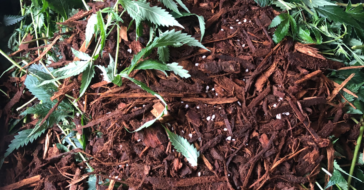
Failed cannabinoid tests often lead directly to cannabis waste. Unsellable flower, concentrates, edibles, or infused products must be handled and disposed of according to strict regulatory requirements.
Improper disposal of cannabis waste can create serious problems, including:
- Regulatory penalties
- Chain-of-custody violations
- Risk of product diversion
- Environmental concerns
Licensed cannabis waste services help businesses manage failed products responsibly by ensuring they are rendered unusable and unrecognizable, destroyed securely, and documented properly. Certificates of destruction and compliant tracking records protect businesses during audits and inspections.
For companies dealing with recurring testing failures, a waste management partner can also help identify patterns and support broader compliance strategies.
Testing as Part of a Comprehensive Risk Management Plan
Cannabinoid testing should be viewed as one piece of a larger operational strategy. Businesses that integrate testing, quality control, and waste management into a cohesive plan are better positioned to handle setbacks without disrupting operations.
This includes:
- Testing early and often
- Maintaining accurate records
- Establishing protocols for failed products
- Partnering with compliant waste disposal services
- Training staff on handling and documenting cannabis waste
By planning for the possibility of testing failures, businesses can respond quickly and confidently when issues arise.
Building a Sustainable and Compliant Cannabis Operation
As cannabis regulations evolve, scrutiny around testing and waste management continues to increase. Businesses that prioritize accurate cannabinoid testing not only protect consumers but also safeguard their licenses, reputation, and long-term viability.
When products don’t meet standards, responsible cannabis waste disposal becomes a critical final step in maintaining compliance. By working with experienced testing laboratories and licensed waste management providers, cannabis businesses can operate with confidence, knowing they are meeting regulatory expectations at every stage of the product lifecycle.